Former Japan PM Shinzo Abe fatally shot in shock Japan attack
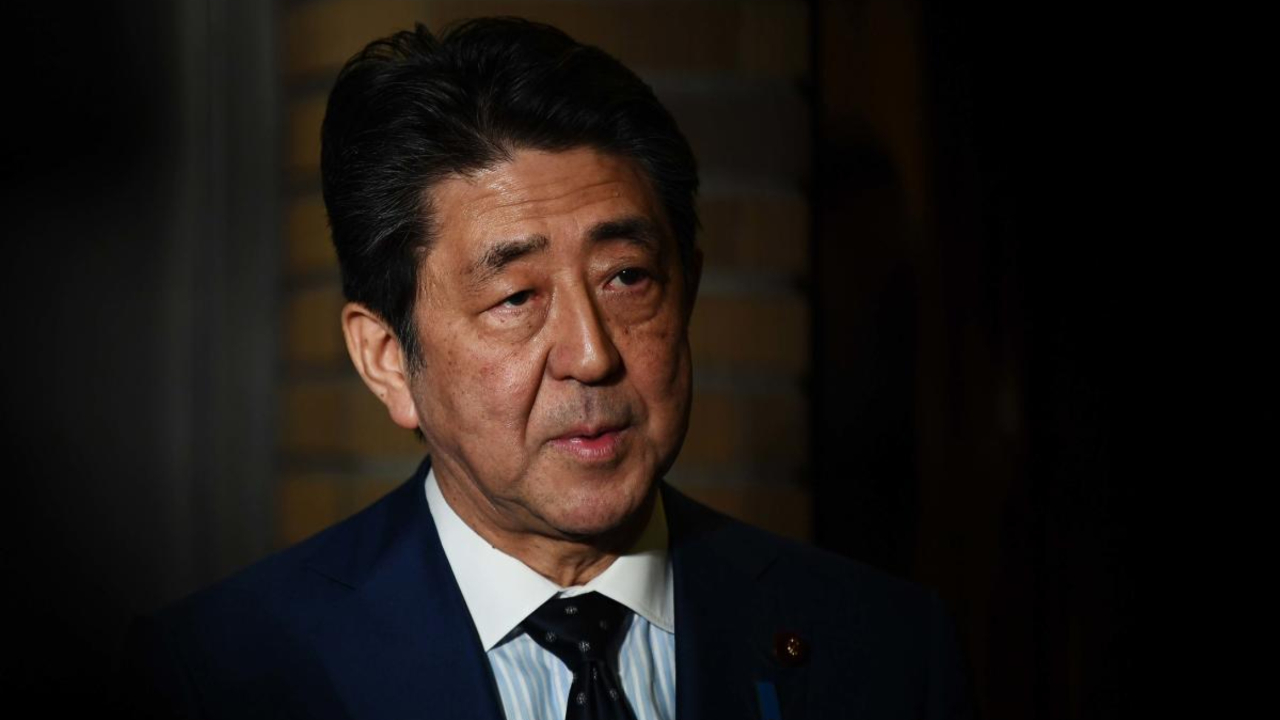
Nara (Japan), Jul 8: Japan's NHK television says former Prime Minister Shinzo Abe has passed away after being shot during a campaign speech.
Abe was shot from behind minutes after he started his speech Friday in Nara in western Japan. He was airlifted to a hospital for emergency treatment but was not breathing and his heart had stopped. He was pronounced dead later at the hospital.
The 67-year-old Abe was Japan's longest-serving leader before stepping down for health reasons in 2020.
Police arrested the suspected gunman at the scene of the attack, which shocked people in a country known as one of the world's safest.
Let the Truth be known. If you read VB and like VB, please be a VB Supporter and Help us deliver the Truth to one and all.
3 women die after giant tree falls on them in Odisha’s Koraput
Koraput (PTI): Three women died and another was injured after a giant tree fell on them following thunderstorms in Odisha’s Koraput district, police said on Tuesday.
The incident took place on Monday evening when they were in a market at Pedabayalu in Nandapur block near the Andhra-Odisha border.
The tree was uprooted due to strong winds amid rain and thunderstorms, a police officer said.
Two women died on the spot and another in hospital, he said.
Nandapur BDO Durga Prasad Dora and MLA Rama Chandra Kadam visited the spot, and assured the victims’ families of government support.