Former Sri Lankan prez Mahinda Rajapaksa becomes new Prime Minister amid political drama
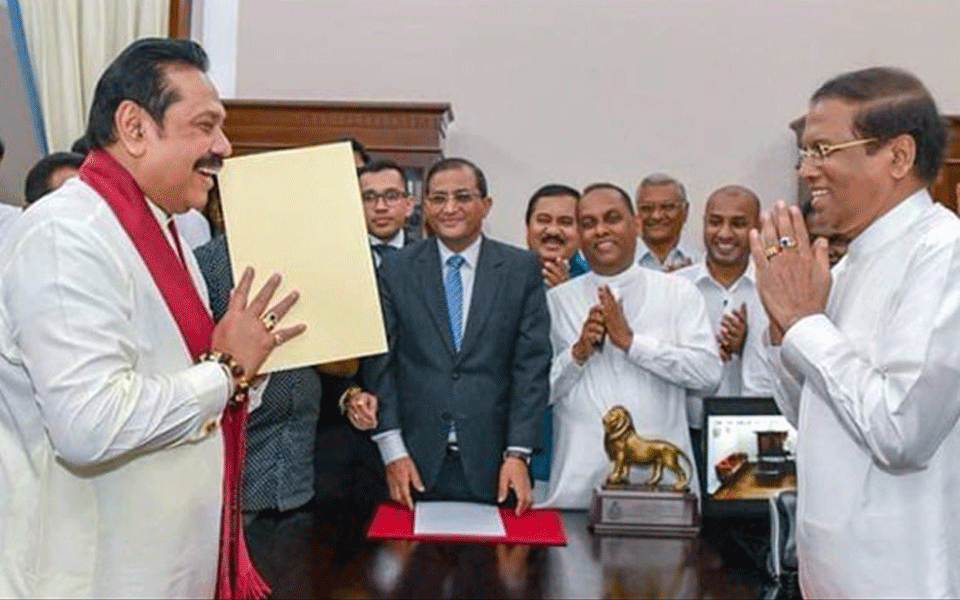
Colombo, Oct 26: In a dramatic political development in Sri Lanka, former strongman Mahinda Rajapaksa was on Friday sworn in as the new Prime Minister by President Maithripala Sirisena after his party abruptly quit the ruling coalition.
Visuals of the former president Rajapaksa taking oath as the premier were released to media and was shown on TV channels.
The sudden development came after Sirisena's broader political front United People's Freedom Alliance (UPFA) announced that it has decided to quit the current unity government with prime minister Ranil Wickremesinghe's United National Party (UNP).
Mahinda Amaraweera, agriculture minister and the general secretary of the UPFA, told reporters that the UPFA decision has been conveyed to Parliament.
The unity government was formed in 2015 when Sirisena was elected President with Wickremesinghe's support, ending a nearly decade-long rule by Rajapaksa.
Sirisena, who was Rajapaksa's minister of health, broke away from him to contest the presidential elections.
Political analysts said Sirisena's move to install Rajapaksa as the prime minister could lead to a constitutional crisis as the 19th amendment to the Constitution would not allow the sacking of Wickremesinghe as the premier without a majority.
Rajapaksa and Sirisena combine has only 95 seats and is short of a simple majority. Wickremesinghe's UNP has 106 seats on its own with just seven short of the majority.
There was no immediate comment from Wickremesinghe or the UNP.
President Sirisena's party withdrew from the ruling coalition after simmering tensions between him and Wickremesinghe.
The unity government was thrown into a crisis after Rajapaksa's new party pulled off a stunning victory in local elections in February seen as a referendum on the ruling alliance.
Last week, it was reported that Sirisena accused his senior coalition partner the UNP of not taking seriously an alleged conspiracy to assassinate him and Gotabhaya Rajapaksa, the former top defence ministry bureaucrat and brother of ex-president Mahinda Rajapaksa.
Let the Truth be known. If you read VB and like VB, please be a VB Supporter and Help us deliver the Truth to one and all.
Remarks against St Francis Xavier: Right-wing speaker Gautam Khattar gets bail
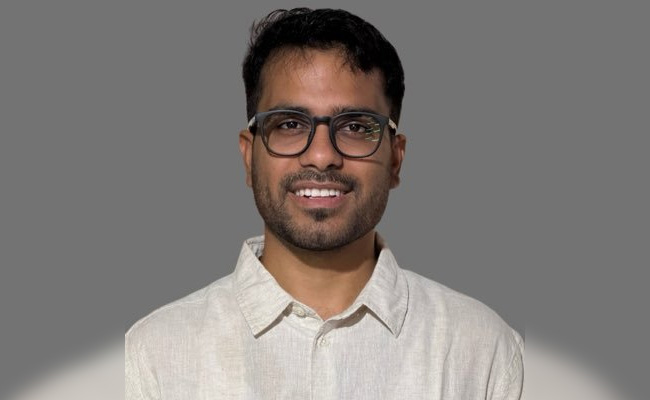
Panaji (PTI): A court in Goa on Saturday granted bail to right-wing speaker Gautam Khattar, who was arrested after he allegedly made derogatory comments against St Francis Xavier.
Judicial Magistrate First Class, Vasco, granted regular bail to Khattar, currently admitted to Goa Medical College and Hospital at Bambolim for treatment of chest pain after he was shifted from the District Hospital in Mapusa two days back.
A row erupted after a video of remarks by Khattar, the founder of Sanatan Mahasangh, at an event on April 18 in the presence of Swami Brahmeshanand, State Transport Minister Mauvin Godinho and BJP MLAs Sankulp Amonkar and Daji (Krishna) Salkar, went viral.
St Francis Xavier is revered as the patron saint of Goa.
The controversial remarks led to the Vasco Police registering an FIR against Khattar on charges of hurting religious sentiments and creating enmity between groups.
He was detained in Kullu, Himachal Pradesh, by local police. His custody was later handed over to the Goa Crime Branch, according to officials.