Gasoline truck explodes in northern Haiti; over 40 killed: Report

Port-Au-Princ (Haiti), Dec 14: A truck carrying gasoline exploded in northern Haiti, killing more than 40 people and injuring dozens of others, officials and news reports said Tuesday.
The blast occurred late Monday in the city of Cap-Haitien, Prime Minister Ariel Henry said, adding that he was devastated.
No further details were immediately available. Police didn't immediately return calls requesting information.
Le Nouvelliste newspaper reported that dozens have been hospitalized with injuries and that hospitals were seeking supplies.
We are overwhelmed, a person identified as Dr. Calhil Turenne told the paper.
Dave Larose, a civil engineer who works in Cap-Haitien, told The Associated Press that he was driving when he saw ambulances and a crowd of people gathered along a road around 1 a.m.
He said he observed how some people were using buckets to scoop up gasoline from the truck and the street to take back to their house. The explosion occurred as Haiti struggles with a severe shortage of fuel and spiraling gas prices.
It's terrible what our country has to go through Larose said.
Former Prime Minister Claude Joseph also mourned the victims, tweeting, I share the pain and sorrow of all the people."
Let the Truth be known. If you read VB and like VB, please be a VB Supporter and Help us deliver the Truth to one and all.
Lungi Ngidi fit to play against CSK
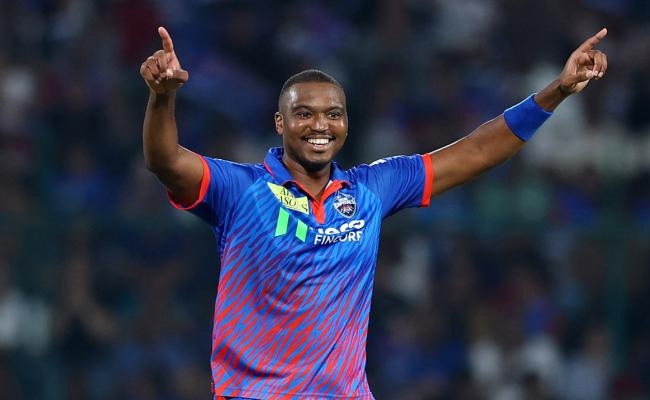
New Delhi (PTI): Delhi Capitals bowling coach Munaf Patel on Monday said Lungi Ngidi is set to return to action after recovering from the head injury he suffered in a home game against Punjab Kings on April 25.
Ngidi was stretchered off the field and rushed to a hospital after falling on his head while attempting a catch. The injury led to the South African pacer missing two games.
"Everyone is fit. Lungi is fit. He didn't play two games because of the criterion of six days' rest," said Munaf ahead of the game against Chennai Super Kings.
The bowling attack will be bolstered with the return of Ngidi. Mitchell Starc has also joined the team and made an instant impact in his first appearance of the season against Rajasthan Royals.
Against Punjab Kings, Delhi Capitals were not able to defend 264 conceding a record run chase.
Starc's presence is bound to make a difference, said Munaf.
"When there is a wicket-taking bowler in the PowerPlay, the whole scenario changes. 220 or 230 is being chased because you are not able to take wickets in the PowerPlay.
"When the main bowler is there and takes a few wickets in the PowerPlay, it makes a big difference. Bowling in partnerships was missing, but that has been added now," said Munaf.
On David Miller missing out from the playing eleven in the last game, Munaf added: "You can only fit in four foreigners in the XI. Sahil was injured, so we needed an opener and we thought of giving Pathum another chance. We had to play two overseas fast bowlers. So only one between Pathum and Miller could play. We went with Pathum because an opener was required."