Global death toll from COVID-19 passes 400,000
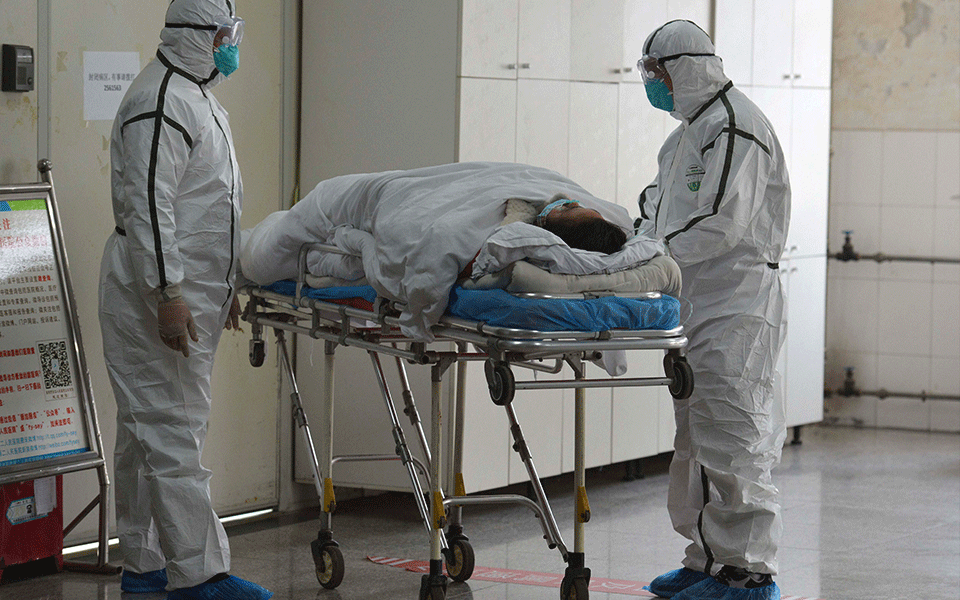
London: The worldwide death toll from COVID-19 has surpassed 400,000, according to a tally by Johns Hopkins University that health experts say is still an undercount because many who died were not tested for the virus.
The milestone was reached Sunday, a day after the Brazilian government stopped publishing a running total of coronavirus deaths and infections. Critics called the move an extraordinary attempt to hide the true toll of the disease rampaging through Latin America's largest nation.
Brazil's last official numbers recorded over 34,000 virus-related deaths, the third-highest toll in the world behind the US and Britain.
Worldwide, at least 6.9 million people have been infected by the virus, according to Johns Hopkins. The US has seen nearly 110,000 confirmed virus-related deaths and Europe has recorded over 175,000 since the virus emerged in China late last year. (AP)
Let the Truth be known. If you read VB and like VB, please be a VB Supporter and Help us deliver the Truth to one and all.
UP Cong chief Ajay Rai hospitalised after fainting, stable
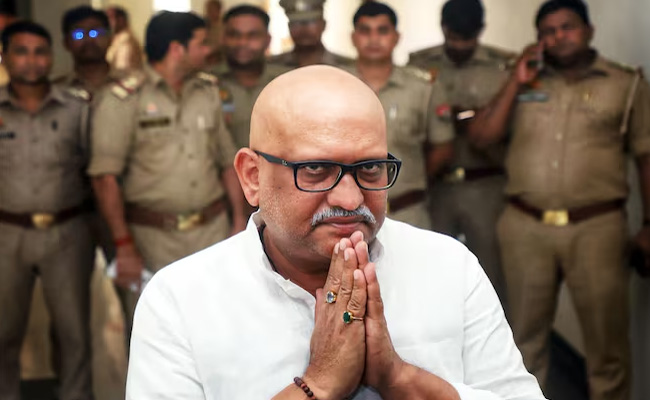
Lucknow (PTI): Uttar Pradesh Congress president Ajay Rai was hospitalised here after he fell unconscious due to low sodium levels, party leaders said on Saturday.
They said he was admitted to Medanta Hospital on Friday evening and is stable.
"Ajay Rai was admitted to Medanta Hospital in Lucknow at around 6 pm on Friday after he fell unconscious as his sodium levels had dropped. He fell unconscious at his residence in Lucknow. For the entire day, he was engaged in party programmes and had also gone to the airport," Uttar Pradesh Congress spokesperson Anshu Awasthi told PTI.
Congress in-charge of Uttar Pradesh Avinash Pande told PTI, "Now, he (Ajay Rai) is stable and I am also reaching Lucknow."
Medanta Hospital Director Dr Rakesh Kapoor told PTI that Rai collapsed at his home on Friday evening and was subsequently admitted to the hospital's emergency ward.
Medical examinations revealed that Rai was suffering from a sodium deficiency and elevated blood pressure. Doctors administered immediate treatment and he is doing significantly better now, Kapoor said.
A team of doctors is monitoring his health. Rai is conversing with others and his condition is stable, he added.
In a post on X late Friday night, Prime Minister Narendra Modi wished Rai a speedy recovery.
Rai hails from Varanasi and had contested the 2024 Lok Sabha elections against Modi from the parliamentary constituency. The Congress appointed him as the Uttar Pradesh unit chief in 2023.