Grieving wife of Sri Lankan national lynched in Pakistan pleads for justice
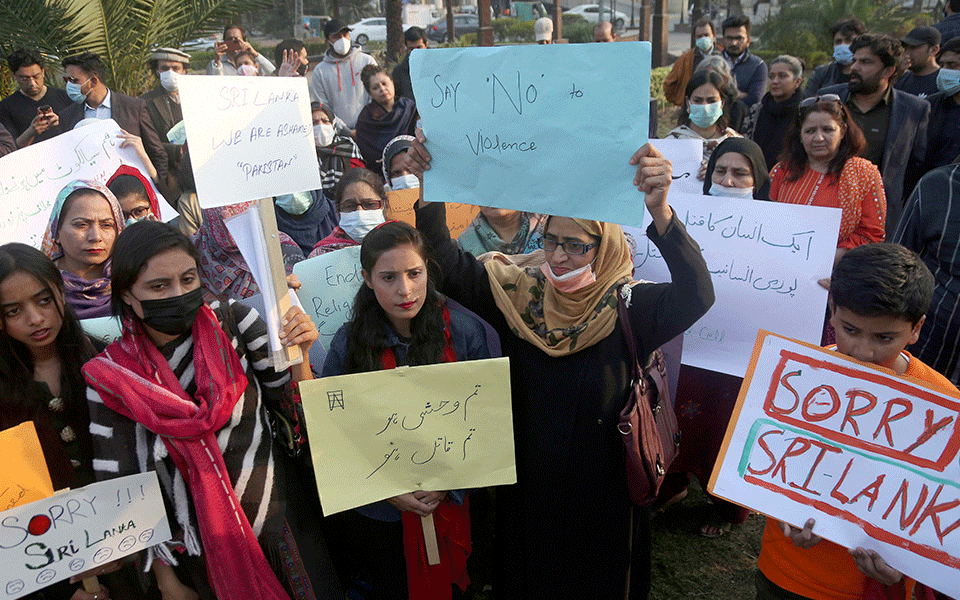
Colombo(PTI): The grieving wife Sri Lankan national Priyantha Kumara Diyawadana, who was lynched over allegations of blasphemy in Pakistan, has pleaded for justice from both the Pakistani and Sri Lankan governments, saying her husband was a very innocent man.
In a shocking incident on Friday, angry supporters of the Tehreek-e-Labbaik Pakistan (TLP) attacked a garment factory and lynched its general manager Diyawadana before setting his body on fire over allegations of blasphemy.
As pressure mounted on the Pakistani government to bring the guilty to justice, over 800 people have been booked under terrorism charges while 13 prime suspects are among 118 arrested so far in the horrific lynching of the Sri Lankan national in Punjab province.
I got to know about the brutal murder of my husband from the news, later I saw this on the internet as well. He was a very innocent man, she was quoted as saying by BBC Sinhala.
I request leaders of Sri Lanka and Pakistan to do justice for my husband and two children, by bringing the perpetrators to justice, she said.
Sri Lanka's NewsWire website reported that Ministers Namal Rajapaksa and Prasanna Ranatunga on Saturday visited the residence of Diyawadana in Ganemulla, about 22 kms from here.
Diyawadana, a graduate from the University of Peradeniya, is survived by his wife and two children.
He left for Pakistan for employment in 2010 and has been working as the manager of the Sialkot factory since 2012.
Meanwhile, Sri Lankan High Commissioner in Pakistan Vice Admiral Mohan Wijewickrama said that arrangements are being made to transport the mortal remains of Diyawadana on Monday from Lahore to Colombo in a special flight, the NewsWire reported.
Diyawadana, who was in his 40s, was working as the general manager in the Rajko industries (dealing in garments sportswear) in Sialkot district, some 100 kilometres from Lahore.
Sri Lankan Parliament and Prime Minister Mahinda Rajapaksa on Saturday condemned the lynching and hoped that Prime Minister Imran Khan will keep his commitment to bring all those involved to justice and ensure the safety of the rest of the island nation's expat workers.
A mob of over 800 men gathered at the factory at 10 am Friday on reports that Kumara had torn a sticker/poster (inscribed with Islamic verses) and committed blasphemy. They looked out for him and found him (from the rooftop). They dragged him, beat him severely and by 11.28 am he was dead and the body was set on fire by the violent mob, Inspector General of Police (Punjab) Rao Sardar Ali Khan said.
The mob after burning the body of the Sri Lankan national had blocked the Wazirabad road. Police from different stations reached there to control the situation, he said.
The incident sparked widespread condemnation from all walks of life. Police were also chided for reaching the crime scene after the incident. Only a couple of policemen can be seen in one video asking the people to stay back while the body was burning.
In April 2017, an angry mob lynched university student Mashal Khan when he was accused of posting blasphemous content online.
A Christian couple was lynched and then set ablaze in a kiln in Punjab in 2014 after being accused of desecrating the Quran.
Let the Truth be known. If you read VB and like VB, please be a VB Supporter and Help us deliver the Truth to one and all.
Sengottaiyan secures historic 10th victory in Gobichettipalayam assembly constituency
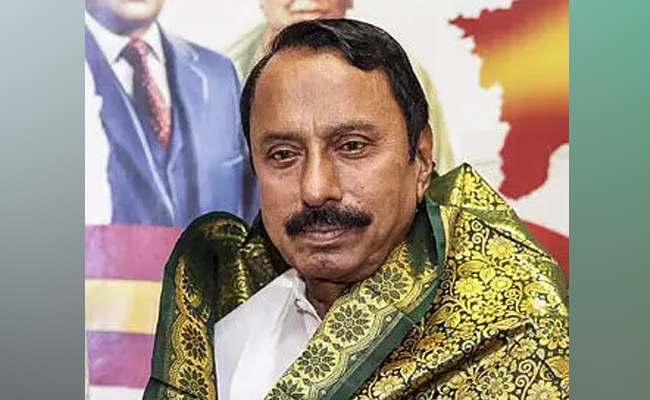
Gobichettipalayam (Tamil Nadu) (PTI): In a historic 10th win, veteran leader K A Sengottaiyan clinched the Gobichettipalayam seat in the 2026 Assembly elections.
Contesting for the first time under actor Vijay’s TVK, the 78-year-old secured approximately 71,380 votes, defeating DMK’s N Nallasivam by a margin of nearly 13,000 votes.
This win marks Sengottaiyan’s 10th consecutive victory in the constituency, cementing his status as an immovable force in the region despite his high-profile exit from the AIADMK in late 2025.
His success was a cornerstone for the TVK, which emerged as a formidable force across the state. Supporters celebrated the win as a testament to Sengottaiyan’s personal influence, which successfully transitioned from his former Dravidian home to the newly formed TVK.