Haitian PM resigns after fuel-price hikes triggered riots
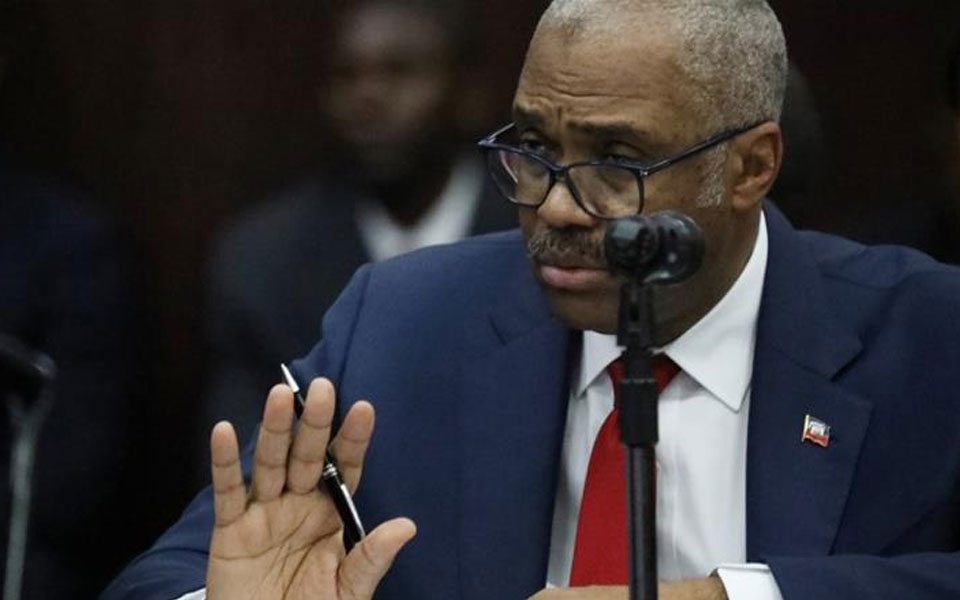
Port-au-Prince, July 15 : Haitian Prime Minister Jack Guy Lafontant resigned on Saturday during a session in the lower house of the Parliament in which he was to have faced a no-confidence vote.
The session was held after violent protests erupted last weekend over fuel-price hikes, which the government later scrapped, Efe reported.
Once the Prime Minister's resignation was announced, the speaker of the lower house, Gary Bodeau, posted a message on Twitter asking President Jovenel Moise "to choose a Prime Minister by general consent, bearing in mind the hopes of all sectors of national life."
Saturday morning, before the session got underway, Bodeau had already expressed in a statement his wish that Lafontant would resign "for the good of the country".
Because of the parliamentary session, which has sparked great expectations, and following the disturbances last weekend, the authorities deployed a strong police presence around the Haitian capital, especially outside the Parliament, the target of another protest called by the opposition.
The Prime Minister's performance has been questioned for some time, and a few days before the violence broke out he was called by legislators to discuss where he was taking his government. He never showed up for that session.
Following the riots, sectors of the opposition, the local business class and even the ruling party demanded Lafontant's resignation.
Last July 6, the government announced an increase of between 37 and 50 per cent on the price of fuel in this impoverished country, where over half the population lives on less than $2 a day.
The price hike of fuel including kerosene, widely used to light the homes of Haitians with little purchasing power, sparked violent protests in the streets, in which several people were killed.
The situation forced the government to drop the price increase the very next day. It had been the result of an accord signed with the International Monetary Fund (IMF), which this week proposed the gradual elimination of the subsidies on these products, since such aid basically benefits the wealthy.
Meanwhile, the UN Security Council has condemned the violence unleashed over the past few days in Haiti and called on all parties to remain calm and practice restraint.
Let the Truth be known. If you read VB and like VB, please be a VB Supporter and Help us deliver the Truth to one and all.
Over 1 lakh students appear for NEET across TN
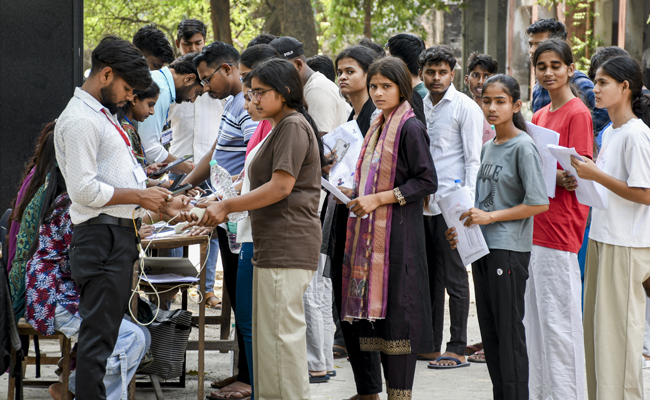
Chennai (PTI): About 1.4 lakh students appeared for the NEET 2026 exam for admission to medical degree courses across 31 centres in Tamil Nadu on Sunday.
Students claimed that the exam paper was easier than the previous year.
Organised by the National Testing Agency (NTA), 22.80 lakh students had registered for the National Eligibility cum Entrance Test (NEET) undergraduate exam nationwide.
NTA sources said that CCTV surveillance was installed at all examination centres, with feeds linked to centralised control rooms.
In view of the large candidate volume and prevailing summer conditions, the NTA ensured reliable power back-up, including generators at all centres, to ensure candidate comfort during the exam. Also, drinking water and on-site medical support were provided to students.
The sources further said that no malpractices were reported, especially in Chennai. The results of NEET are expected to be declared in June, 2026.