High levels of lead found in cinnamon powder, spice blends of 12 brands in US: Report
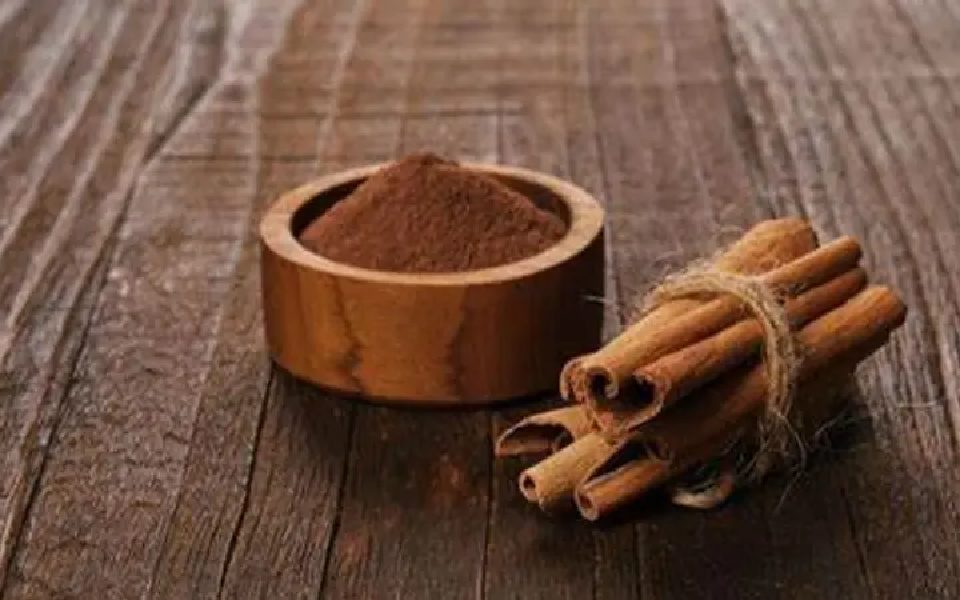
New York: An analysis by Consumer Reports has revealed concerning levels of lead in a variety of cinnamon powders and multi-spice blends sold in the United States. The investigation, which tested 36 different products, found that 12 brands exceeded the lead safety threshold of 1 part per million (ppm) established by New York, the only state currently regulating heavy metals in spices in the U.S.
Consumer Reports, a non-profit organisation, identified high lead levels in several cinnamon powder and multi-spice products from 12 brands, including Paras, EGN, Mimi's Products, Bowl and Basket, Rani Brand, Zara Foods, Three Rivers, Yu Yee Brand, BaiLiFeng, Spicy King, Badia, and Deep.
The brand Paras exhibited the highest lead content in cinnamon powder at 3.52 ppm, followed by EGN at 2.91 ppm, Mimi’s Products ground cinnamon at 2.03 ppm, Bowl and Basket ground cinnamon at 1.82 ppm, Rani ground cinnamon at 1.39 ppm, Zara Foods cinnamon powder at 1.27 ppm, Three Rivers cinnamon stick powder at 1.26 ppm, Yu Yee Brand five spice powder at 1.25 ppm, BaiLiFeng five spice powder at 1.15 ppm, Spicy King five spices powder at 1.05 ppm, Badia cinnamon powder at 1.03 ppm, and Deep cinnamon powder at 1.02 ppm, as mentioned by Times of India on Wednesday.
James Rogers, the director of food safety research and testing at Consumer Reports, highlighted health risks linked to lead exposure, pointing out that even small amounts of the mentioned cinnamon products can accumulate in the body over time, leading to serious health concerns.
The report, which was published last month, advised consumers not to solely rely on labels such as "organic" or the source of the cinnamon, and recommended avoiding unfamiliar brands.
According to the World Health Organisation (WHO), lead exposure can lead to severe developmental issues in children and long-term health problems in adults, including increased blood pressure and kidney damage. Additionally, high levels of lead exposure in pregnant women can cause miscarriage, stillbirth, premature birth, and low birth weight.
Let the Truth be known. If you read VB and like VB, please be a VB Supporter and Help us deliver the Truth to one and all.
Man arrested with Rs 2.54-crore heroin in Mumbai

Mumbai (PTI): Police have arrested a man and seized over 500 grams of heroin worth Rs 2.54 crore in the illicit market from him in Mumbai, officials said on Friday.
The police's Anti-Narcotics Cell (ANC) made the drug seizure in Santacruz in the western suburbs. The operation was conducted by the Kandivali unit of the ANC on Thursday as part of a special crackdown against drug trafficking in the area, they said.
Acting on specific inputs, an ANC team conducted a raid in Santacruz (East) and intercepted a man. During a search, the team recovered 508 grams of high-grade heroin from his possession, an official said.
The seized contraband, a highly addictive, opioid drug derived from morphine, is estimated to be worth Rs 2.54 crore in the international market, he informed.
Following the seizure, a case was registered against the man under relevant sections of the Narcotic Drugs and Psychotropic Substances (NDPS) Act, 1985, and he was formally placed under arrest in the early hours of Friday.
The police are currently investigating the source of the drug and trying to identify the intended recipients of the consignment, he said.