Imran Khan Wins Pak Polls, Say Official Results, Needs Coalition
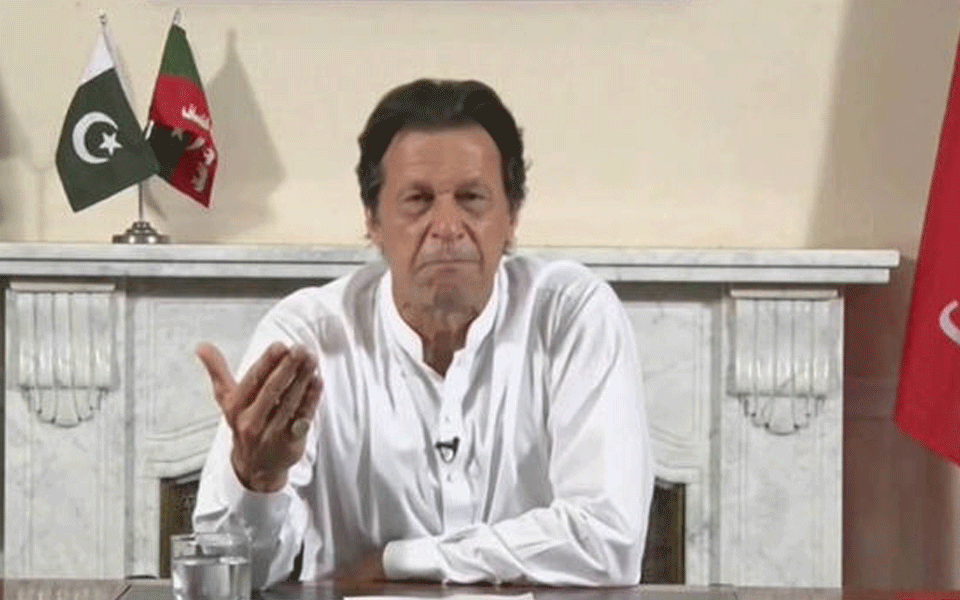
NEW DELHI, July 27: The official results of the Pakistan general elections have given victory to cricketer-turned-politician Imran Khan's party Tehreek-e-Insaf or PTI, according to reports. Mr Khan will, however, need to stitch an alliance to form a coalition government.
Provisional results released by the Election Commission of Pakistan today morning showed PTI had won 110 seats out of the 251 races where counting had ended. The National Assembly has 272 seats in total and the halfway mark is 137 for a simple majority.
Mr Khan's direct rival and jailed former Prime Minister Nawaz Sharif's party PML-N won 63 seats.
The left-of-centre Pakistan People's Party or PPP led by Bilawal Bhutto, son of assassinated leader Benazir Bhutto, won 42 seats.
Results from 21 seats are still being counted, reports said.
Although Imran Khan appeared likely to fall short of the 137 seats needed for a majority in the National Assembly, his better-than-expected results mean he should have no problems forming a government with a handful of small coalition partners.
During a presidential style address on Thursday night, Imran Khan offered to investigate opposition claims of rigging and vowed to improve relations with India and Afghanistan, while calling for "mutually beneficial" ties with the US.

Pakistan election results: Nawaz Sharif's party PML-N and others have accused the military of rigging the elections (Reuters)
The allegations of rigging in Wednesday's election follow a bitter campaign in which Pakistan's powerful military was accused of tilting the race in favour of Mr Khan, and trying to erase democratic gains made since the last military regime ended in 2008.
"(PML-N) would play the role of a strong opposition," said Shehbaz Sharif, the PML-N president and brother of Nawaz Sharif, according to the English-language Dawn newspaper.
Imran Khan's party also appears to have succeeded in wresting control of the local assembly in Pakistan's biggest province, Punjab, from the Sharifs, according to the official but incomplete results. Punjab is home to more than half of Pakistan's 208 million people and had been the power base of the Sharif family for more than three decades.
India is closely monitoring the political situation in Pakistan. A nationalist party at the helm will affect the security of the people in Jammu and Kashmir as well as the rest of India in view of Pakistan's tacit support to terror. In his address on Thursday night, Imran Khan indicated he would be open to talks with India on Kashmir. "The biggest dispute between us is about Kashmir. We need to talk about Kashmir... We're still on Square 1. India sees Baluchistan, we see Kashmir... this blame game has to stop. We are ready to take two steps forward if you take one," he said.
In a tweet, Jammu and Kashmir's PDP leader Mehbooba Mufti congratulated Imran Khan.
Mr Khan's success in the elections is a stunning rise for someone who has spent much of his political career on the fringes of Pakistan politics. In his speech peppered with populist pledges, Mr Khan promised to create jobs for the poor and said he would turn the palatial prime minister's official residence in the capital into an education facility, instead of living in it.
Congratulations to @ImranKhanPTI on his victory. His hard work and tenacity won the day.
— Mehbooba Mufti (@MehboobaMufti) July 27, 2018
Courtesy: www.ndtv.com
Let the Truth be known. If you read VB and like VB, please be a VB Supporter and Help us deliver the Truth to one and all.
Tumakuru: Dalit family allegedly prevented from entering temple; accused arrested
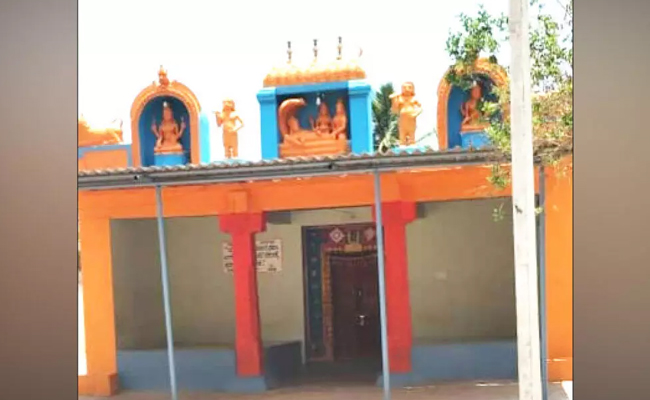
Tumakuru: Police in Turuvekere have arrested a 65-year-old man for allegedly obstructing a Dalit family from entering a temple and making caste-based remarks, officials said on Saturday.
The accused, identified as Rajanna, has been booked under provisions of the Scheduled Castes and Scheduled Tribes (Prevention of Atrocities) Act based on a complaint filed by Rangaramu T. of Thuyalahalli village.
According to the FIR, the incident took place on April 18 around 5:30 pm when Rangaramu T. and his family visited the Sri Ranganathaswamy temple in Mallur village to offer prayers. It states that the accused allegedly objected to their entry and made remarks referring to caste hierarchy and questioning their presence inside the temple premises.
The FIR further states that the accused made additional remarks asserting that such entry into the temple was not permitted and asked the family to leave. It also mentions that the complainant was subjected to mental harassment through these statements.
Following the complaint, DySP Om Prakash Gowda along with revenue officials and police visited the spot and conducted an inspection.
Further investigation is underway.