India-born Pakistani poet Fahmida Riaz passes away
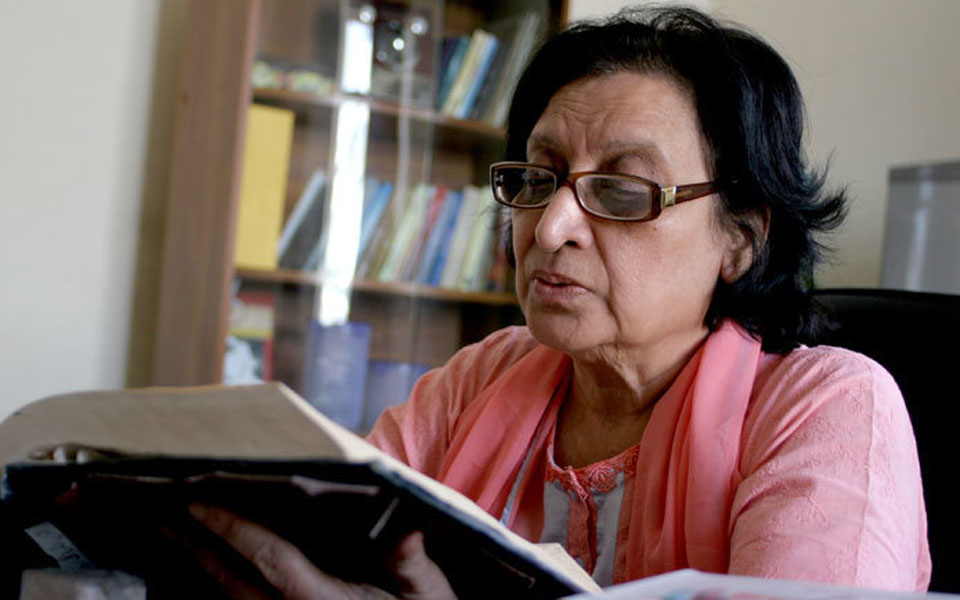
Lahore, Nov 22 : Noted India-born Pakistani poet and human rights activist Fahmida Riaz has passed away following a prolonged illness at the age of 73 here, media reports said.
Riaz, who fled Pakistan during former military dictator Gen Zia-ul-Haq's rule and lived in self exile in India for nearly seven years, had been unwell for the past few months.
Born into a literary family of Meerut in Uttar Pradesh in July, 1945 and settled in Hyderabad following her father's transfer to Sindh province, always raised her voice for women rights and democracy in Pakistan, The News International reported.
Riaz, a well-known progressive Urdu writer, poet, human rights activist and feminist, worked with Radio Pakistan and BBC Urdu service (Radio), the report said.
Her Urdu publication Awaz grabbed the attention of Zia for its liberal and politically-charged content after which she and her second husband were charged with various cases and the magazine was shut down, it said.
After her husband was arrested, she fled to India with her two children and sister, and got asylum. Her children went to school in India. Her husband later joined her in India after his release from jail, it said.
The family spent almost seven years in exile in India before returning to Pakistan after Zia's death, the report said.
Riaz had been a poet in residence for Jamia Millia Islamia University in New Delhi. She was a prominent voice in the feminist struggle in Pakistan, the report added.
Let the Truth be known. If you read VB and like VB, please be a VB Supporter and Help us deliver the Truth to one and all.
Brothers awaiting board exam results drown in canal
Erode (Tamil Nadu) (PTI): Minor brothers who were awaiting their board exam results have drowned in a canal in this district while spending their Summer holidays at their aunt's place, police said.
According to Arachalure Police, Santhosh, aged 17, and his younger brother Sanjai, aged 15, natives of Musiri village in Tiruchirapalli district, came to Gopaliparai hamlet near Arachalure to their Aunt's house a couple of days ago after writing their annual 12th and 10th examinations, respectively.
The police said on Friday that both boys went to the nearby Lower Bhavani Project canal to take a bath. It was alleged that while taking a bath, both boys went to a deeper area of the canal and went missing.
As they didn't return home, even two hours after they left, their aunt grew suspicious and informed the Fire and Rescue Services, Chennimalai. A rescue team from the department rushed to the spot. After a few minutes of searching, they located the dead bodies of the brothers and sent them to the hospital. Arachalure police registered a case of death due to drowning and are investigating.