India has cut water flow through Baglihar dam after Indus Treaty suspension: Source
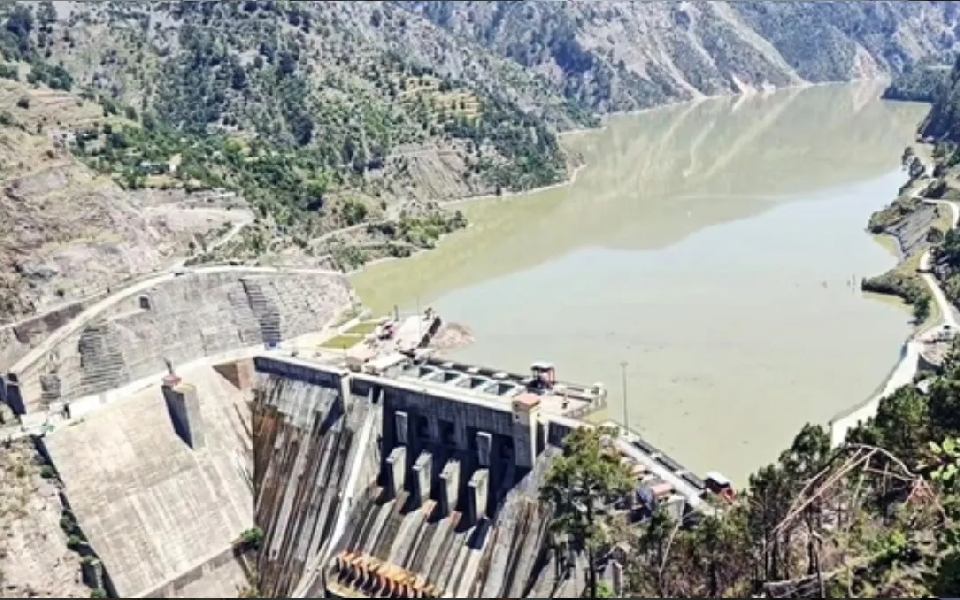
New Delhi, May 4 (PTI): India has stanched the flow of water through the Baglihar Dam on the Chenab River and is planning similar measures at the Kishanganga Dam on the Jhelum River, a source said.
The source familiar with the matter said these hydroelectric dams -- Baglihar in Ramban in Jammu and Kishanganga in north Kashmir -- offer India the ability to regulate the timing of water releases.
India's decision to suspend the decades-old treaty follows the killing of 26 people, mostly tourists, in a terror attack in Jammu and Kashmir's Pahalgam.
The Indus Waters Treaty, brokered by the World Bank, has governed the use of the Indus River and its tributaries between India and Pakistan since 1960.
The Baglihar Dam has been a longstanding point of contention between the two neighbours, with Pakistan having sought World Bank arbitration in the past.
The Kishanganga Dam has faced legal and diplomatic scrutiny, especially regarding its impact on the Neelum River, a tributary of the Jhelum.
Let the Truth be known. If you read VB and like VB, please be a VB Supporter and Help us deliver the Truth to one and all.
Sengottaiyan secures historic 10th victory in Gobichettipalayam assembly constituency
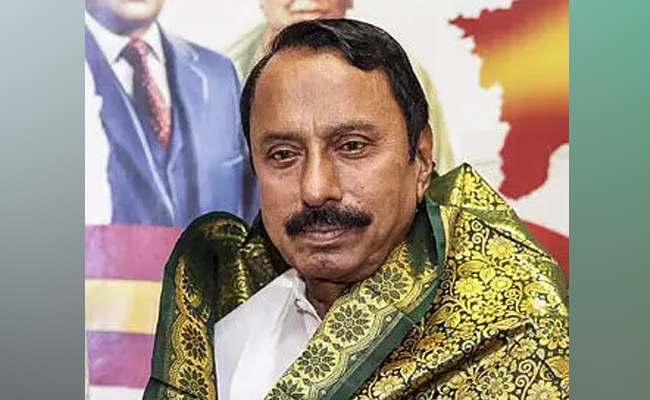
Gobichettipalayam (Tamil Nadu) (PTI): In a historic 10th win, veteran leader K A Sengottaiyan clinched the Gobichettipalayam seat in the 2026 Assembly elections.
Contesting for the first time under actor Vijay’s TVK, the 78-year-old secured approximately 71,380 votes, defeating DMK’s N Nallasivam by a margin of nearly 13,000 votes.
This win marks Sengottaiyan’s 10th consecutive victory in the constituency, cementing his status as an immovable force in the region despite his high-profile exit from the AIADMK in late 2025.
His success was a cornerstone for the TVK, which emerged as a formidable force across the state. Supporters celebrated the win as a testament to Sengottaiyan’s personal influence, which successfully transitioned from his former Dravidian home to the newly formed TVK.