Indian-American IT professional killed family before committing suicide: Police
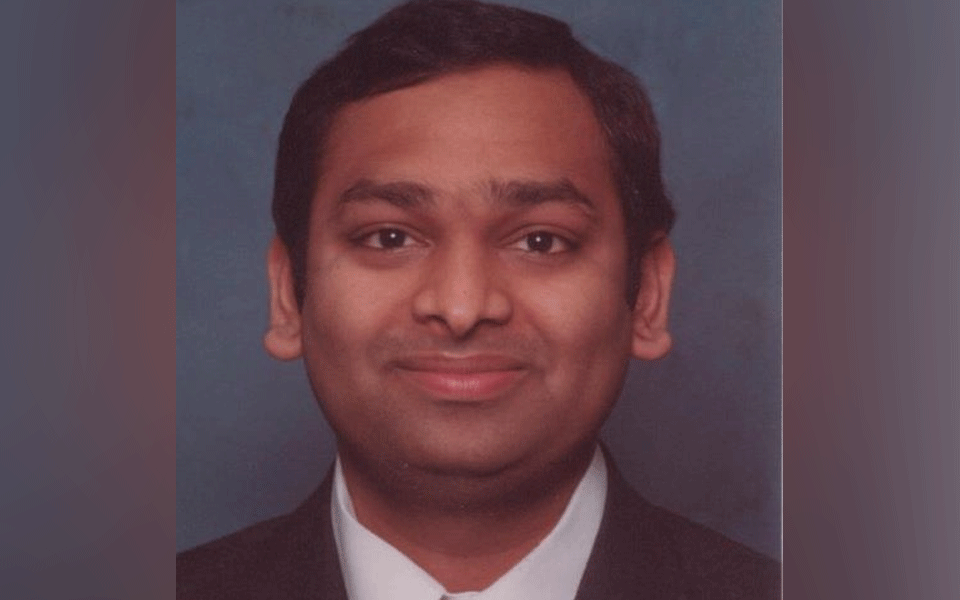
Washington, Jun 18: A 44-year-old Indian-American IT professional killed his wife and two minor sons before committing suicide with a gun inside their home in the US state of Iowa, according to the police.
The West Des Moines Police Department, which is probing the case, came to this conclusion after forensic autopsies were conducted on Sunday.
The family of four was found dead under mysterious circumstances with gunshot wounds, shocking the community.
The bodies of Chandrasekhar Sunkara, Lavanya Sunkara, 41, their 15-year-old and a 10-year-old sons were found in their home on Saturday morning.
"The manners of death for Lavanya Sunkara and the two boys are homicide. The manner of death for Chandrasekhar Sunkara is suicide," the police said in a statement.
"The State Medical Examiner's Office has determined the causes of death for all four family members to be gunshot wounds," they said.
The State Medical Examiner's Office has determined the causes of death for all four family members to be gunshot wounds.
"Officials are working with surviving family members to provide support. Investigators are continuing to review evidence and conduct interviews," the police added.
Chandrasekhar, known as Chandra, hailed from Andhra Pradesh.
The Iowa Department of Public Safety (DPS) said he was an IT professional in the Technology Services Bureau for the department.
"Our hearts and prayers go out to the family and friends of the Sunkaras," the DPS said in a statement.
Officers with the West Des Moines Police Department were sent on Saturday morning to the 900 block of 65th Street, where they found the bodies.
"This tragedy will impact family, friends, co-workers, anyone that knew this family," Sergeant Dan Wade said in a statement.
"We are continuing to work through this investigation. We will follow through until we have answered as many questions as the evidence allows. We are confident, though, that there is no continuing threat to the community," Wade said.
Police said other family members, two adults and two children, were staying in the home as guests. When the bodies were discovered, one of the relatives ran outside looking for help and found a passerby, who called 911.
The Iowa Division of Criminal Investigation is assisting in the investigation.
"You don't see something like this happen in the Indian community, let alone a heinous act like this," said Shrikar Somayajula who has known the Sunkaras for over a decade.
"The family was a very friendly family and so it is really painful," said Somayajula.
"We have more questions than answers now as to why this happened and we will probably never find out why this happened," he said.
Let the Truth be known. If you read VB and like VB, please be a VB Supporter and Help us deliver the Truth to one and all.
Bengaluru jail introduces biometric tracking system for prisoners
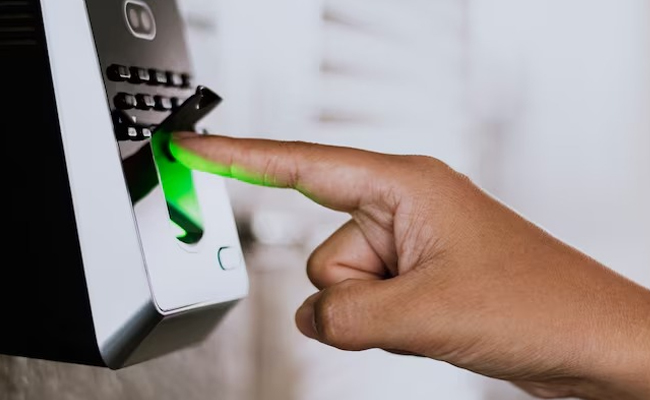
Bengaluru: In a bid to curb misconduct and illegal activities inside Parappana Agrahara Central Prison, prison authorities have introduced a new ‘Prisoners Tracking Movement System’ under which inmates will have to undergo biometric verification while entering every barrack.
According to jail officials, biometric systems have been installed across all major sections of the prison, including barracks, visitor rooms, hospital, canteen, kitchen, library, playground, handicraft units and bakery sections. Staff members have also been deployed at these locations.
Officials said inmates visiting the visitors’ room must now obtain a digital token after biometric verification. Details such as the prisoner’s name, identification number and entry time will be updated in the prison software system. This will help authorities maintain a complete digital record of inmates visiting and returning from meeting rooms.
Similar systems have also been introduced at entry points of the hospital, library and other barracks accessed for work-related purposes. Officials said the system will help identify prisoners involved in suspicious or illegal activities with other inmates and enable authorities to track how much time a prisoner spends at different locations inside the prison.
Authorities stated that AI-powered cameras were already being used inside the prison to monitor inmates as well as prison staff. Along with this, digital tracking of prisoner phone calls and a digital token system for visitor meetings have now been added to strengthen surveillance over inmate movement. Officials said the project has been implemented at a cost of around Rs 2.25 crore.
The prison department has also introduced a canteen usage tracking system to monitor prisoners’ spending patterns. Instead of direct cash payments, inmates can purchase bakery items and snacks using wallets or coupons issued within the prison system.
Officials said the digital system will record details including the buyer’s name, items purchased, quantity, date, time and remaining wallet balance. This will allow prison authorities to maintain complete expenditure records of inmates.