Indian-American Sruthi Palaniappan elected president of Harvard student body
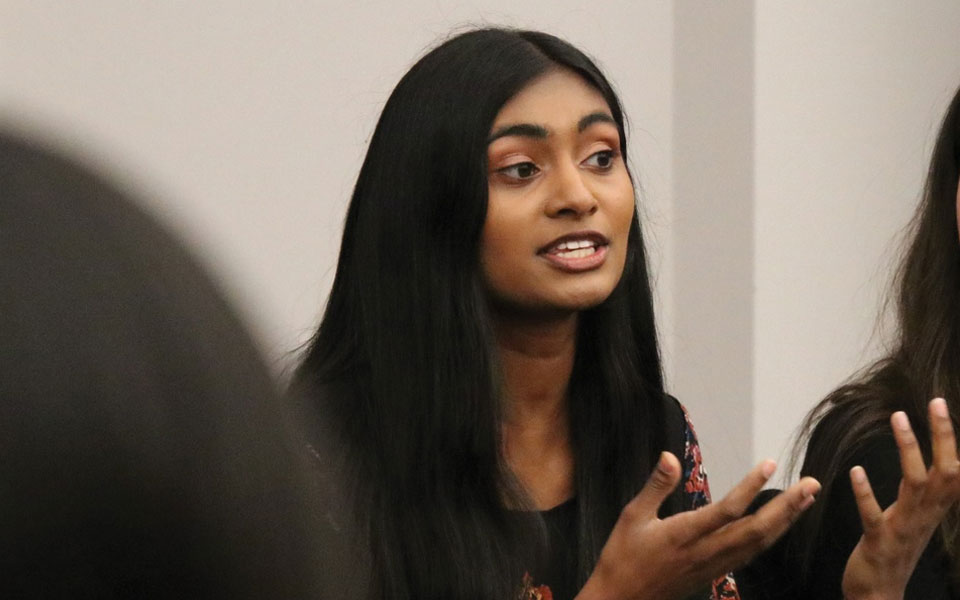
Washington, Nov 20: An Indian-American woman has been elected as the president of the powerful student's body of the prestigious Harvard University.
Sruthi Palaniappan, 20, whose parents migrated to the US from Chennai in 1992, was elected as president of the Harvard University Undergraduate Council.
Her running mate Julia Huesa, 20, was elected as vice president, according to an announcement by the Undergraduate Council Election Commission.
Palaniappan said the duo planned to work on improving the Council's communication with the student body in their initial days in office.
"I think from the onset, better structuring the way we communicate with students is something that we need to already set the tone and plan for," she said.
"I think we're going to work on it before we even leave for break and just get off the ground running," she told Harvard Crimson, the student newspaper of the varsity.
Palaniappan was the youngest delegate at the Democratic National Convention in Philadelphia in July 2016.
According to report, Palaniappan and Huesa garnered nearly 41.5 per cent of the votes as against their nearest opponent Nadine M Khoury and Arnav Agrawal, who received 26.6 per cent of the votes.
They ran their campaign under the slogan "make Harvard home".
The duo, a long-time member of the Undergraduate Council, are scheduled to take over from the outgoing president Catherine L Zhang '19 and vice president Nicholas D Boucher '19.
Palaniappan is currently the council's education committee chair.
Let the Truth be known. If you read VB and like VB, please be a VB Supporter and Help us deliver the Truth to one and all.
NIA court to complete framing of charges against 2010 hand-chopping case accused on May 15
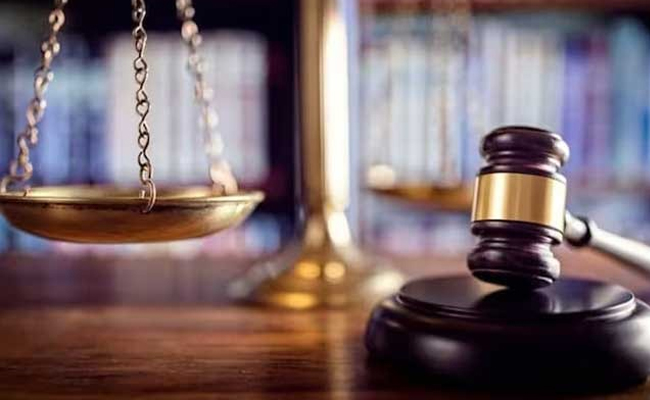
Kochi (PTI): A special court here will complete proceedings for framing charges against the prime accused in the 2010 hand-chopping case involving professor T J Joseph, in which PFI activists were accused of attacking him at Muvattupuzha.
Ernakulam Special Court for NIA cases judge P K Mohandas, on April 30, heard the arguments of counsel for accused Savad and Shafeer C and decided to proceed with framing charges against the duo.
A group chopped off Thodupuzha Newman College professor Joseph's right hand in July 2010, accusing him of religious blasphemy in a question paper he had prepared.
The case, later taken over by the National Investigation Agency (NIA), resulted in the conviction of 19 accused.
The first accused, Savad, who allegedly chopped off Joseph’s palm, was arrested in Berram in Mattannur, Kannur, in January 2024, where he had allegedly been hiding under the pseudonym Shajahan.
The NIA also arrested Shafeer, who allegedly arranged shelter and provided logistical support to Savad at Chakkad and Mattannur in Kannur since 2020.
On April 30, the court heard the counsel for the accused and the NIA prosecutor on framing charges against the duo.
"On going through the documents and evidence in the case and on hearing the counsel for the accused and the prosecutor, I am of the opinion that there are grounds for presuming that the first accused has committed offences punishable under provisions of the IPC, the Explosive Substances Act and the Unlawful Activities (Prevention) Act, and that the second accused has committed offences punishable under the IPC and the UAPA, and there are materials for framing charges under these provisions against the accused," the court said.
The court directed that Savad be produced and Shafeer, who is on bail, appear before it on May 15 for recording their pleas as part of the charge-framing process.
After framing the charges, the court will schedule the trial in the case.