Indian cities will need over $2.4 trillion by 2050 to tackle climate risks: World Bank Report
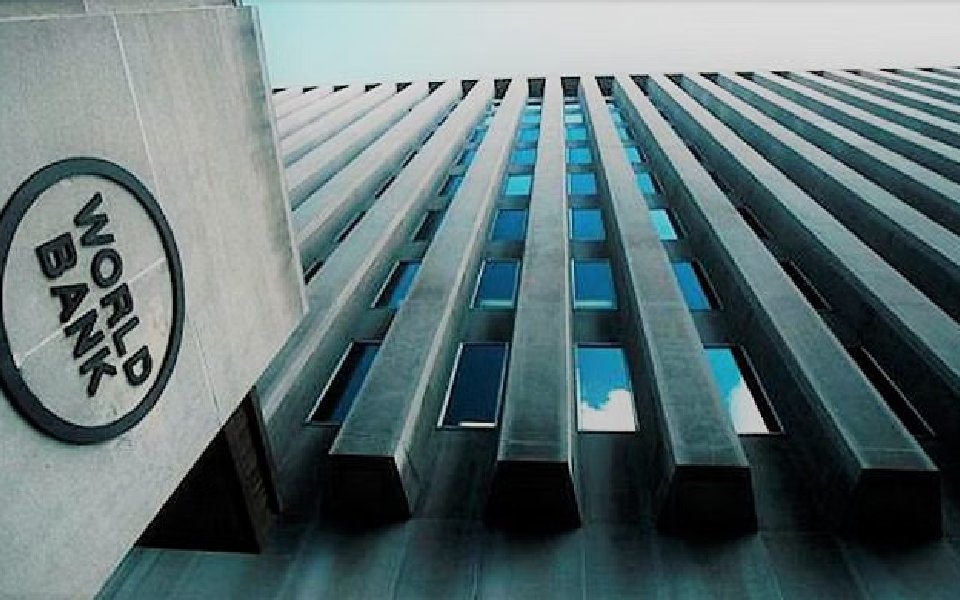
New Delhi, Jul 22 (PTI): Indian cities are becoming increasingly more vulnerable to floods, heatwaves, and other climate-related risks and will require over 2.4 trillion US dollars in investments by 2050 to build resilient and low-carbon infrastructure, according to a World Bank report released on Tuesday.
The report notes that Indian cities hold tremendous potential as centres of economic growth, with 70 per cent of new jobs coming from cities by 2030.
"However, timely action is needed for cities to deal with impacts from extreme weather events and avert billions of dollars in future losses," the report 'Towards Resilient and Prosperous Cities in India' states.
The report, prepared in partnership with the Ministry of Housing and Urban Affairs, stated that "Annual economic losses from rain-related flooding are currently estimated at 4 billion dollars. These are projected to rise to five billion dollars by 2030 and between 14 and 30 billion dollars by 2070 if no remedial action is taken."
According to the report, much of the urban expansion is occurring in "flood-prone and heat-vulnerable areas."
The report identifies Delhi, Chennai, Surat and Lucknow among cities most exposed to urban heat island effects and flood risks, particularly due to settlement expansion into vulnerable areas.
"In Delhi, the report highlights risks linked to rising temperatures and urban flooding. Heat stress is also expected to intensify. Between 1983 and 2016, exposure to dangerous heat levels increased by 71 percent in India's 10 largest cities, rising from 4.3 billion to 10.1 billion person-hours per year," the report added.
The report raised concerns about heat-related deaths.
"If emissions continue at current levels, annual heat-related deaths may rise from 1,44,000 to more than 3,28,000 by 2050. Around 20 percent of working hours in major Indian cities could be lost due to high heat stress conditions," it says.
Heat mitigation alone could increase India's Gross Domestic Product by up to 0.4 per cent and save up to 130,000 lives annually by 2050, the report states.
According to the report, the country's urban projected population will be around 1.1 billion by 2070. "More than 144 million new urban homes will be required, doubling the current housing stock," the report states.
To offset these risks, the World Bank estimates that India will need to invest 2.4 trillion dollars by 2050 and 10.9 trillion dollars by 2070 across sectors such as housing, public transport, solid waste management, and municipal services.
"However, India currently spent around 10.6 billion dollars per year from 2011 to 2018. India's current spending on urban infrastructure and services is -0.70 per cent of GDP, which is much lower than other countries and must be substantially increased", the report states.
"This is both a challenge and an opportunity," said Auguste Tano Kouame, World Bank Country Director for India.
Without timely action, climate risks such as flooding and extreme heat will become much more severe, Kouame added.
The report states that public financing alone will not be sufficient to meet this demand.
It calls for increased private sector investment through tools such as green bonds, blended finance, and access to international climate funds. The report recommends strengthening the financial autonomy of urban local bodies and improving their capacity to plan and implement bankable projects.
"India's urban population stood at 480 million in 2020 and is projected to reach 951 million by 2050 and over 1.1 billion by 2070.
According to the report, an estimated investment of 150 billion dollars over 15 years could enable 60 per cent of existing Indian cities to implement flood mitigation measures.
The report was supported by the Global Facility for Disaster Reduction and Recovery, a multi-donor trust fund that helps countries strengthen disaster and climate resilience.
Let the Truth be known. If you read VB and like VB, please be a VB Supporter and Help us deliver the Truth to one and all.
India-bound LPG tanker clears Hormuz
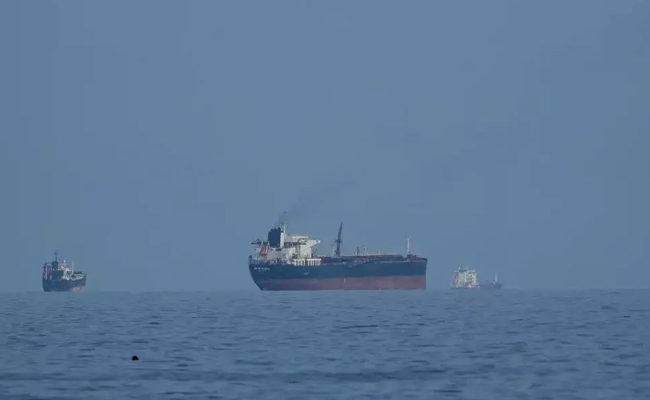
New Delhi (PTI): A tanker carrying liquefied petroleum gas (LPG) for India has sailed out of the Strait of Hormuz and is now headed towards the country, an official statement said on Sunday.
The Marshall Islands-flagged LPG carrier MT Sarv Shakti, loaded with 46,313 tonnes of LPG and staffed by 20 crew, including 18 Indians, cleared the key shipping chokepoint on May 2 and is expected to reach Visakhapatnam on May 13, it said.
The cargo -- enough to meet half a days requirement of the country -- will partly tide over supply constraints being faced since the start of the West Asia conflict more than two months back.
Ship-tracking data showed its position in Oman Gulf on Sunday evening.
The very large gas carrier has previously made runs between the Persian Gulf and Indian ports, has been chartered by state-owned Indian Oil Corporation (IOC).
Sarv Shakti is the first India-linked tanker to cross the war zone since a weeks-old US blockade of ships tied to Iran began, pushing transits through Hormuz back down to almost zero.
There are as many as 14 Indian flagged or India-owned vessels still stranded on the west side of the Strait of Hormuz.
The statement said no incident involving Indian-flagged vessels has been reported in the past 24 hours. The Ministry of Ports, Shipping and Waterways is working closely with the Ministry of External Affairs, Indian missions and maritime stakeholders to ensure crew welfare and uninterrupted operations.
The Directorate General of Shipping (DG Shipping) control room has handled 8,373 calls and more than 17,965 emails since activation, including 38 calls and 127 emails in the last 24 hours.
India has also facilitated the repatriation of more than 2,953 seafarers so far, including 31 in the past day from across the Gulf region.
Port operations across the country remain normal with no congestion reported, the statement added.