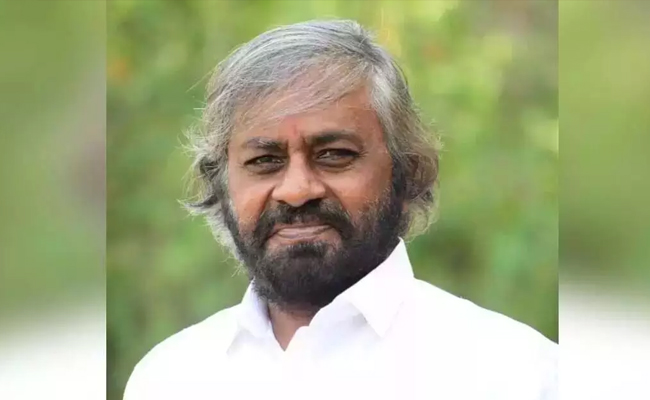
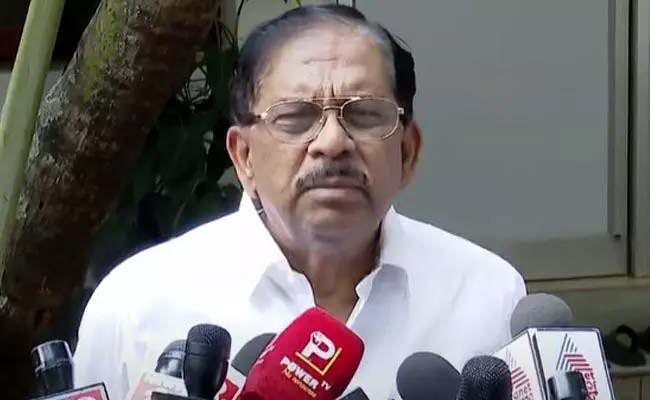
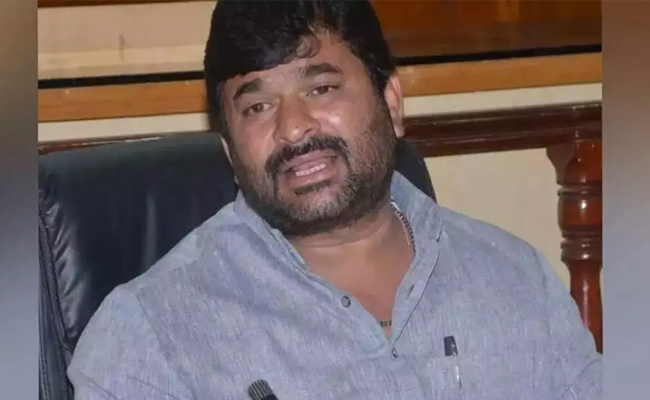
Indian-origin Pritam Singh formally takes charge as Singapore's first Leader of Opposition
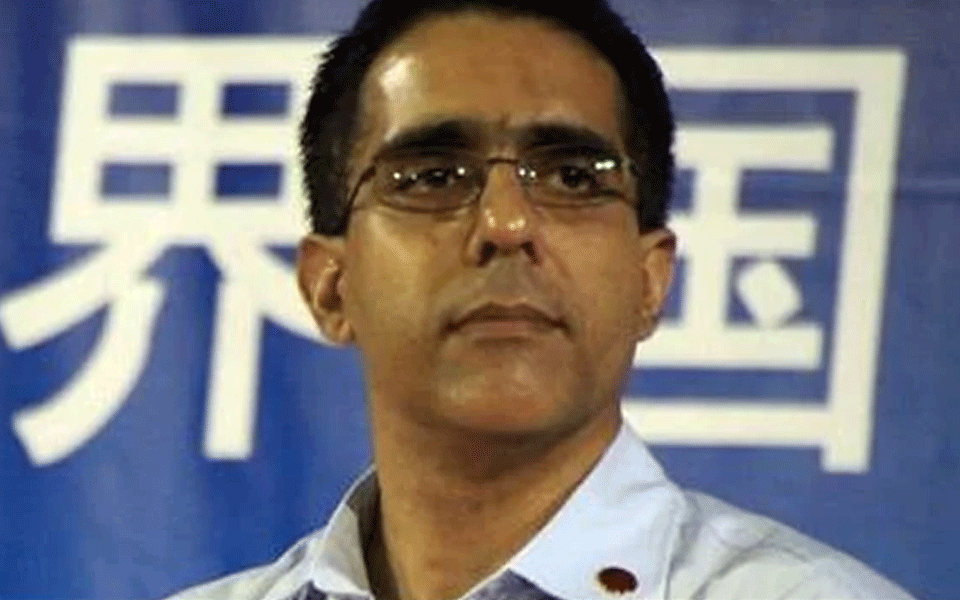
Singapore: Pritam Singh, Singapore's Indian-origin politician scripted history on Monday when the city-state's Parliament conferred the duties and privileges to him as the country's first Leader of the Opposition.
Singh's Workers' Party won 10 parliamentary seats out of the 93 it contested in the July 10 General Election, making it the biggest opposition presence in Singapore's parliamentary history.
As the House began proceedings on Monday, one of the first orders of business was a ministerial statement by the Leader of the House Indranee Rajah on formally recognising Singh, 43, as the country's first Opposition leader.
Addressing Parliament, Singh underlined the need to focus on foreigners and their living conditions. He said how foreign workers are managed and accommodated needs to be improved.
Their (foreigners) presence gives Singapore a vitality that keeps us economically relevant and also provides jobs and opportunities to our fellow Singaporeans. Many of us count the foreigners in our midst - regardless of race, language or religion - as our friends, Channel News Asia quoted Singh as saying.
It is precisely because we need foreigners to help power our economy that we need to pay more attention to the Singapore worker... some of whom feel excluded from (the) opportunities created in their homeland, Singh said.
Leader of House Indranee, who is also of Indian-origin from the ruling People's Action Party (PAP), said, "With more opposition MPs reflecting a 'strong desire among Singaporeans for a greater diversity of views in politics' as noted by the Prime Minister (Lee Hsien Loong) in his swearing-in speech.. It is timely and appropriate that the position of the Leader of the Opposition be more formally recognised."
The PAP has an absolute majority in the House with 83 elected members.
The House passed a motion to double Singh's speaking time from 20 minutes -- which is allotted to backbenchers -- to 40 minutes, the duration allotted to office holders.
Singh took the seat directly opposite Prime Minister Lee in the chamber. This is similar to the practice in other countries that formally recognise the role of the Leader of the Opposition, Indranee pointed out.
Singh called on the Ministry of Manpower (MOM) to publish the names of "recalcitrant" employers who do not give locals a fair chance in hiring and promotion.
The MOM had recently placed 47 companies on the Fair Consideration Framework (FCF) watchlist for discriminatory hiring practices.
A wealth management firm on the list was found to have almost three-quarters of its professionals from the same country, he said. In another similar case, a bank was found to have two-thirds of its professionals from a particular country.
The obvious question is, how did those two companies get to those stages without the MOM taking action? he asked.
MOM website states at one point and I quote: MOM does not tolerate unfair hiring practices and employers who do not give locals a fair chance in hiring and promotion will face scrutiny and stiff penalties if found to have unfair hiring practices, he said.
Following the General Election, Prime Minister Loong had said Singh will be designated the Leader of the Opposition in the 14th Parliament, and that he would be given staff support and resources to perform his duties.
There have been de facto leaders of the Opposition in the past, such as former Singapore People's Party chief Chiam See Tong. However, this is the first time the position is being recognised officially.
During her address on Monday, Indranee, 57, reiterated that Singh will be given an office in Parliament, staff support and resources, as well as additional allowance.
The Leader of the Opposition will generally be given the right of first response among MPs to ask the lead question to ministers on policies, bills and motions in Parliament.
This will be at the discretion of the Speaker and subject to existing conventions, she said.
As Leader of the Opposition, Singh's duties include leading and organising the Opposition's parliamentary business. He may also take on other duties such as attending official state functions and taking part in visits and meetings with members of the Government and the public service.
He will also, from time to time, receive briefings by the government on confidential issues, and the matters to be briefed will be determined by the government, said Indranee.
These duties and privileges are based on the conventions and practices of other Westminster-style parliamentary systems, but reflect adaptations to Singapore's political and parliamentary context, she added.
"With greater diversity of views, we can expect more robust debate and, in some cases, sharper exchanges. But we should work to ensure that diversity does not lead to polarity, of the country or of the people," said Indranee.
"Experience elsewhere shows that unity in diversity is not an assured outcome. Our goal should be to harness this diversity of views in a constructive manner, so that we can as a Parliament better serve the interests of Singaporeans and Singapore."
Indranee added that the role of the Leader of the Opposition in Singapore will evolve with the country's politics.
Let the Truth be known. If you read VB and like VB, please be a VB Supporter and Help us deliver the Truth to one and all.
Commercial LPG hike: Delhi restaurant owners warn of higher menu rates, job losses
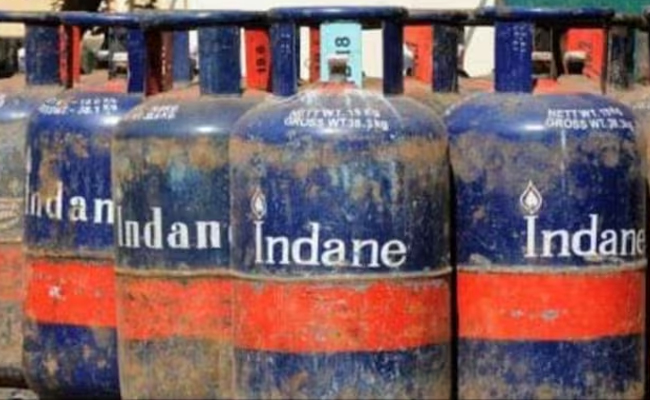
New Delhi (PTI) A day after a 50 per cent rise in commercial LPG cylinder prices, Delhi's food business, with restaurant owners and street vendors have warned of higher menu rates, financial strain and potential job losses if the trend persists.
The price of commercial LPG was hiked by a steep Rs 993 per 19 kg cylinder, marking the third consecutive monthly hike amid rising global energy prices linked to the West Asia conflict.
For many in the restaurant industry, the spike has been both sudden and steep.
Manpreet Singh, honorary treasurer of the National Restaurant Association of India, said that eateries are already grappling with supply challenges alongside rising costs.
"There is a huge difficulty in getting these cylinders, and black marketing is also increasing in many unregulated sectors," he said, noting that prices that were once around Rs 1,600, often dropping to nearly Rs 1,300 with discounts, have now surged to between Rs 3,000 and Rs 4,000 per cylinder.
He further added that a medium-sized restaurant typically uses between two and five cylinders daily, making the increase particularly burdensome as costs mount.
Singh further said that as costs mount, smaller establishments could struggle to stay afloat. Instead, the association has advised restaurants to shift towards piped natural gas connections through Indraprastha Gas Limited as a more sustainable alternative.
"If this problem continues, PNG is the only long-term solution," he said, adding that temporary measures like coal offer limited relief due to slower cooking times and that it can largely be used only for tandoors.
Echoing similar concerns, Kabir Suri, owner of Mamagoto in Khan Market, said the impact is already visible across the industry. "There has been almost a threefold increase in cylinder prices for restaurants," he said, adding that rising fuel and logistics costs are compounding the pressure.
"If this continues, it will become a significant financial burden, and food prices will inevitably go up. Adding to this burden, higher fuel costs are also affecting logistics and transportation, making a price rise unavoidable. The extent of the impact will vary between small eateries and large chains depending on their scale," he said.
Global oil prices have surged nearly 50 per cent following disruptions in energy supply chains due to the West Asia conflict, pushing up commercial fuel costs and transport expenses.
A West Delhi-based restaurateur said they are trying to manage rising costs while keeping their staff secure. "We are trying to ensure that our staff, from kitchen workers to waiters, are paid on time and do not face immediate hardship," the owner said.
"We are a small restaurant with seating for about 20 to 25 people at a time. But if this continues for long, we will have to take difficult calls. There is only so much we can absorb, and menu prices will have to go up. We hope this does not continue for a longer period," he said.
Another restaurant owner in North Delhi, who did not wish to be named, said operational adjustments alone may not be enough. "We are checking our costs very carefully and trying to cut wherever possible, but if fuel prices remain high, it will eventually affect how we run the business," the owner said.
"Coal helps in tandoor cooking, but it takes more time," the owner further added.
The strain is even more acute among street vendors, many of whom operate on thin margins. A vendor in Saket said he had recently expanded his business, moving from a mobile cart to a rented outlet.
"I have a family to feed and more responsibilities now. Earlier, I managed with a moving cart, but after renting the place, expenses increased," he said. "Whenever cylinders were unavailable, I had to buy them at higher rates in the black market. Now even regular supply is too expensive, and if this continues, we may have to shut down," he added.
In Laxmi Nagar, another vendor said they are struggling to keep the business running. "Sometimes we even used domestic cylinders from home when supply ran out because we had to keep the stall running," he said, adding that rising costs leave little choice but to increase prices or bear losses.
On April 1, the rates of commercial LPG cylinders were hiked by Rs 195.50 per cylinder, followed by a Rs 114.5 hike on March 1, taking the total increase over the past three months to Rs 1,303. With the latest revision, a 19 kg commercial LPG cylinder now costs Rs 3,371.5 in Delhi, up from Rs 2,078.5 earlier.
The prices of domestic LPG cylinders used for household cooking have remained unchanged. They were last increased by Rs 60 per 14.2 kg cylinder on March 7 and currently cost Rs 913 in Delhi.