Indonesia hikes danger level for deadly tsunami volcano
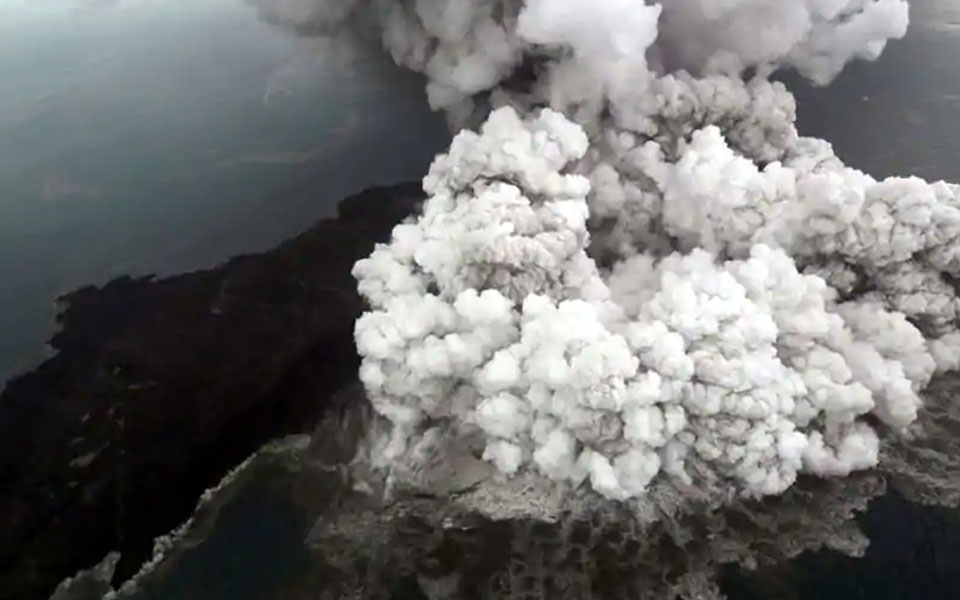
Carita, Dec 27 : Indonesia on Thursday raised the danger alert level for an erupting volcano that sparked a killer tsunami at the weekend, after previously warning that fresh activity at the crater threatened to trigger another deadly wave.
Authorities also widened a no-go zone around rumbling Anak Krakatoa to five kilometres (three miles) -- up from a previous two kilometres -- and warned shell-shocked residents to stay away from the coast, after more than 400 were killed by Saturday night's killer wave.
Plumes of ash burst into the sky as pyroclastic flows -- hot gas and other volcanic material -- flowed down the crater, threatening anyone too close to the volcano and raising the risk of rough seas for boats in the vicinity.
"There is a danger of more eruptions," said national disaster agency spokesman Sutopo Purwo Nugroho.
"People (near the volcano) could be hit by hot rocks, pyroclastic flows and thick ash." Authorities raised the crater's status to high alert, the second-highest warning on the country's four-point danger scale, while aviation officials ordered flights to be redirected away from the area.
"We've raised the status of (the volcano) since this morning because there's been a change in the eruption pattern," Kus Hendratno, a senior official at the Krakatoa observatory, told AFP Thursday.
The new flows posed no immediate danger to area towns as the volcano sits in the middle of the Sunda Strait between Java and Sumatra islands.
But the status change sparked new fears with many residents already scared and refusing to return to their communities over fears of another tsunami.
"This worries me," said Ugi Sugiarti, a cook at the Augusta Hotel in hard-hit Carita.
"I've already left." Sukma, a security guard at the shattered Mutiara Carita Cottages, added: "Just please pray for us and that everything will be okay." A section of the crater -- which emerged at the site of the Krakatoa volcano, whose massive 1883 eruption killed at least 36,000 people -- collapsed after an eruption and slid into the ocean, triggering Saturday night's killer wave.
At least 430 people were killed, with 1,495 people injured and another 159 were missing.
Nearly 22,000 people have been evacuated and are living in shelters.
On Wednesday evening, the disaster agency said that wind was blowing "ash and sand" from the volcano to the nearby towns of Cilegon and Serang on Java, and advised residents to wear masks and glasses if they had to venture outdoors.
Torrential rains have sparked flooding in some areas, hampering the relief effort and heaping more misery on the stricken region, as thousands cram emergency shelters.
Medical workers have warned that clean water and medicine supplies were running low -- stoking fears of a public health crisis.
Indonesia, a vast Southeast Asian archipelago, is one of the most disaster-hit nations on Earth due to its position straddling the so-called Pacific Ring of Fire, where tectonic plates collide.
The tsunami was Indonesia's third major natural disaster in six months, following a series of powerful earthquakes on the island of Lombok in July and August and a quake-tsunami in September that killed around 2,200 people in Palu on Sulawesi island, with thousands more missing and presumed dead.
Let the Truth be known. If you read VB and like VB, please be a VB Supporter and Help us deliver the Truth to one and all.
Commercial LPG price hiked by Rs 993 per 19-kg cylinder
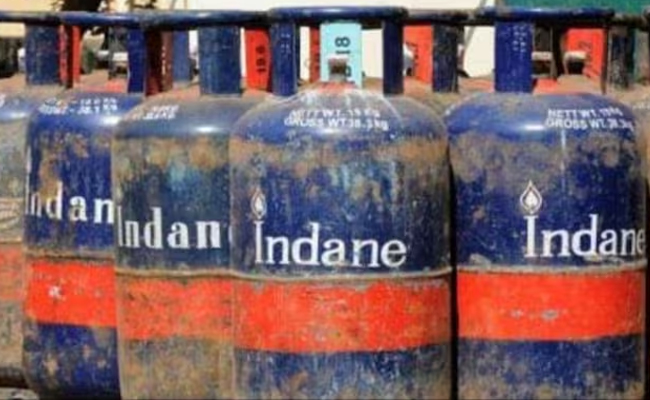
New Delhi (PTI): The price of commercial LPG was hiked by the steepest ever Rs 993 per 19-kg cylinder on Friday, marking the third straight monthly increase due to rising global energy prices linked to the West Asia conflict.
A 19-kg commercial LPG - used by establishments such as hotels and restaurtants - now costs a record Rs 3,071.5 in Delhi as against Rs 2,078.50 previously.
Rates were last increased by 195.50 per cylinder on April 1. Prior to that, prices had gone up by Rs 114.5 per 19-kg cylinder on March 1.
In three increases, commercial LPG rates have gone up by Rs 1,303.
Prices of domestic cooking gas LPG - the one used in household kitchens - remained unchanged. Domestic LPG rates were last hiked by Rs 60 per 14.2-kg cylinder on March 7. It costs Rs 913 per 14.2-kg cylinder in Delhi.
State-owned Indian Oil Corporation, Bharat Petroleum, and Hindustan Petroleum revise ATF and LPG prices on the first day of every month based on international benchmarks and the exchange rate.
Global oil prices have shot up almost 50 per cent after the war in West Asia disrupted energy supply chains.
Petrol and diesel prices continue to remain frozen after a Rs 2 per-litre reduction in March last year; petrol currently costs Rs 94.72 per litre in Delhi and diesel Rs 87.62.