Iran launches fresh missile attack on Israel; Sirens sounded across northern regions
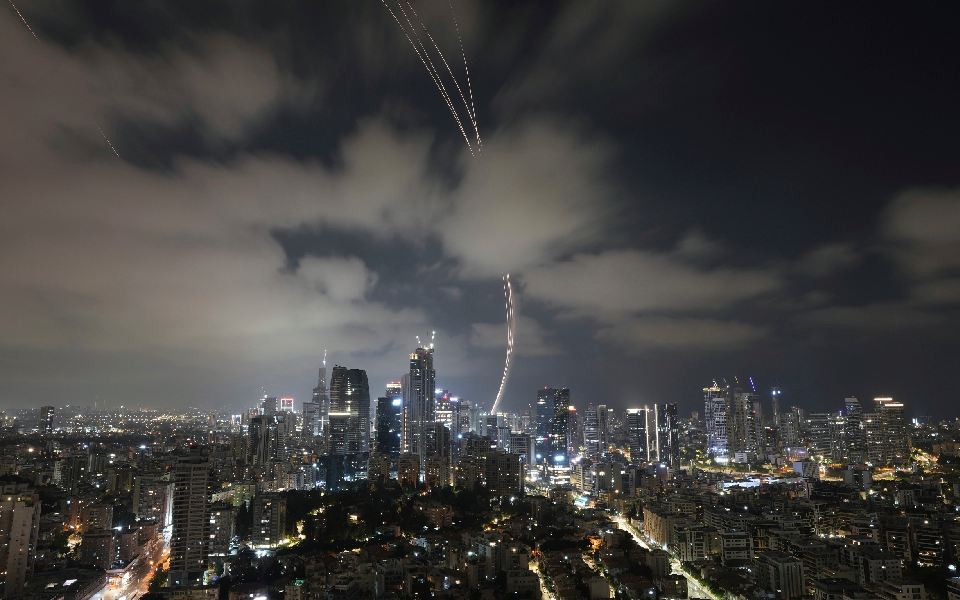
Tel Aviv: Tensions in West Asia escalated further as Iran launched another wave of ballistic missiles targeting northern Israel on Tuesday, triggering sirens across several cities and forcing residents into shelters. The Israel Defense Forces (IDF) confirmed the attack and said its defence systems were activated to intercept the missiles.
"A short while ago, the IDF identified missiles launched from Iran towards the territory of the State of Israel. Defensive systems are operating to intercept the threat," the IDF said in a statement released on its official Telegram channel.
Cautioning the public, the IDF instructed citizens to immediately move into protected spaces and remain there until further notice. "Leaving the protected space is only permitted following an explicit directive. Continue to follow the instructions of the Home Front Command," the advisory said.
The latest missile barrage follows an earlier Israeli offensive that targeted several locations in Iran, particularly in its western region. The strikes reportedly damaged key parts of Iran's air defence systems. Israel has justified its actions by claiming Iran was close to achieving nuclear weapons capability — a scenario both Israel and the United States have identified as a critical red line.
In response, Iran carried out retaliatory strikes, targeting key Israeli cities including Tel Aviv and Jerusalem — marking the first time such cities have come under direct attack from Tehran. Iran declared the missile strikes as a response to Israeli aggression.
Adding to the intensity of the conflict, Israeli Prime Minister Benjamin Netanyahu has reportedly said that eliminating Iran’s Supreme Leader Ayatollah Ali Khamenei would bring an end to the hostilities. His statement comes a day after US President Donald Trump reportedly vetoed a similar proposal, highlighting international divisions over the handling of the crisis.
Over the past four days, both nations have exchanged missile and drone attacks, with civilians on both sides urged to prepare for a prolonged conflict. While Israel views Iran’s nuclear ambitions as an existential threat, Tehran accuses Israel of provocation and aggression.
Let the Truth be known. If you read VB and like VB, please be a VB Supporter and Help us deliver the Truth to one and all.
LIVE | Panchayat Election Results: Countdown to vote counting....

New Delhi: The countdown has begun for the counting of votes for the Assembly elections in five states that have captured the attention of people across the country.
The counting of votes for the Assembly constituencies of West Bengal, Tamil Nadu, Kerala, Assam and the Union Territory of Puducherry will begin simultaneously at 8 am, and the fate of candidates in a total of 824 constituencies will be decided shortly.
The counting of postal ballots will take place first, followed by the counting of EVM votes in several rounds.
- Five-state elections: Postal vote counting begins
- TMC, BJP lead in one seat each in West Bengal
In Tamil Nadu, DMK leads in 3 constituencies, while TVK leads in 1 - UDF leads in 5 seats in Kerala, BJP in 1, LDF in 1
- BJP leads in 2 seats, AIUDF in 1 in Assam