Iran restores access to WhatsApp and Google Play after they were banned amid protests

Tehran, Dec 25: Iran's government on Tuesday said it had lifted a ban on access to WhatsApp and Google Play after more than two years, the official IRNA news agency reported.
The report said the country's Supreme Council of Cyber Space made the decision in a meeting led by reformist President Masoud Pezeshkian, who has vowed to remove restrictions on social media.
Iran's telecommunication minister Sattar Heshemi in a post on X called the decision a “first step” in removing restrictions and said “the path will continue" — indicating the possibility of unblocking other services.
Many people reached by The Associated Press across the capital, Tehran, and other cities said they had access to the services on computers but not yet on mobile phones.
WhatsApp has been the third most popular messaging platform in Iran after Instagram and Telegram.
The ban on WhatsApp and Google Play was put in place in 2022 during mass protests against the government over the death of a woman held by the country's morality police for allegedly violating the strictly enforced dress code. The protests calmed in 2023 after a crackdown by police and security forces that led to the death of hundreds of people and the imprisonment of thousands.
Iran has blocked access to various social media platforms over the years but many people in the country use proxies and VPNs to access them.
Let the Truth be known. If you read VB and like VB, please be a VB Supporter and Help us deliver the Truth to one and all.
TN govt revokes appointment of astrologer as OSD to CM Vijay following criticism
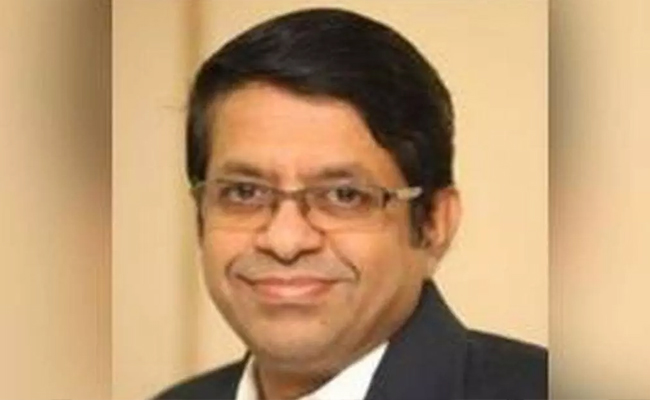
Chennai (PTI): The Tamil Nadu government on Wednesday revoked its order appointing Rickey Radhan Pandit Vettrivel, an astrologer, as the Officer on Special Duty (OSD - Political) to Chief Minister C Joseph Vijay.
The decision to withdraw the Government Order (GO) comes less than 24 hours after the appointment was made on Tuesday, following a wave of sharp criticism from political opponents and allies of the Tamilaga Vettri Kazhagam (TVK) alike.
The appointment had sparked a heated debate in the State Assembly earlier in the day. Opposition leaders, including DMDK general secretary Premalatha Vijayakanth, strongly condemned the move on the floor of the House, questioning the induction of an astrologer into a key political administrative role.
Facing mounting pressure and backlash from various quarters, the Vijay-led administration moved quickly to rescind the appointment.
Vettrivel, widely known as an astrologer, had been designated to handle political affairs in the Chief Minister's Office before the government decided to backtrack on the decision.
Official sources confirmed that the GO stands cancelled with immediate effect. Further details on a replacement for the post are yet to be announced.