Iran sentences imprisoned Nobel laureate Narges Mohammadi to additional prison term
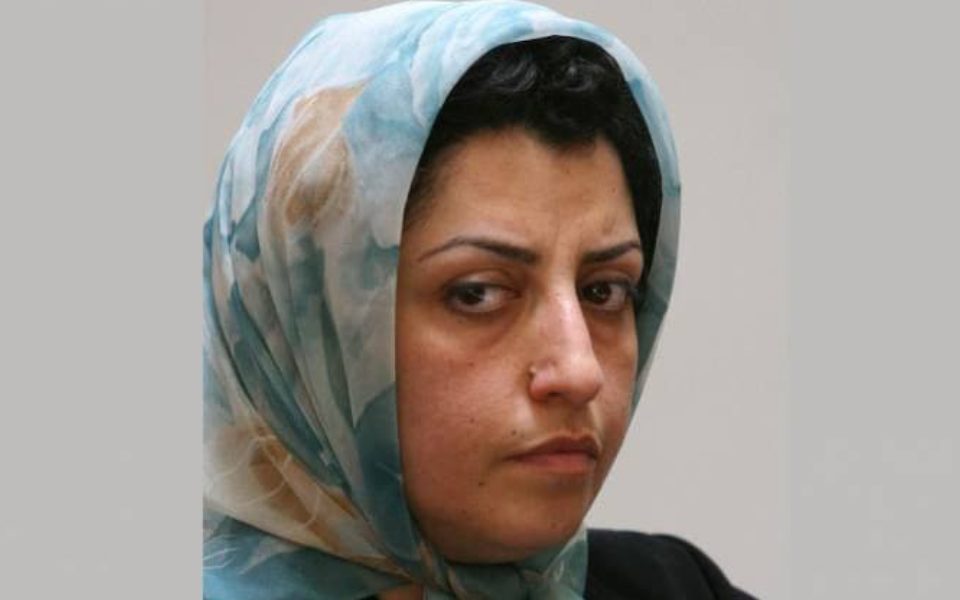
Dubai, Jan 15: A court in Iran has slapped imprisoned Nobel Peace Prize laureate Narges Mohammadi with an additional sentence of 15 months for allegedly spreading propaganda against the Islamic Republic, her family said Monday.
According to a post on Instagram by Mohammadi's family, the new sentence was handed down on Dec 19. It said Mohammadi had refused to attend the court sessions.
The verdict also said that after serving her time, Mohammadi would be banned from travelling abroad for two years and would be barred from membership in political and social groups and from having a mobile phone for the same duration.
The ruling also banishes her from the capital, Tehran, meaning she would likely have to serve the new sentence in another province in Iran. Mohammadi is held in Tehran's notorious Evin Prison where she is serving a 30-month sentence for spreading propaganda against the ruling system, disobediences in prison and defamation of authorities.
The latest verdict reflects the Iranian theocracy's anger that she was awarded the Nobel prize last October for years of activism despite a decadeslong government campaign targeting her.
Mohammadi is the 19th woman to win the Nobel Peace Prize and the second Iranian woman after human rights activist Shirin Ebadi in 2003. The 51-year-old Mohammadi has kept up her activism despite numerous arrests by Iranian authorities and spending years behind bars.
Earlier in November, Mohammadi went on hunger strike over being blocked along with other inmates from getting medical care and to protest the country's mandatory headscarves for women.
Mohammadi was a leading light for nationwide, women-led protests sparked by the death last year of a 22-year-old woman in police custody that have grown into one of the most intense challenges to Iran's theocratic government. That woman, Mahsa Amini, had been detained for allegedly not wearing her headscarf to the liking of authorities.
For observant Muslim women, the head covering is a sign of piety before God and modesty in front of men outside their families. In Iran, the hijab - and the all-encompassing black chador worn by some - has long been a political symbol as well, particularly after becoming mandatory in the years following the 1979 Islamic Revolution.
While women in Iran hold jobs, academic positions and even government appointments, their lives are tightly controlled in part by laws like the mandatory hijab. Iran and neighbouring, Taliban-ruled Afghanistan remain the only countries to mandate that. Since Amini's death, however, more women are choosing not to wear the headscarf despite an increasing campaign by authorities targeting them and businesses serving them.
Let the Truth be known. If you read VB and like VB, please be a VB Supporter and Help us deliver the Truth to one and all.
Trump’s fresh threat to bomb Iran amid reports of deal to end war
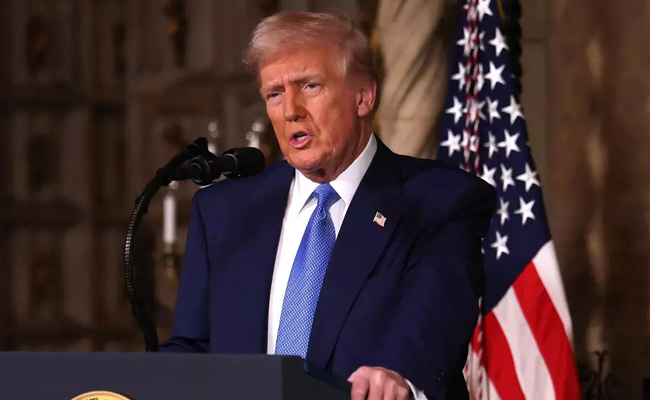
Washington (PTI): US President Donald Trump on Wednesday threatened Iran with more bombing if it doesn't reopen the Strait of Hormuz, amid a report that the warring sides were nearing an agreement to end the war.
US media outlet Axios reported, quoting US officials and two other sources, that the US and Iran were getting close to a one-page memorandum of understanding to end the war and set a framework for more detailed nuclear negotiations.
The US expects Iranian responses on several key points over the next 48 hours, Axios reported, adding that nothing has been agreed yet. This was the closest the parties had been to an agreement since the war began.
"Assuming Iran agrees to give what has been agreed to, which is, perhaps, a big assumption, the already legendary Epic Fury will be at an end, and the highly effective Blockade will allow the Hormuz Strait to be OPEN TO ALL, including Iran," Trump said in a post on Truth Social.
"If they don’t agree, the bombing starts, and it will be, sadly, at a much higher level and intensity than it was before," Trump said.
According to Axios, the deal would involve Iran committing to a moratorium on nuclear enrichment, the US agreeing to lift its sanctions and release billions in frozen Iranian funds, and both sides lifting restrictions around transit through the Strait of Hormuz.
It said many of the terms laid out in the memo would be contingent on a final agreement being reached, leaving the possibility of renewed war or an extended limbo in which the hot war has stopped, but nothing is truly resolved.