Iranian official claims Pakistan will launch nuclear strike on Israel if Tel Aviv uses nukes
Pakistan denies
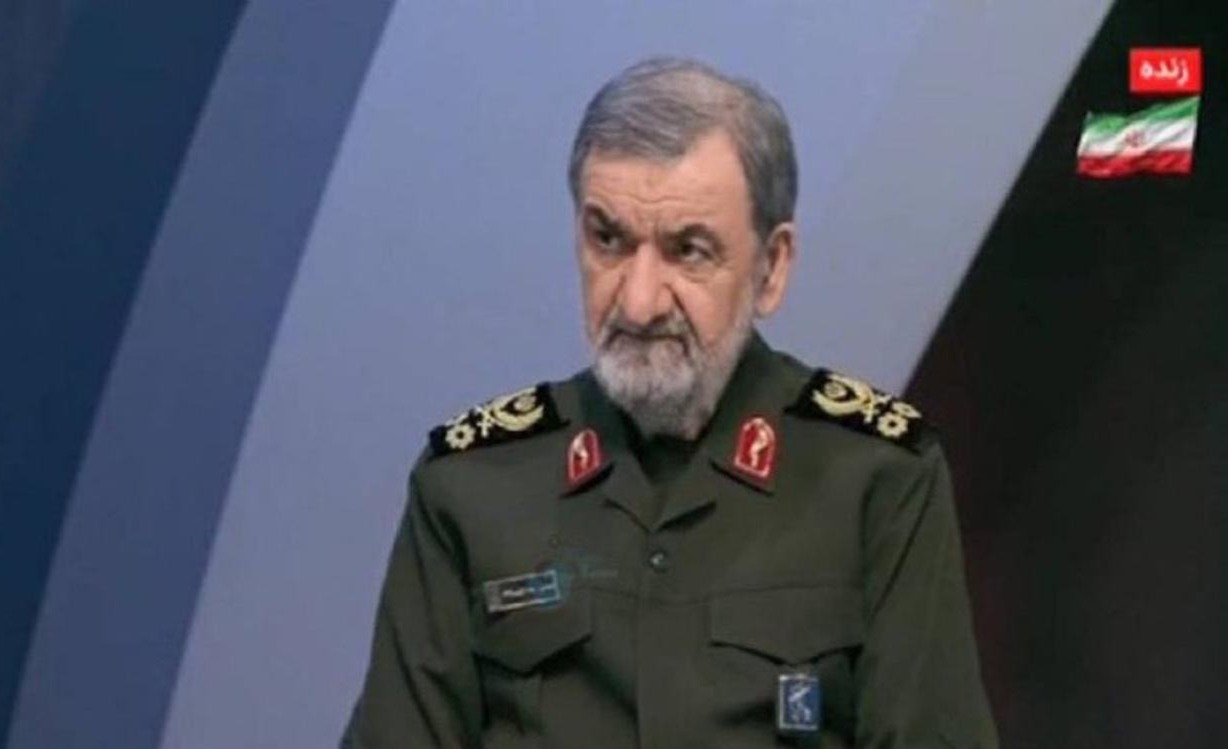
Tehran: A senior Iranian official has claimed that Pakistan has assured Tehran of a nuclear response against Israel if the Zionist state uses nuclear weapons in the ongoing conflict. Mohsen Rezaei, a top commander in Iran’s Islamic Revolutionary Guard Corps (IRGC) and member of the National Security Council, made the statement during an interview on Iranian state television.
“Pakistan has told us that if Israel uses nuclear missiles, we will also attack it with nuclear weapons,” Rezaei asserted, implying a potential deepening of regional hostilities.
Pakistan’s Shaheen-III missile, with a range of up to 2,700 kilometers, is capable of reaching Israeli territory. While the Pakistani military has not officially commented, the missile is believed to be operational under the country’s strategic forces.
However, Pakistan’s Defence Minister Khawaja Muhammad Asif later dismissed the claim, stating unequivocally that Islamabad had made no such commitment. In a post on X, Asif emphasised that Pakistan’s policy had not changed, but also cautioned that Israel’s undeclared nuclear arsenal, especially amid the current volatile situation, could embolden Tel Aviv to act more aggressively — raising the risk of a broader regional conflict.
Despite rejecting the nuclear claim, Pakistan has expressed firm diplomatic solidarity with Iran. On June 14, Defence Minister Asif urged Muslim countries to unite against what he described as Israeli aggression not just toward Iran, but also Palestine and Yemen. He called on countries maintaining ties with Israel to sever them and urged the Organisation of Islamic Cooperation (OIC) to craft a joint strategy.
Prime Minister Shehbaz Sharif, in a recent phone conversation with Iranian President Masoud Pezeshkian, condemned Israeli airstrikes as violations of Iran’s sovereignty and called for urgent international intervention.
The Israel-Iran conflict has intensified dramatically, with Israeli airstrikes targeting Iranian nuclear and military sites in cities such as Tehran and Mashhad. Iran has responded with its own missile attacks. Both sides have reported casualties.
Rezaei also warned that Iran has undisclosed capabilities and strategies that could shift the balance in the ongoing conflict, adding to global concerns over further escalation.
Let the Truth be known. If you read VB and like VB, please be a VB Supporter and Help us deliver the Truth to one and all.
LIVE | Panchayat Election Results: Countdown to vote counting....

New Delhi: The countdown has begun for the counting of votes for the Assembly elections in five states that have captured the attention of people across the country.
The counting of votes for the Assembly constituencies of West Bengal, Tamil Nadu, Kerala, Assam and the Union Territory of Puducherry will begin simultaneously at 8 am, and the fate of candidates in a total of 824 constituencies will be decided shortly.
The counting of postal ballots will take place first, followed by the counting of EVM votes in several rounds.
- Five-state elections: Postal vote counting begins
- TMC, BJP lead in one seat each in West Bengal
In Tamil Nadu, DMK leads in 3 constituencies, while TVK leads in 1 - UDF leads in 5 seats in Kerala, BJP in 1, LDF in 1
- BJP leads in 2 seats, AIUDF in 1 in Assam