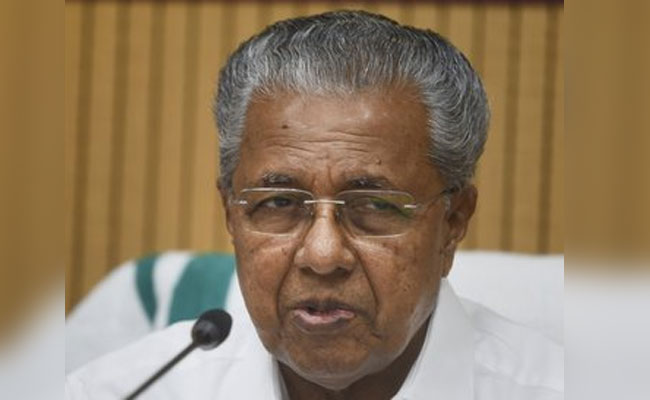
Maryam, husband to challenge verdict; Sharif lands in 'B' class jail

Islamabad, July 14 : Ex-Pakistan Prime Minister Nawaz Sharif's daughter Maryam and her husband have decided to appeal against the July 6 verdict by an accountability court. The two along with Sharif were convicted and sentenced in absentia to lengthy prison terms in connection with their ownership of properties in London.
The appeal, that will be filed on July 16, was drafted on Saturday. Maryam Nawaz's legal team was still in Adiala Jail to get the power of attorney but was unable to file the appeal before the court hours ended. Court hours last till 1 p.m. during summer vacations.
The appeal -- that highlights the legal flaws in the Avenfield judgement -- asks for the accountability court's verdict to be declared null and void. It further pleads for the sentence of Safdar Awan, Maryam's husband, be suspended till a decision on the appeal was reached.
Nawaz Sharif and his political heir Maryam were arrested at the Lahore airport late on Friday on corruption charges as they returned to the country in an attempt to rally their beleaguered party days before July 25 polls.
High drama surrounded the arrests as the authorities blocked roads, shut down mobile and internet service and deployed thousands of security forces to thwart supporters of the Sharifs from reaching the airport.
The police arrested at least 600 workers of Sharif's political party, Pakistan Muslim League-Nawaz, on security-related charges in the past several days.
Officials from the National Accountability Bureau (NAB), the anti-corruption watchdog, placed the Sharifs under arrest. They were transferred to Adiala prison on the outskirts of Rawalpindi. Sharif was allotted a 'B' class category in prison.
According to sources in the know of the developments, the plan regarding Sharif and daughter's stay at jail was amended thrice after which it was decided to allot the Sharif a 'B' class jail which has facilities such as a 21-inch television, newspapers, a bed and fan.
It was also decided to keep Maryam in Adiala Jail's women's cell and not in Sihala rest house as suggested earlier.
The trial of two remaining NAB cases against the Sharifs will take place in the jail, according to a government notification.
After the court's verdict, the remaining cases pertain to the Al-Azizia Steel Mills and Hill Metal Establishment, and offshore companies, including Flagship Investment Limited.
The trial against the Sharif family had commenced on September 14, 2017.
Nawaz and his sons are accused in all three graft references whereas Maryam and Safdar were accused in the Avenfield reference only. The two brothers, based abroad, had been absconding since the proceedings began last year and were declared proclaimed offenders by the court.
Meanwhile, cabinet sub-committee held a meeting on the matter pertaining to placing Sharif and Maryam's name on the no-fly list. The committee approved the request during the meeting.
The Sharifs had maintained that the cases were manufactured by their political foes and the country's powerful military.
Let the Truth be known. If you read VB and like VB, please be a VB Supporter and Help us deliver the Truth to one and all.
Over 1 lakh students appear for NEET across TN
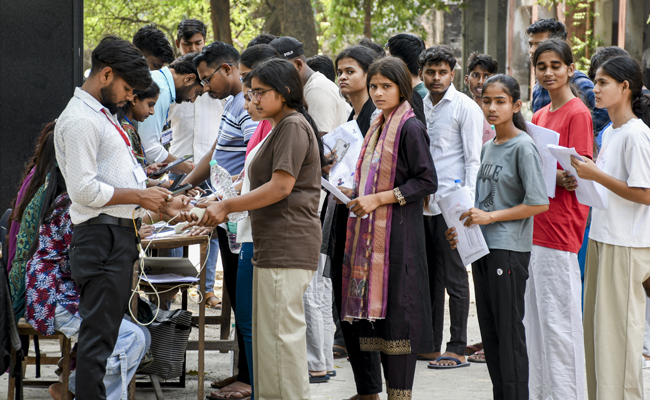
Chennai (PTI): About 1.4 lakh students appeared for the NEET 2026 exam for admission to medical degree courses across 31 centres in Tamil Nadu on Sunday.
Students claimed that the exam paper was easier than the previous year.
Organised by the National Testing Agency (NTA), 22.80 lakh students had registered for the National Eligibility cum Entrance Test (NEET) undergraduate exam nationwide.
NTA sources said that CCTV surveillance was installed at all examination centres, with feeds linked to centralised control rooms.
In view of the large candidate volume and prevailing summer conditions, the NTA ensured reliable power back-up, including generators at all centres, to ensure candidate comfort during the exam. Also, drinking water and on-site medical support were provided to students.
The sources further said that no malpractices were reported, especially in Chennai. The results of NEET are expected to be declared in June, 2026.