Moon, Kim take historic trip to sacred North Korean mountain
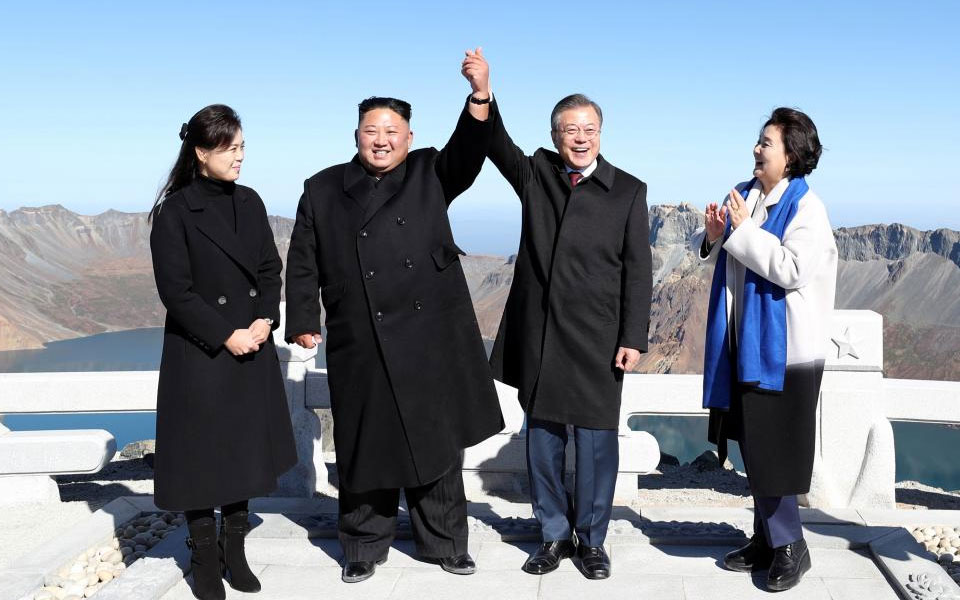
Pyongyang, Sep 20 : South Korean President Moon Jae-in and North Korean leader Kim Jong-un embarked on a historic trip on Thursday to the summit of Mount Paekdu, a sacred mountain on the country's border with China, at the end of their three-day bilateral summit.
Kim and Moon, together with the respective first ladies Ri Sol-ju and Kim Jong-sook, took off in their presidential jets from Sunan airport in Pyongyang and landed about an hour later at the Samjiyon airfield the mountain, reports Efe news.
A vehicle then took the two leaders to the foothills of the mountain, an inactive volcano, and they are expected to reach Chonji, the famous crater considered the greatest national symbol in both the North and South of the Korean peninsula.
The highest mountain on the peninsula, Mount Paekdu is believed to be the place where the Korean people were born, according to traditional folklore.
Very few South Koreans have managed to climb the crater from the South Slope, located in North Korea, due to the prolonged conflicts between the two countries.
In the framework of the three bilateral summits that have been held this year, Moon, who was born in the South and is the son of North Korean refugees fleeing the war, had expressed to Kim his wish to visit Mount Paekdu from the North Korean side.
Thursday's visit shows again the good harmony between the two leaders as well as the growing rapprochement between the two countries, as on Wednesday Kim and Moon signed a joint declaration to strengthen bilateral ties and a treaty to reduce military tensions.
The statement on Wednesday also reflects that North Korea is willing to dismantle more nuclear facilities in exchange for the US promise to implement what was agreed at the summit in Singapore in June, mainly in terms of guaranteeing the survival of the North Korean regime.
One of the main objectives of this summit was to get North Korea and the US to resume their stagnant dialogue on denuclearization which was initiated in June.
Moon's mediation and Kim's commitment at the summit have so far satisfied Washington, as US President Donald Trump and Secretary of State Mike Pompeo welcomed the result of the inter-Korean meeting.
Moon on Thursday will fly directly back to Seoul from Samjiyon and will meet Trump on September 24 in the US to discuss the summit in detail.
Let the Truth be known. If you read VB and like VB, please be a VB Supporter and Help us deliver the Truth to one and all.
4 workers die after being buried under coal slurry in Jharkhand's Dhanbad
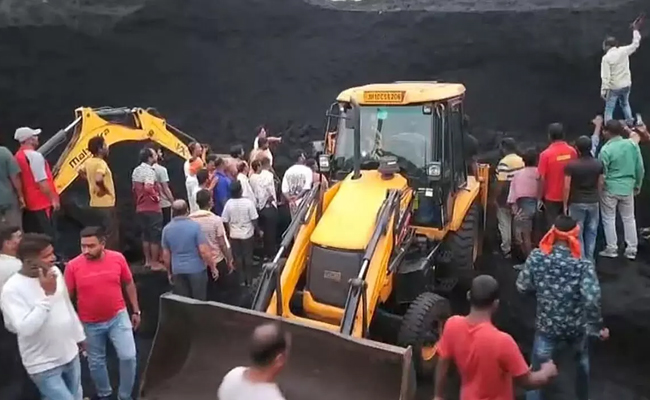
Dhanbad (Jharkhand) (PTI): At least four workers died after being buried under coal slurry in Jharkhand's Dhanbad district on Saturday, a police official said.
The incident took place at Moonidih coal washery in the command area of Bharat Coking Coal Limited (BCCL).
"Bodies of all four workers were dug out of debris during a rescue operation," Putki police station in-charge Waqar Hussain told PTI.
The incident took place when coal slurry was being loaded into trucks by workers, during which a large chunk of slurry fell and trapped several workers underneath, officials said.
The deceased have been identified as Manik Bauri, Dinesh Bauri, Deepak Bauri, and Hemlal Gope.
Meanwhile, the family members of the deceased and local villagers placed the bodies in front of the washery gate and began a protest.
They demanded compensation, jobs for dependents and action against those responsible for the incident.
Police and administration officials are trying to pacify the protesters, an official said.