MSF halts medical services in Gaza City as Israeli offensive escalates
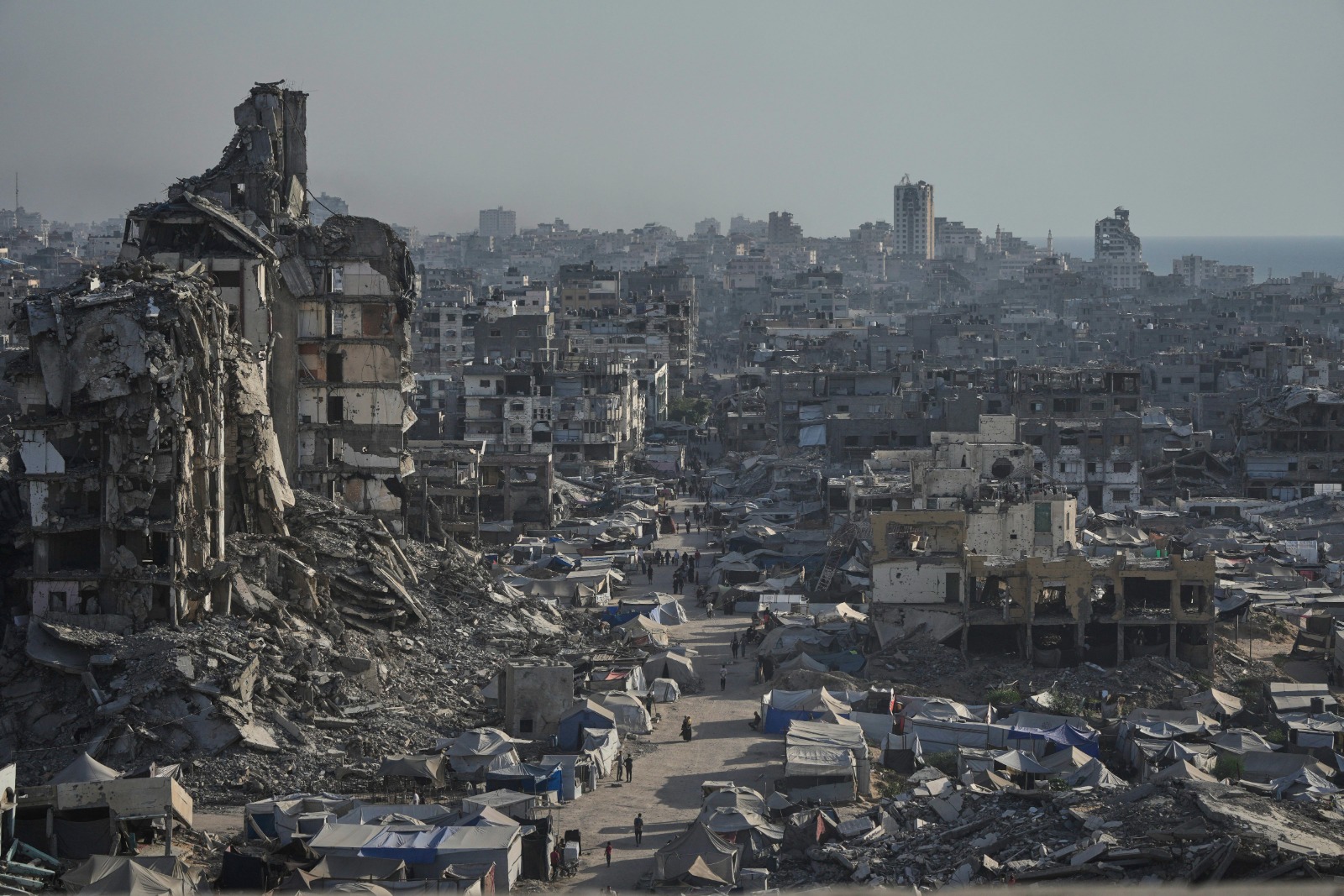
Gaza City: Médecins Sans Frontières (Doctors Without Borders) announced on Friday that it has suspended lifesaving medical activities in Gaza City, citing an “unacceptable level of risk” to staff and patients as Israeli forces intensified their assault.
The humanitarian group said continued airstrikes and advancing tanks less than a kilometre from its healthcare facilities forced the suspension. “We have been left with no choice but to stop our activities, as our clinics are encircled by Israeli forces,” said Jacob Granger, MSF’s emergency coordinator in Gaza.
According to MSF, the halt comes at a critical time when needs are immense. Infants in neonatal care, patients with severe injuries, and people with life-threatening illnesses remain in grave danger. Tens of thousands have fled south following evacuation orders, but hundreds of thousands are still trapped in Gaza City without a safe route out.
Hospitals across the enclave are struggling with shortages of staff, supplies, and fuel, leaving many patients arriving too late and in critical condition. Despite the deteriorating situation, MSF clinics in Gaza City provided more than 3,600 consultations and treated 1,655 cases of malnutrition just last week, alongside trauma, burn, and maternity care.
While suspending activities in Gaza City, MSF said it would continue supporting services at Al-Helou and Al-Shifa hospitals as long as they remain functional. Teams in southern Gaza are still operating at Nasser Hospital in Khan Younis, Al-Aqsa Hospital in the Middle Area, and several field hospitals.
MSF called for an immediate halt to hostilities and urged Israeli authorities to guarantee unhindered humanitarian access. “People in Gaza City have been repeatedly and relentlessly bombed. They are exhausted and are being deliberately deprived of the essentials needed to survive,” the group said.
The ongoing Israeli offensive has killed at least 65,549 people and wounded 167,518 since October 2023, with thousands more believed to be trapped under rubble.
Let the Truth be known. If you read VB and like VB, please be a VB Supporter and Help us deliver the Truth to one and all.
Tribals, Scheduled Castes preserved India's identity and soul despite foreign invasions: Bhagwat
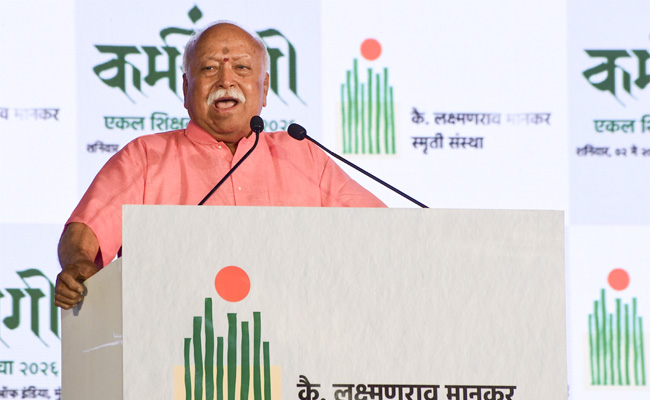
Mumbai (PTI): RSS chief Mohan Bhagwat has said that despite foreign invasions and hardships, tribal communities and Scheduled Castes preserved the country's identity and soul, stressing the need to integrate them into the mainstream development process.
He was speaking on Saturday at the Karmayogi awards ceremony in Mumbai, where Union Road Transport and Highways Minister Nitin Gadkari was also present.
"Human life is defined by giving back to the world, as we are all part of one great family. A person works and spends for the betterment of society, not as a favour, but out of duty. In serving others, we foster our own development. By helping others to thrive, we elevate ourselves and grow as human beings. This principle is the core value of this Indian land, commonly known as a Hindu society," Bhagwat said.
"This is the society's enduring ethos, which has survived for thousands of years. For various reasons, partly because of our indifference and partly because of foreign invasion, those who preserved this ethos paid a heavy price," he said.
The foreign invaders found that this ethos, this value system of the society is its soul and the key to keeping it alive. So they ensured that those who tried to preserve this soul would be uprooted and face extreme hardships, the Rashtriya Swayamsevak Sangh (RSS) chief noted.
But despite foreign invasions and hardships, tribal communities and Scheduled Castes preserved the country's identity and its soul, he said.
"Despite such adversities, the country's core identity remained intact among tribal communities and those belonging to SC and ST groups," he said, emphasising the need to integrate them into the mainstream development process while ensuring they receive equal access to services and facilities.
Referring to global developments, Bhagwat said the present world is "stumbling forward" and struggling to maintain balance, and asserted that India could emerge as a stabilising force.
The country must not only safeguard its own interests but also extend support to the world, he said.
"The world should get to see that the country is not only solving its own misery and sorrow but also helping the world to address similar issues," he said.
The RSS chief stressed that service to society is not a favour but a duty that contributes to one's own development.
Helping others grow also elevates individuals and strengthens the collective fabric of society, he said.
The so-called educated and developed sections have, over time, distanced themselves from these communities, Bhagwat pointed out, and called for the need to bridge this gap.
The identities preserved by these communities represent the true identity of Indian society, he said and underlined that without identity, existence itself is at risk.