NATO, others turn down US call for help in Hormuz: Trump
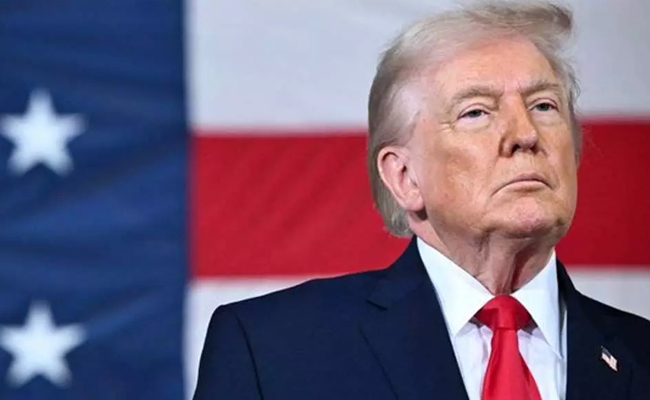
Washington (PTI): President Donald Trump on Tuesday said NATO and most of US' other allies have rejected his calls to help secure the Strait of Hormuz as the war with Iran entered the third week.
In a social media post, Trump asserted that Iran’s military has been “decimated” and he no longer felt the need for assistance from NATO countries or anyone else.
Last week, Trump had sought help from European nations and others who depend on oil supplies transiting from the Hormuz Strait to safeguard the critical waterway.
“The United States has been informed by most of our NATO “Allies” that they don’t want to get involved with our Military Operation against the Terrorist Regime of Iran, in the Middle East, this, despite the fact that almost every Country strongly agreed with what we are doing, and that Iran cannot, in any way, shape, or form, be allowed to have a Nuclear Weapon,” the US President said in a post on Truth Social.
Iran's attacks on Gulf nations and its grip on the Strait of Hormuz, through which a fifth of the world's oil is transported, have sparked increasing concerns of a global energy crisis and are unnerving the world economy.
“I am not surprised by their action, however, because I always considered NATO, where we spend Hundreds of Billions of Dollars per year protecting these same Countries, to be a one-way street — We will protect them, but they will do nothing for us, in particular, in a time of need,” Trump said.
He said Australia, Japan and South Korea too have turned down his call for help.
“Fortunately, we have decimated Iran’s Military – Their Navy is gone, their Air Force is gone, their Anti-Aircraft and Radar is gone and perhaps, most importantly, their Leaders, at virtually every level, are gone, never to threaten us, our Middle Eastern Allies, or the World, again,” Trump said.
He said that given the scale of recent military successes, the US no longer "need" or desires assistance from NATO countries, adding that it never relied on such support in the first place.
Speaking as President of the United States, the "most powerful" country in the world, "we do not need" help from anyone, Trump said.
The West Asia conflict began on February 28 when the US-Israeli combine conducted airstrikes on Iran.
The Strait of Hormuz, the narrow waterway that connects the Persian Gulf to the open ocean, has effectively been shut following the US and Israel attack on Iran and Tehran's sweeping retaliation.
However, Iranian Foreign Minister Abbas Araghchi had said that from Tehran's "perspective", the strait is "open". "It is only closed to Iran's enemies, to those who carried out unjust aggression against our country and to their allies.”
Earlier in the day, a second Indian-flagged LPG tanker, Nanda Devi, reached the country after safely sailing from the war-hit Strait of Hormuz. On Monday, the first ship, Shivalik, reached Mundra port in Gujarat.
As of now, 22 Indian vessels remain on the west side and two on the east side of the strait.
Indian authorities are in constant touch with all the relevant stakeholders in the region to secure the safe passage of the remaining ships, officials said.
Let the Truth be known. If you read VB and like VB, please be a VB Supporter and Help us deliver the Truth to one and all.
Trump says he ‘hasn’t even thought about’ continuing Iran ceasefire
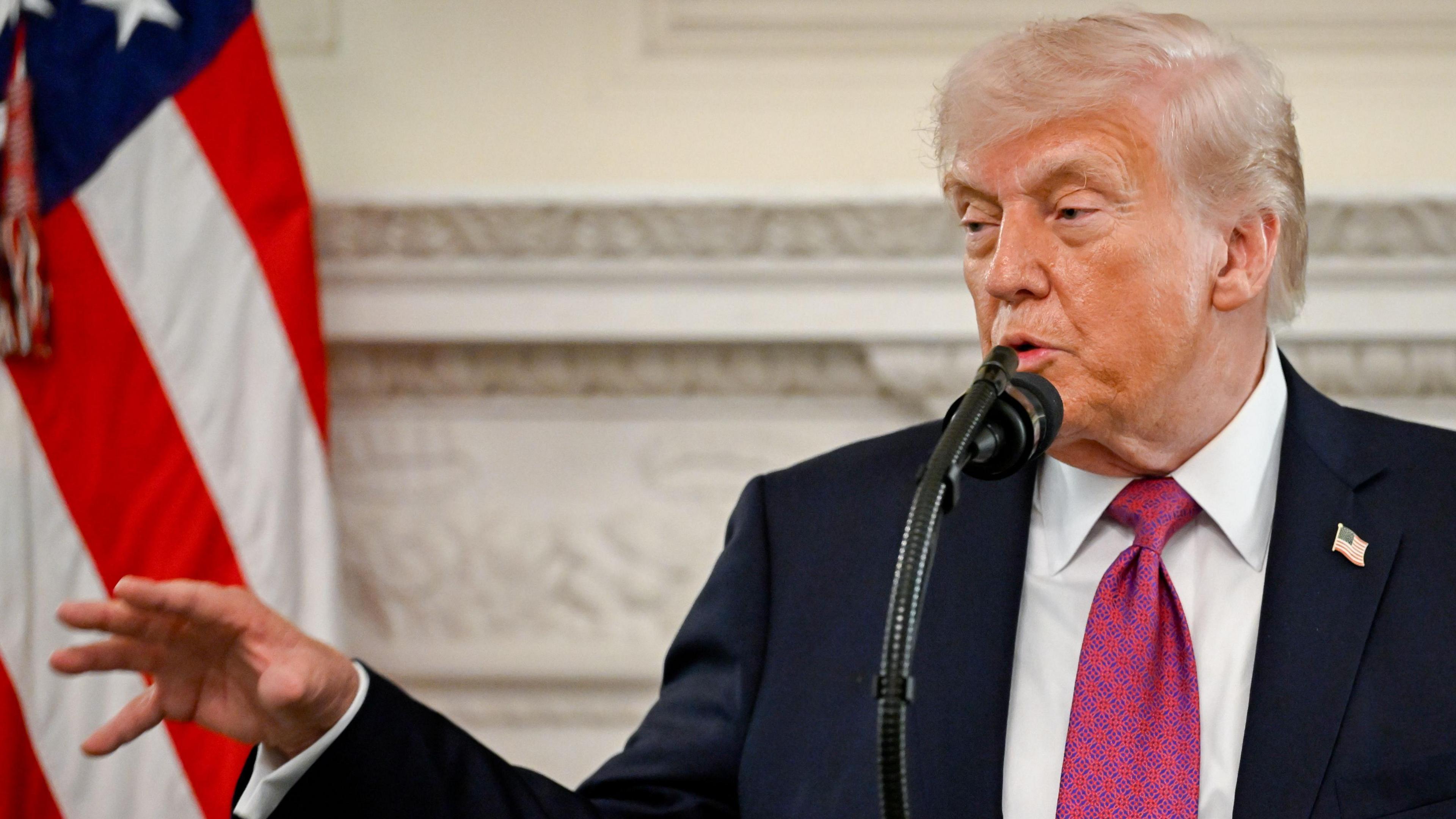
Washington: US President Donald Trump has said he has not yet considered whether he would continue the ceasefire involving Iran, while also claiming the United States holds the advantage in negotiations.
Speaking to reporters, Trump said he was prepared to make a deal with “whoever is running the show” in Iran.
“They are fighting with each other, there’s tremendous infighting. They’re probably fighting for leadership in many cases. I think they’re fighting not to be leader because we knocked out two levels of leaders,” he said.
Trump added, “When they want they can call me. We have all the cards, we’ve won everything.”
Referring to ongoing negotiations, he said, “They gave us a paper that should’ve been better. And, interestingly, immediately when I cancelled it [envoy trip to Pakistan], within 10 minutes we got a new paper that was much better.”
“We talked about they will not have a nuclear weapon, very simple … They offered a lot, but not enough,” he added.
When asked whether he would continue the ceasefire, Trump replied, “I haven’t even thought about it.”
The remarks come as uncertainty remains over the future of the temporary truce and broader negotiations between Washington and Tehran.