Nepal to restrict Mt Everest to only those who have done 7k mtrs climbs
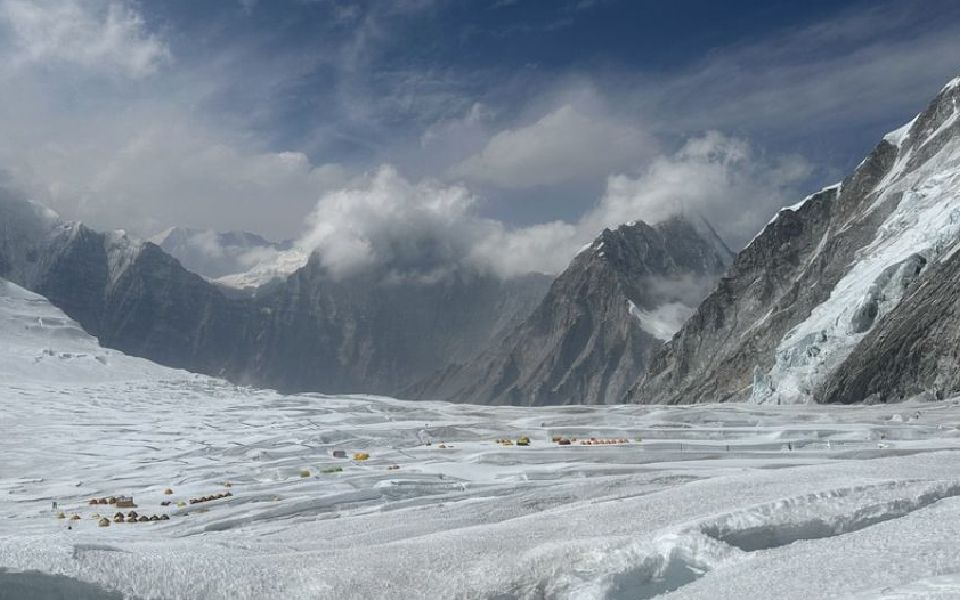
Kathmandu, Apr 29 (PTI): Nepal is planning to restrict expeditions to Mt Everest only to those mountaineers who have climbed at least one peak above 7,000 metres aimed at reducing deaths in the high altitude zone, a media report said.
Ever since New Zealander Edmund Hillary and Nepal’s Sherpa Tenzing Norgay summited the 8,849 metres (29,032 feet) high Mt Everest, popular as Sagarmatha in Nepali, on May 29, 1953, thousands of climbers from all over the world, including India and Nepal, have been attracted to the highest peak in the world.
Official data shows that since 1953’s Hillary-Norgay summit, around 9,000 mountaineers have successfully scaled Mt Everest while over 300 have lost their lives.
“The 8,848.86-metre Everest is about to get a stricter gatekeeper. No longer will just any climber with ambition and a permit be able to attempt the world’s highest peak. A new draft law says: 'Prove yourself first'.
“According to the Integrated Tourism Bill registered in the upper house of Parliament on April 18, any climber wishing to set foot on Everest must first have conquered a mountain over 7,000 metres,” The Kathmandu Post said.
Pointing out that this spring alone, more than 400 enthusiasts have been granted permission for the Everest climbing and the number will likely increase to at least 500, a leader in the Kathmandu Post on Tuesday said: Such high numbers, no matter how beneficial for Nepal’s economy, have a darker side: unusual traffic jams, an increase in the deaths of climbers (for instance, 17 deaths in 2023 and eight in 2024), rapid glacier melt and the spreading image of Everest as the “world’s highest garbage dump”.
Among the many restrictions mentioned in the Bill, health checks will be mandatory; climbers will need a certificate from a government-approved medical institution, issued within the past month, to confirm their medical fitness for ascent, and individuals with health complications will be excluded from participating in an expedition.
The bill is still in draft form and must pass through debates in both houses of Parliament with changes likely before the final law is signed off, the newspaper said, adding, “Still, what’s already outlined in the bill paints a clear picture: the government is trying to bring order, accountability, and safety to the mountains.”
Retrieving bodies of those who die on Everest is an expensive and risky operation, often costing anywhere between USD 20,000 and USD 200,000. The new bill proposes better dead body management insurance.
Another top priority for the government is cleaning up Everest and the draft bill replaces the current USD 4,000 refundable garbage deposit with a non-refundable garbage fee, the Kathmandu Post added.
Let the Truth be known. If you read VB and like VB, please be a VB Supporter and Help us deliver the Truth to one and all.
Injured Phil Salt returns home for scans

New Delhi (PTI): Royal Challengers Bengaluru opener Phil Salt has returned to England for scans on a finger injury sustained last month.
The injury has kept Salt out of RCB's last three matches, with compatriot Jacob Bethell stepping in at the top of the order.
The 29-year-old is reported to have "damaged a finger on his left hand" while diving to save a boundary at deep backward square leg during RCB's defeat to Delhi Capitals at the M. Chinnaswamy Stadium on April 18.
"Salt, who is centrally contracted by the ECB, has since returned home at the request of England's management and has undergone scans on his finger," ESPNCricinfo reported.
According to the report, both RCB and Salt are hopeful of a speedy recovery and the opener can return to India later this month.
Salt had enjoyed a strong start to the season, amassing 202 runs in six innings at an impressive strike rate of 168.33.
RCB are currently second on the points table behind Punjab Kings. They take on Lucknow Super Giants (LSG) on Thursday next.