New York Times op-ed editor resigns amid backlash over column against anti-racism protesters
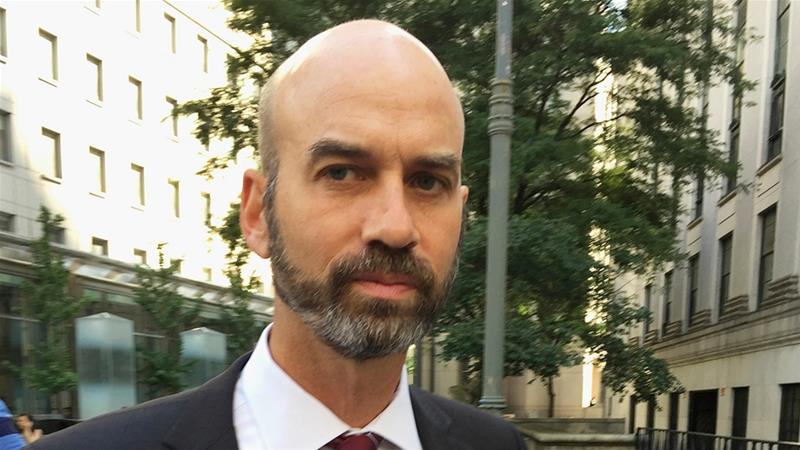
New York: The editorial page head of the New York Times has resigned after his decision to publish an op-ed - by a US senator who called for military force against anti-racism protesters - drew online fury and criticism from many of the paper's staffers.
James Bennet, the editorial page editor since May 2016, faced intense backlash after initially defending the column headlined Send in The Military by Republican US Senator Tom Cotton.
The hardline op-ed - which Bennet initially defended as an example of the newspaper's commitment to ideological diversity - was met with both internal and external outrage.
Cotton's essay encouraged an "overwhelming show of force to disperse, detain and ultimately deter lawbreakers" as anti-racism protests rage across the United States over the police killing of George Floyd, an unarmed Black man, on May 25.
Some 800 Times staffers signed a petition in protest, as many of the paper's employees tweeted: "Running this puts Black @NYTimes staff in danger."
The company's publisher, AG Sulzberger, also initially defended the decision to issue the column but later said the essay fell short of NYT standards.
Bennet also admitted he had not read the column before its publication.
On Sunday, Sulzberger dubbed Bennet "a journalist of enormous talent and integrity" in an NYT statement announcing the resignation.
The statement did not mention the op-ed controversy, but the paper quoted Sulzberger as saying in a note to staff: "Last week we saw a significant breakdown in our editing processes, not the first we've experienced in recent years."
"James and I agreed that it would take a new team to lead the department through a period of considerable change."
The paper named Katie Kingsbury, a Times staffer since 2017, the acting editorial page editor through the November election.
Source: AFP
Let the Truth be known. If you read VB and like VB, please be a VB Supporter and Help us deliver the Truth to one and all.
UP Cong chief Ajay Rai hospitalised after fainting, stable
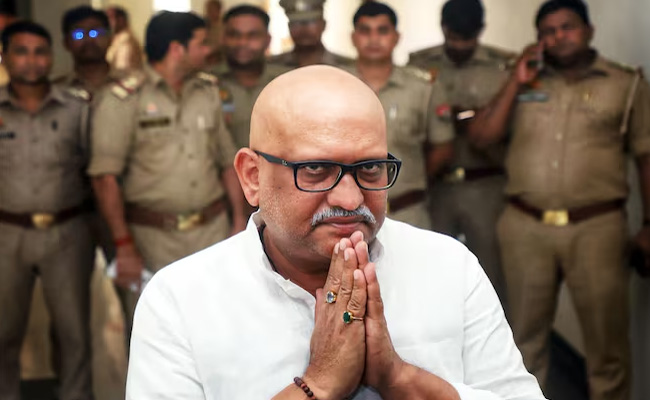
Lucknow (PTI): Uttar Pradesh Congress president Ajay Rai was hospitalised here after he fell unconscious due to low sodium levels, party leaders said on Saturday.
They said he was admitted to Medanta Hospital on Friday evening and is stable.
"Ajay Rai was admitted to Medanta Hospital in Lucknow at around 6 pm on Friday after he fell unconscious as his sodium levels had dropped. He fell unconscious at his residence in Lucknow. For the entire day, he was engaged in party programmes and had also gone to the airport," Uttar Pradesh Congress spokesperson Anshu Awasthi told PTI.
Congress in-charge of Uttar Pradesh Avinash Pande told PTI, "Now, he (Ajay Rai) is stable and I am also reaching Lucknow."
Medanta Hospital Director Dr Rakesh Kapoor told PTI that Rai collapsed at his home on Friday evening and was subsequently admitted to the hospital's emergency ward.
Medical examinations revealed that Rai was suffering from a sodium deficiency and elevated blood pressure. Doctors administered immediate treatment and he is doing significantly better now, Kapoor said.
A team of doctors is monitoring his health. Rai is conversing with others and his condition is stable, he added.
In a post on X late Friday night, Prime Minister Narendra Modi wished Rai a speedy recovery.
Rai hails from Varanasi and had contested the 2024 Lok Sabha elections against Modi from the parliamentary constituency. The Congress appointed him as the Uttar Pradesh unit chief in 2023.