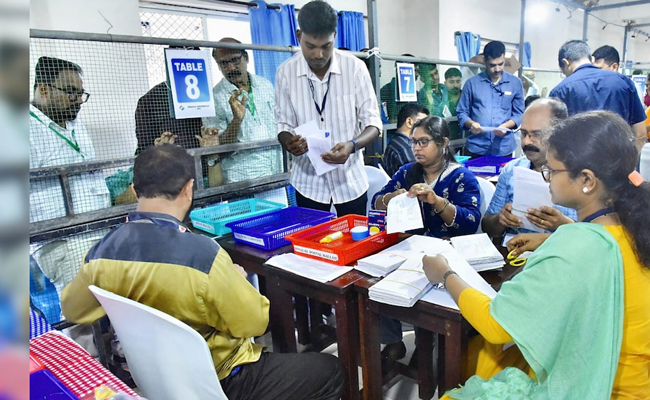
New Zealand reports 1st virus vaccine death
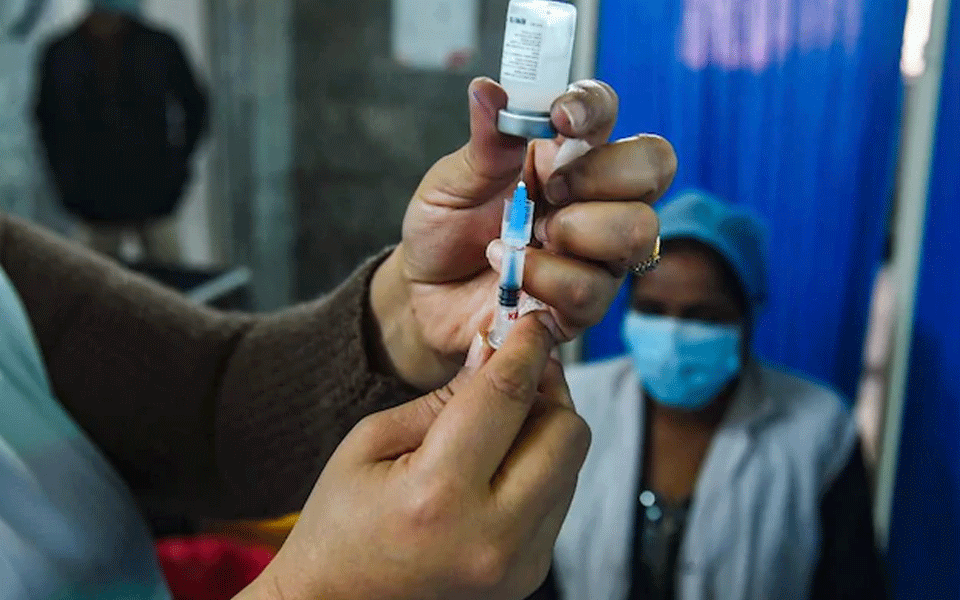
Wellington (AP): New Zealand has reported its first coronavirus vaccine death.
A health board that monitors vaccine safety said Monday a woman died from myocarditis after taking the Pfizer vaccine. The board said the woman likely developed the condition because of the vaccine, although she had other medical issues which may have contributed.
Director-General of Health Ashley Bloomfield said myocarditis was a very rare side effect and there was clear evidence that taking the vaccine was much safer than being infected with COVID-19.
Health authorities have so far administered vaccines to more than 2 million New Zealanders. The board declined to answer questions from The Associated Press, including the woman's age and the date of her death, citing protocol because a medical examiner, known as a coroner, is investigating the case further.
Also Monday, New Zealand Prime Minister Jacinda Ardern said Auckland would remain in strict lockdown for at least two more weeks and the rest of the country for at least one more week, but with slightly fewer restrictions, as the nation battles an outbreak of the delta variant.
Let the Truth be known. If you read VB and like VB, please be a VB Supporter and Help us deliver the Truth to one and all.
Hindus have consolidated, BJP will cross 135 seats in WB: Suvendu Adhikari after early trends
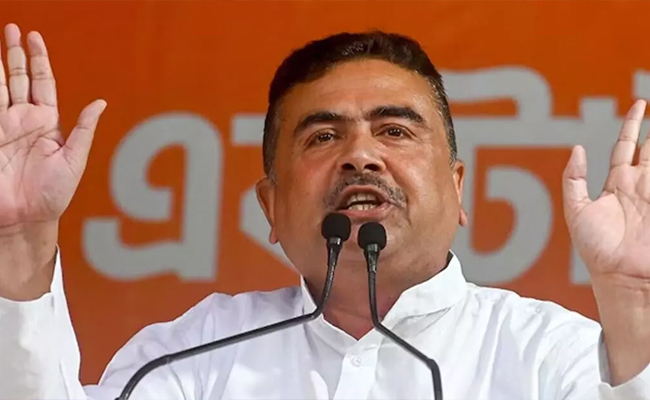
Kolkata: Suvendu Adhikari on Monday said he was confident that the Bharatiya Janata Party would form the government in West Bengal as early counting trends began to emerge.
Speaking after initial trends in the ongoing vote counting, Adhikari said the party was expecting to win more than 135 seats in the state.
He also claimed that Hindu votes had consolidated in favour of the BJP, which, according to him, would translate into victory for the party.
Counting of votes is currently underway, and official results are awaited.