Nuclear-armed nations are deepening their reliance on their nuclear weapons, watchdog finds
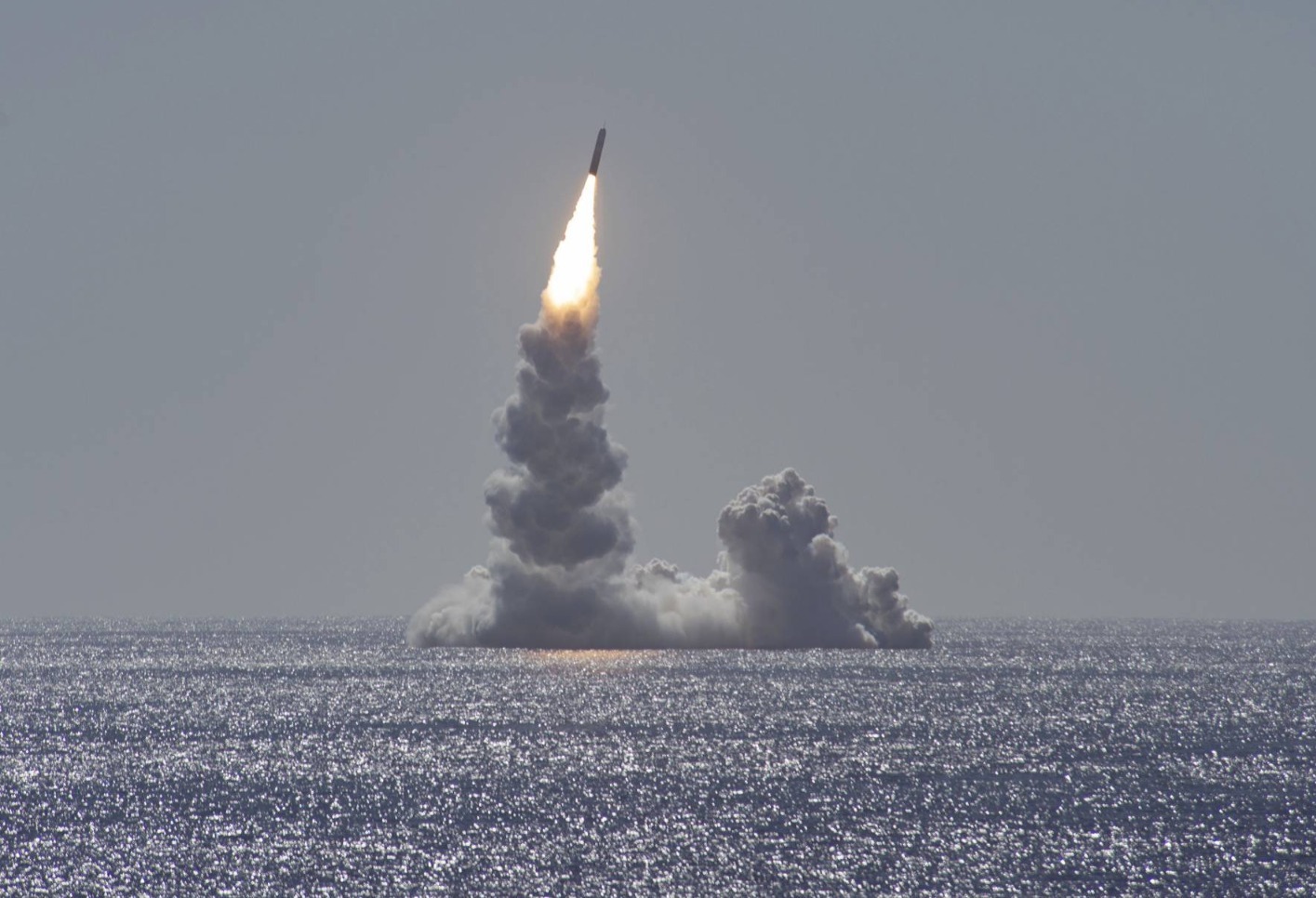
Copenhagen/Denmark (AP): The world's nine nuclear-armed states continue to modernise their nuclear weapons as the countries deepened their reliance on such deterrence in 2023, a Swedish think tank said on Monday.
“We have not seen nuclear weapons playing such a prominent role in international relations since the Cold War,” said Wilfred Wan, director of the Stockholm International Peace Research Institute's weapons of mass destruction programme.
Earlier this month, Russia and its ally Belarus launched a second stage of drills intended to train their troops in tactical nuclear weapons, part of the Kremlin's efforts to discourage the West from ramping up support for Ukraine.
In a separate report, the International Campaign to Abolish Nuclear Weapons, ICAN, said the nine nuclear-armed states spent a combined total of USD 91.4 billion on their arsenals in 2023 – equivalent to USD 2,898 per second.
The Geneva-based coalition of disarmament activists won the Nobel Peace Prize in 2017.
The group said that figures show a USD 10.7 billion increase in global spending on nuclear weapons in 2023 compared to 2022, with the United States accounting for 80 per cent of that increase. The US share of total spending, USD 51.5 billion, is more than all the other nuclear-armed countries put together.
“There has been a notable upward trend in the amount of money devoted to developing these most inhumane and destructive of weapons over the past five years,” said Alicia Sanders-Zakre, Policy and Research Coordinator with ICAN.
The next biggest spender was China at USD 11.8 billion, she said, with Russia spending the third largest amount at USD 8.3 billion.
“All this money is not improving global security, in fact it's threatening people wherever they live,” Sanders-Zakre said.
SIPRI estimated that some 2,100 of the deployed warheads were kept in a state of high operational alert on ballistic missiles, and nearly all belong to Russia or the USA. However, it said that China is also believed to have some warheads on high operational alert for the first time.
“Regrettably we continue to see year-on-year increases in the number of operational nuclear warheads,” said Dan Smith, SIPRI's director. He added that the trend will likely accelerate in the coming years “and is extremely concerning”.
Russia and the United States have together almost 90 per cent of all nuclear weapons, SIPRI said. The sizes of their military stockpiles seem to have remained relatively stable in 2023, although Russia is estimated to have deployed around 36 more warheads with operational forces than in January 2023, the watchdog added.
In its SIPRI Yearbook 2024, the institute said that transparency regarding nuclear forces has declined in both countries in the wake of Russia's full-scale invasion of Ukraine in February 2022, and debates around nuclear-sharing arrangements have increased in importance.
Washington suspended its bilateral strategic stability dialogue with Russia, and last year Moscow announced that it was suspending its participation in t he New START nuclear treaty.
Of the total global inventory of an estimated 12,121 warheads in January, about 9,585 were in military stockpiles for potential use. An estimated 3,904 of those warheads were deployed with missiles and aircraft — which is 60 more than in January 2023 — and the rest were in central storage.
In Asia, India, Pakistan and North Korea are all pursuing the capability to deploy multiple warheads on ballistic missiles, the institute said. The United States, Russia, France, UK and China already have that capacity, enabling a rapid potential increase in deployed warheads, as well as the possibility for nuclear-armed countries to threaten the destruction of significantly more targets.
SIPRI stressed that all estimates were approximate, and the institute revises its world nuclear forces data each year based on new information and updates to earlier assessments.
Let the Truth be known. If you read VB and like VB, please be a VB Supporter and Help us deliver the Truth to one and all.
11-year-old dies by suicide after sexual assault in Bareilly; accused arrested

Bareilly (UP) (PTI): A 26-year-old man has been arrested for allegedly sexually assaulting an 11-year-old girl, who later died by suicide due to trauma, police said on Wednesday.
The post-mortem report confirmed sexual assault and multiple injuries on the minor's body, including bite marks and nail scratches. The cause of death was found to be hanging, they said.
According to ASP (South) Anshika Verma, the incident came to light on 27 April, when the girl, a Class 8 student, was found hanging at her home in Deoria Abdullaganj village under the Mirganj police station area. Initially, the family reported the death as suicide and was reluctant to pursue police action.
"The autopsy report changed the course of the investigation. It confirmed sexual assault and noted severe physical trauma. The cause of death was confirmed as hanging," Verma said.
A breakthrough in the case came from the statement of the victim's younger sister, who told police that the accused, Zeeshan (26), a resident of the same village, frequently loitered near the minor's school and allegedly gave her small sums of money to keep his interactions with her a secret, she said.
Police said that on the day of the incident, the accused allegedly lured the minor and assaulted her. Distressed by the incident, the child later took her own life while her mother was away, police said.
"Based on technical surveillance, CCTV footage, and statements from the family, we established Zeeshan's involvement. He was arrested near the Mirganj weekly market on Tuesday," they said.