OpenAI whistleblower Suchir Balaji found dead in US apartment
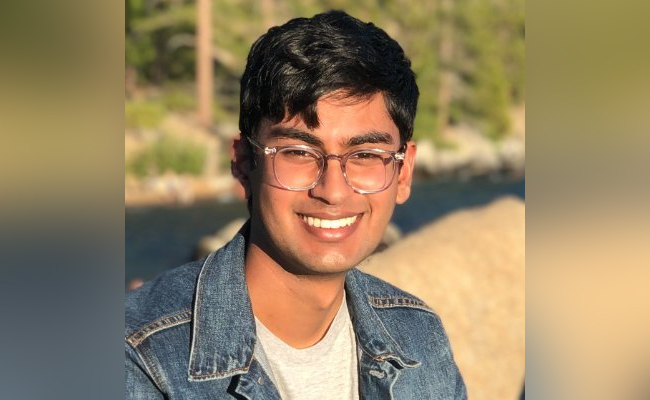
San Francisco: Suchir Balaji, a former Artificial Intelligence (AI) researcher at OpenAI, was found dead in his Buchanan Street apartment on November 26. The 26-year-old, who reportedly died by suicide, was known for his criticisms of OpenAI’s practices and his allegations of copyright violations by the company.
The San Francisco Police Department stated that their initial investigation found no evidence of foul play. Balaji had worked with OpenAI from November 2020 to August 2024, as per his LinkedIn profile.
Billionaire Elon Musk, who has had a contentious relationship with OpenAI CEO Sam Altman, responded cryptically to the news on X (formerly Twitter) with a post that simply read "hmm."
— Elon Musk (@elonmusk) December 14, 2024
In October, Balaji had publicly accused OpenAI of breaching copyright laws and criticised generative AI products like ChatGPT for potentially harming the internet and violating fair use principles. Speaking to The New York Times, he urged others to leave the company if they shared his beliefs.
In a detailed blog post, Balaji had dissected the fair use doctrine, arguing that ChatGPT and similar products do not pass the four-factor test for fair use, especially in their impact on the market value of copyrighted works. He noted, "None of the four factors seem to weigh in favour of ChatGPT being a fair use of its training data."
Balaji was involved in AI research for four years, including work on ChatGPT for a year and a half. He had raised concerns about generative AI substituting original data, leading to legal and ethical questions. His public statements had sparked discussions on the implications of generative AI on copyright and internet use.
I recently participated in a NYT story about fair use and generative AI, and why I'm skeptical "fair use" would be a plausible defense for a lot of generative AI products. I also wrote a blog post (https://t.co/xhiVyCk2Vk) about the nitty-gritty details of fair use and why I…
— Suchir Balaji (@suchirbalaji) October 23, 2024
Let the Truth be known. If you read VB and like VB, please be a VB Supporter and Help us deliver the Truth to one and all.
“Goli maro…” slogan raised as ABVP-linked group disrupts play at University of Hyderabad
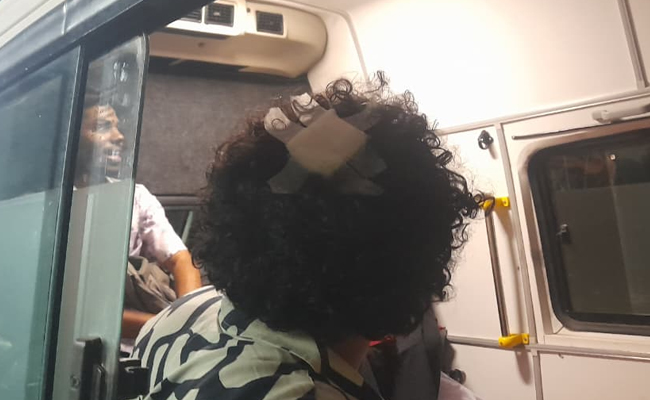
Hyderabad: A group allegedly linked to the Akhil Bharatiya Vidyarthi Parishad (ABVP) disrupted a theatre performance at the University of Hyderabad on Sunday evening. The group is also accused of vandalising property and assaulting students.
Slogans such as “Desh ke gaddaron ko, goli maro…” were raised during the incident, according to eyewitnesses.
According to the Observer Post, the disruption happened as Mahesh Elkunchwar's play Holi was being staged at the Department of Theatre Arts' GB Hall. The group reportedly objected to certain portions of the play, claiming that some phrases hurt religious sentiments.
According to accounts from those present, the situation escalated when individuals forced their way into the venue after damaging fixtures and breaking glass panels outside the auditorium. Students attempting to intervene were reportedly assaulted, and a guest faculty member was allegedly threatened.
Several students sustained injuries and were provided initial treatment at the campus health centre before being shifted to a nearby hospital.
Police later arrived at the scene, brought the situation under control, and escorted those inside the hall to safety. Witnesses said tensions remained high, with some members of the group continuing to raise slogans during the evacuation.