Pak, Afghan agree on ceasefire, to set up mechanisms for lasting peace
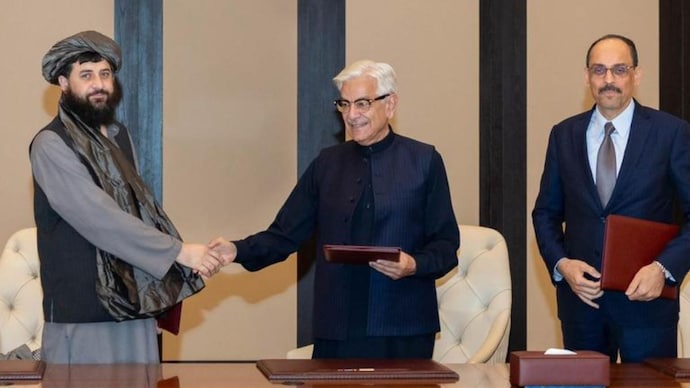
Islamabad (PTI): Pakistan and Afghanistan have agreed to an immediate ceasefire and setting up of "mechanisms" to ensure lasting peace after days of violent clashes along the border that left several soldiers, civilians, and terrorists dead on both sides, officials said on Sunday.
The breakthrough came following negotiations between Pakistan's Defence Minister Khawaja Asif and Afghanistan's acting Defence Minister Mullah Yaqoob in Doha, facilitated by Qatar and Turkiye, according to a statement issued by Qatar’s Foreign Ministry.
“During the negotiation, both sides agreed to an immediate ceasefire and establishment of mechanisms to consolidate lasting peace and stability between the two countries,” the statement read.
The two neighbours also agreed to hold "follow-up meetings" in the coming days to ensure the "implementation" and "sustainability" of the truce "in a reliable and sustainable manner" to achieve security and stability in both countries, it said.
The development comes amid heightened tensions along the Pak-Afghan border, triggered by cross-border clashes after alleged Pakistani airstrikes near Kabul last week.
The Doha talks began on Saturday with Pakistan urging the Afghan Taliban authorities to take "verifiable action" against the Tehreek-i-Taliban Pakistan (TTP), which Islamabad accuses of launching cross-border terrorist attacks from Afghan soil.
The Foreign Office in a statement on Saturday said Pakistan had stressed the need for the Afghan authorities to honour their "commitments to the international community" and to address Islamabad's "legitimate security concerns" by taking verifiable action against terrorist entities.
“Pakistan appreciates the mediation efforts of Qatar and hopes these discussions contribute to peace and stability in the region,” it said.
Relations between Pakistan and Afghanistan have remained strained since 2023, with Islamabad repeatedly raising concerns over the use of Afghan soil by militants carrying out cross-border attacks.
The situation further deteriorated following repeated terrorist attacks by TTP, including one in the restive Khyber Pakhtunkhwa's Orakzai district recently, which claimed the lives of 11 military personnel, including a Lt Colonel and a Major.
The Foreign Office on Wednesday announced that a temporary ceasefire had been agreed with Afghanistan for the next 48 hours amid the recent border hostilities. Later on Friday, the ceasefire was extended.
However, hours after Islamabad and Kabul extended their two-day ceasefire, Pakistan launched fresh air strikes targeting terrorist hideouts in Afghanistan late Friday. Three Afghan cricketers were among several people killed in the strikes, which followed a terror attack at a military installation in North Waziristan, claimed by TTP.
Following the incident, the Afghanistan Cricket Board withdrew from participating in the upcoming Tri-Nation T20I Series involving Pakistan, scheduled to be played in late November.
On Saturday, Army chief Field Marshal Syed Asim Munir warned Afghanistan to choose between "peace and chaos" as it asked Kabul to take firm and immediate action against terrorists using Afghan soil to launch attacks inside Pakistan.
Let the Truth be known. If you read VB and like VB, please be a VB Supporter and Help us deliver the Truth to one and all.
4 workers die after being buried under coal slurry in Jharkhand's Dhanbad
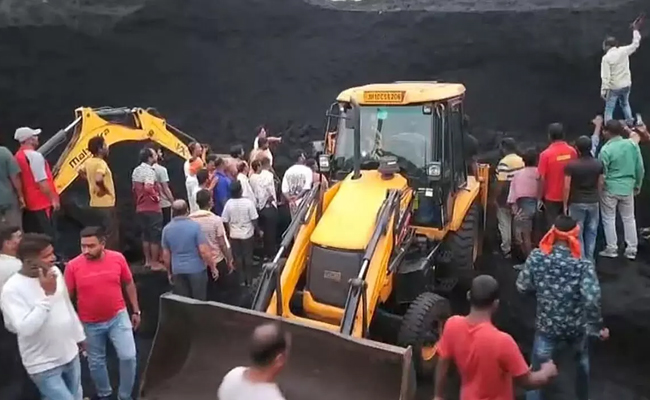
Dhanbad (Jharkhand) (PTI): At least four workers died after being buried under coal slurry in Jharkhand's Dhanbad district on Saturday, a police official said.
The incident took place at Moonidih coal washery in the command area of Bharat Coking Coal Limited (BCCL).
"Bodies of all four workers were dug out of debris during a rescue operation," Putki police station in-charge Waqar Hussain told PTI.
The incident took place when coal slurry was being loaded into trucks by workers, during which a large chunk of slurry fell and trapped several workers underneath, officials said.
The deceased have been identified as Manik Bauri, Dinesh Bauri, Deepak Bauri, and Hemlal Gope.
Meanwhile, the family members of the deceased and local villagers placed the bodies in front of the washery gate and began a protest.
They demanded compensation, jobs for dependents and action against those responsible for the incident.
Police and administration officials are trying to pacify the protesters, an official said.