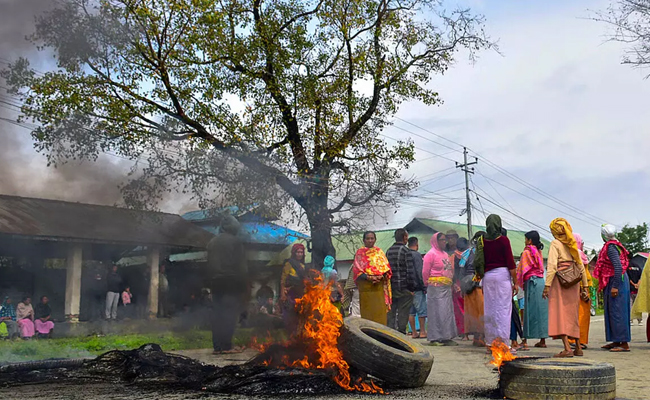
Pak, Afghan forces trade fire along Chaman border: Report
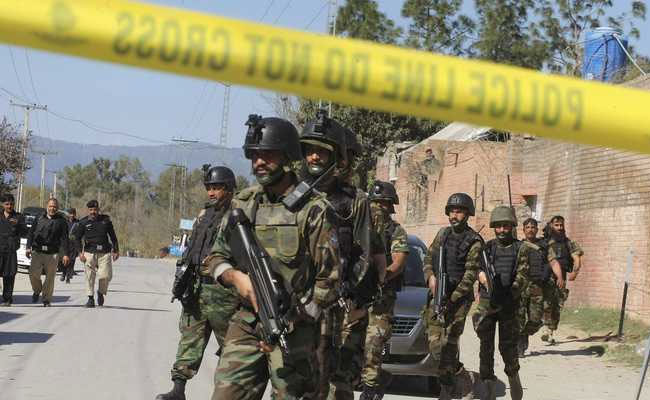
Islamabad (PTI): A heavy exchange of fire between Pakistani and Afghan forces was reported from the key Chaman border, according to a media report on Saturday.
Injuries were reported from the district hospital, but no fatalities occurred, the Dawn newspaper reported.
Officials from both sides accused each other of instigating the flare-up late on Friday night across the border in the Balochistan province.
While Pakistani officials said that Afghan forces had fired mortar shells on the Badani area, Afghan Taliban spokesperson Zabihullah Mujahid claimed it was Pakistan that launched an attack on Spin Boldak, alleging that their forces were responding.
Pakistan's official sources told Dawn that Pakistani forces retaliated against the Afghan aggression and returned fire.
There were also reports of fighting on the Chaman-Kandahar highway, but these could not be immediately verified.
A senior official in Quetta confirmed on condition of anonymity that the exchange of fire started around 10 pm and continued until late at night.
The medical superintendent of Chaman district hospital said that three injured, including a woman, were brought to the medical facility.
There was neither any official word from the Inter-Services Public Relations -- Pakistan Army's media wing -- nor from the Foreign Office.
The Chaman border crossing, also known as Friendship Gate, connects Balochistan province to Afghanistan’s Kandahar.
Relations between Pakistan and Afghanistan have deteriorated amidst regular allegations by Pakistan regarding the failure of the Afghan regime to deny safe havens to Tehreek-e-Taliban Pakistan terrorists.
The two countries had agreed on a ceasefire following tensions last month, but the Foreign Office said last month that technically there was no truce as it was contingent on the Afghan Taliban stopping terrorist attacks in Pakistan, which they had failed to do.
Let the Truth be known. If you read VB and like VB, please be a VB Supporter and Help us deliver the Truth to one and all.
EC orders repoll in all 285 polling stations of Falta seat in West Bengal on May 21
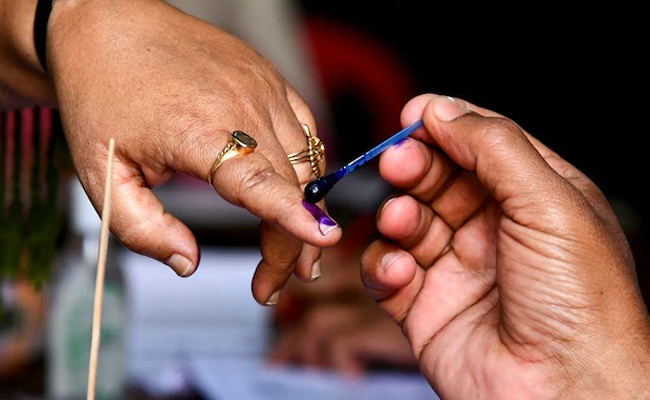
New Delhi (PTI): In a rare move, the Election Commission (EC) on Saturday ordered a "fresh" election or a repoll in all the 285 polling stations of the Falta Assembly seat in West Bengal on May 21 due to "subversion of democratic process".
A spokesperson for the poll panel said the counting of votes for the constituency will take place on May 24.
It is rare for the poll authority to order a re-election in an entire Assembly seat.
A fresh poll is a repoll, an official explained.
"On consideration of severe electoral offences and subversion of democratic process during the polling in a large number of polling stations on April 29 in Falta Assembly Constituency, EC directs that fresh poll shall be conducted in all the 285 polling stations, including auxiliary polling stations," the spokesperson said.
On Friday, the EC ordered a re-election in 15 polling stations of two Assembly seats in West Bengal -- Diamond Harbour and Magrahat Paschim.
The West Bengal Assembly polls were held in two phases on April 23 and April 29. The counting of votes for the remaining seats is scheduled to be taken up on May 4.