Pakistan Cabinet rejects proposal to import cotton and sugar from India: Minister Shireen Mazari
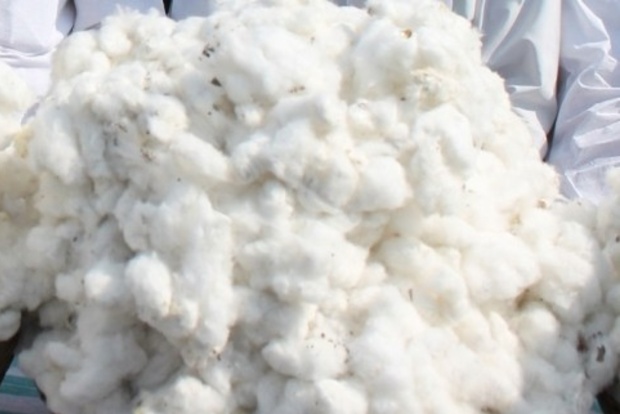
Islamabad, Apr 1: In a volte-face, Pakistan's Cabinet on Thursday rejected a proposal of its Economic Coordination Committee (ECC) to import cotton and sugar from India, according to a Cabinet minister.
"Cabinet stated clearly NO trade with India," Minister for Human Rights Shireen Mazari said in a tweet soon after a Cabinet meeting chaired by Prime Minister Imran Khan on Thursday.
"PM made clear there can be no normalisation of relations with India until they reverse" their actions viz Kashmir of August 5 2019, tweeted Mazari, who is known for her hawkish stand on Kashmir.
The Cabinet decision comes a day after Pakistan's new Finance Minister Hammad Azhar on Wednesday announced that the country will lift a nearly-two year long ban on the import of cotton and sugar from India after a meeting of the ECC chaired by him.
Ahead of the Cabinet meeting, Mazari had said that all ECC decisions have to be approved by Cabinet and only then can they be seen as "approved" by the government.
"Just for the record - All ECC decisions have to be approved by Cabinet & only then they can be seen as "approved by govt"! So today in Cabinet there will be discussion on ECC decisions incl trade with India & then govt decision will be taken! Media shd be aware of this atleast!" Mazari tweeted.
Azhar's announcement on Wednesday to import cotton and sugar from India had raised hopes of a partial revival of bilateral trade relations, which were suspended after the August 5, 2019 decision of New Delhi to revoke the special status of Jammu and Kashmir.
India is the world's biggest producer of cotton and the second biggest sugar manufacturer.
In May 2020, Pakistan had lifted the ban on import of medicines and raw material of essential drugs from India amid the Covid-19 pandemic.
Ties between India and Pakistan nose-dived after a terror attack on the Pathankot Air Force base in 2016 by terror groups based in Pakistan. Subsequent attacks, including one on an Indian Army camp in Uri, further deteriorated the relationship.
The ties strained further after India's war planes pounded a Jaish-e-Mohammed terrorist training camp deep inside Pakistan on February 26, 2019 in response to the Pulwama terror attack in 2019 in which 40 CRPF jawans were killed.
India's move to revoke the special status of Jammu and Kashmir in August, 2019 angered Pakistan, which downgraded diplomatic ties with India and expelled the Indian High Commissioner in Islamabad. Pakistan also snapped all air and land links with India and suspended trade and railway services.
And today Cabinet stated clearly NO trade with India. PM made clear there can be no normalisation of relations with India until they reverse their illegal actions viz IIOJK of 5 Aug 2019. https://t.co/HDWt3kBM3c
— Shireen Mazari (@ShireenMazari1) April 1, 2021
Let the Truth be known. If you read VB and like VB, please be a VB Supporter and Help us deliver the Truth to one and all.
Allahabad HC orders probe into 'reinstatement' of teacher in UP's Barabanki
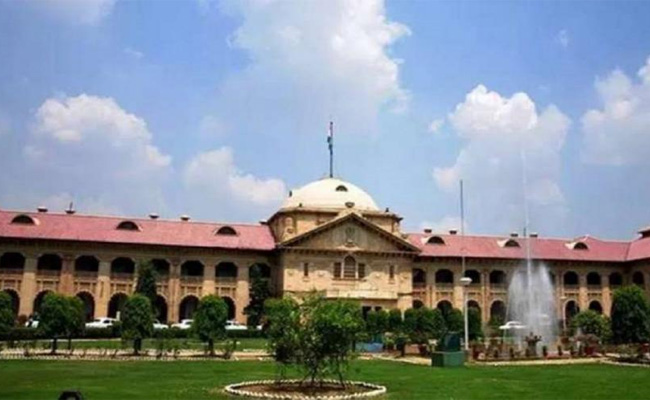
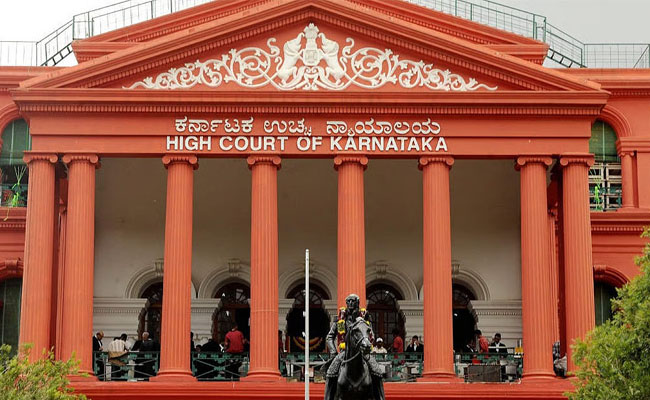
Lucknow (PTI): The Lucknow Bench of the Allahabad High Court on Friday ordered a probe by the special task force (STF) into alleged irregularities in the rejoining of a teacher at City Intermediate College in Barabanki, observing that the reinstatement appeared to be prima facie illegal.
The court also directed the recovery of the salary paid to the teacher during the disputed period.
A bench of Justice Rajeev Singh passed the order on a petition filed by the college management committee. The court expressed doubts over the roles of the District Inspector of Schools (DIOS), Barabanki, the college principal and the teacher concerned and hence, directed a detailed inquiry into the matter.
Taking note of alleged manipulation of records and misleading submissions, the court ordered the immediate transfer of the Barabanki DIOS to ensure a fair probe. It also directed the initiation of disciplinary proceedings against the then joint director of education of the Ayodhya division.
In its order, the court found that the teacher, Abhay Kumar, was initially appointed as an assistant teacher in 2018 but joined an Eklavya Model Residential School in Chhattisgarh as a lecturer in June 2024 without obtaining permission from the management. His subsequent request to retain the lien was rejected.
Despite this, he was allowed to rejoin the Barabanki College in September 2025 on the directions of the joint director of education and the DIOS, and was even paid the salary for October 2025. The court termed the rejoining "wholly illegal" and lacking any legal basis.
The bench also expressed concern over lapses in communication within the education department and directed the Uttar Pradesh chief secretary to ensure that official orders are communicated through email and WhatsApp as well, to prevent disputes.
The matter is next listed for hearing on May 28 when a compliance report is sought.