Pakistan may import tomato and onion from India amid huge surge in vegetable prices due to floods
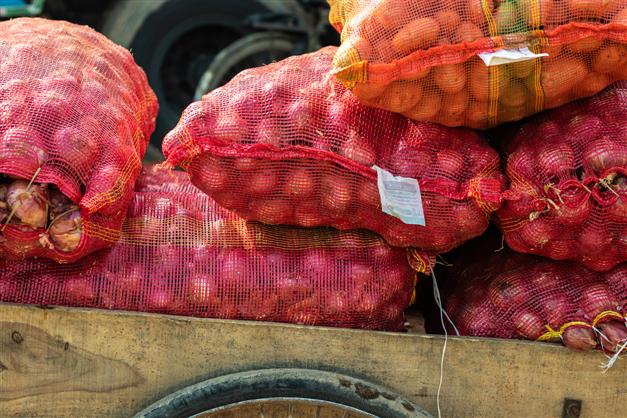
Lahore, Aug 28: Amid massive surge in the prices of various vegetables and fruits in Lahore and other parts of Punjab province due to devastating floods, the Pakistan government may import tomato and onion from India, according to the market dealers here.
"On Sunday, per kilogram of tomato and onion were available in Lahore's markets at around Rs500 and Rs400 respectively. However, in Sunday markets both commodities were available at Rs 100 per kg less than that of those available in regular markets," Jawaad Rizvi, a wholesale dealer of Lahore market, told PTI.
He said that in the coming days the prices of commodities will increase further as the supply of vegetables from Balochistan, Sindh and south Punjab has badly been affected because of floods.
"In the coming days, onion and tomato per kg prices may cross Rs700. Similarly, potato price has increased from Rs40 per kg to Rs120kg," Rizvi said.
In the markets, the short supply of vegetables is because of destruction of the crops on thousands of acres by the floods in Balochistan and Sindh.
It is learnt the federal government is considering the option to import onion and tomato from India through Wagah border.
Currently, Lahore and other cities of Punjab are getting the supply of tomato and onion from Afghanistan via the Torkham border.
"One hundred containers of tomato and around 30 of onion are being received at Torkham border daily, out of which two containers of tomato and one of onion is being brought to Lahore city on a daily basis and the number of containers is absolutely too short to meet the demand in the provincial capital of Punjab, according to Lahore Market Committee Secretary Shehzad Cheema.
He said vegetables like capsicum or bell pepper are also short in the market due to the floods.
Cheema said the government would eventually import onion and tomato from India.
He said import of vegetables from Iran via Taftan border (Balochistan) was not viable as the Iranian government had increased taxes on its imports and exports.
He said the prices of date palm and banana would also go up in the coming days as most of the orchards in Sindh had been destroyed by the floods. Apple supply from Balochistan or other areas had also been stopped due to flooding.
According to officials, floods have claimed over 1,030 lives so far, with 74 deaths reported in Sindh, 31 in Khyber Pakhtaunkhawa, six in Gilgit-Baltistan (G-B), four in Balochistan and one in Punjab.
Let the Truth be known. If you read VB and like VB, please be a VB Supporter and Help us deliver the Truth to one and all.
Four children drown in lake while trying to catch ducks in Chikkamagaluru

Chikkamagaluru: Four children drowned in a lake in Aralaguppe village after reportedly going to catch ducks, police said.
The deceased have been identified as Mahdia, Arunus, Nayus, and Abdul Rehman. The children were aged between 5 and 14 years. Another child, Armaan (4), escaped unhurt.
Police said the incident occurred at Karanji Lake in Aralaguppe village. Rural police visited the spot and are investigating the case. A case has been registered at the local rural police station.