Pakistan offers relief materials to India to help fight COVID-19
Islamabad: Pakistan has offered to provide relief support, including ventilators, to India to help the country fight the deadly wave of COVID-19 and said the two countries can explore possible ways of further cooperation to mitigate the challenges posed by the pandemic.
The Foreign Office in a statement late Saturday night said Pakistan was ready to send specific items quickly once the modalities were worked out.
As a gesture of solidarity with the people of India in the wake of the current wave of COVID-19, Pakistan has offered to provide relief support to India including ventilators, Bi PAP, digital X ray machines, PPEs and related items, according to the statement.
It said that the authorities concerned of Pakistan and India can work out modalities for quick delivery of the relief items. They (authorities) can also explore possible ways of further cooperation to mitigate the challenges posed by the pandemic, it said.
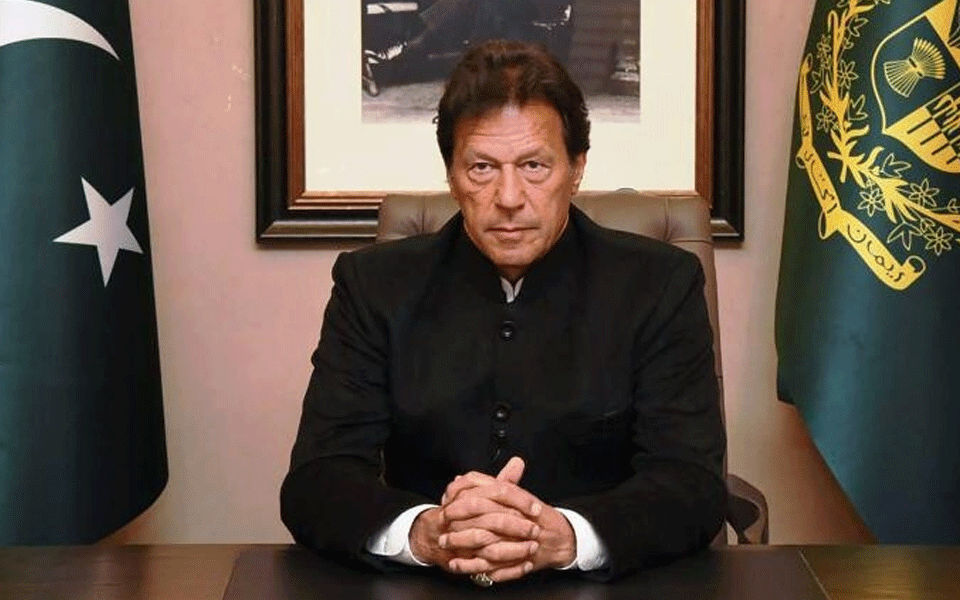
The offer was made after Prime Minister Imran Khan expressed solidarity with the people of India battling the deadly wave of the pandemic, saying we must fight this global challenge confronting humanity together .
In a tweet, Khan said: Our prayers for a speedy recovery go to all those suffering from the pandemic in our neighbourhood and the world .
I want to express our solidarity with the people of India as they battle a dangerous wave of COVID-19. We must fight this global challenge confronting humanity together, he said on Twitter.
Several Pakistanis, including political leaders, sports celebrities, took to twitter to offer prayers and good wishes for the people of India.
Hashtags like #pakistanstandwithindia in support of India were trending and twitteratis poured in their ideas for Pakistan and India to come together in the difficult times. Former cricketer Shoaib Akhtar said that it was time to support each other.
India is really struggling with COVID-19. Global support needed. Health care system is crashing. It's a Pandemic, we are all in it together. Must become each other's support, said the fast bowler known as the Rawalpindi Express. The tweets from the Pakistani leaders came amidst some signs of rapprochement in the relations between India and Pakistan over the Kashmir issue.
India's decision to revoke the special status of Jammu and Kashmir in 2019 angered Pakistan, which downgraded diplomatic ties with New Delhi and expelled the Indian High Commissioner in Islamabad. Pakistan also snapped all air and land links with India and suspended trade and railway services.
The militaries of the two countries, in a surprise announcement on February 25, said that they have agreed to strictly observe all agreements on ceasefire along the Line of Control (LoC) in Jammu and Kashmir and other sectors.
Let the Truth be known. If you read VB and like VB, please be a VB Supporter and Help us deliver the Truth to one and all.
Double-decker electric bus gutted in fire at Kurla BEST depot
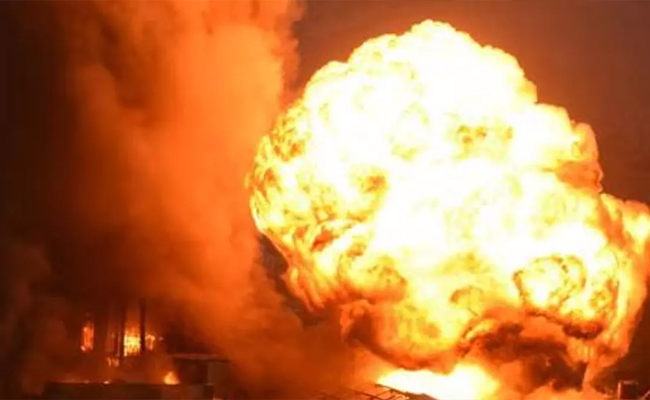
Mumbai (PTI): An empty double-decker electric bus was gutted in a fire during servicing at a BEST depot in Mumbai's Kurla area on Sunday, officials said, adding that nobody was injured.
The blaze broke out inside the Kurla BEST bus depot near Kanakia Building at 4.14 pm, according to preliminary information from the Mumbai Fire Brigade.
The parked bus was unoccupied at the time of the incident.
Fire brigade personnel rushed to the spot and brought the blaze under control. The exact cause of the fire was yet to be ascertained, they said.
No injuries were reported in the incident, officials added.
The Brihanmumbai Electricity Supply and Transport (BEST) Undertaking has hired 50 electric double-decker buses from Switch Mobility in its fleet of around 2,700 buses.