Pakistan reports two more polio cases; Total tally now 52
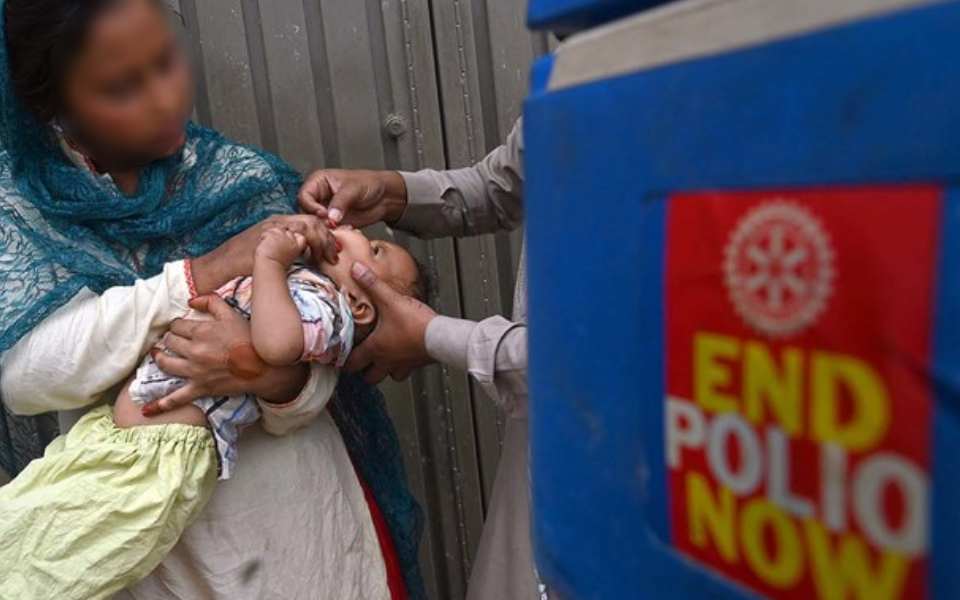
ISLAMABAD: At least two more cases of poliovirus were reported in Pakistan, taking the number of infections to 52 so far this year, a report said on Friday.
“The Regional Reference Laboratory for Polio Eradication at the National Institute of Health has confirmed the detection of two more wild poliovirus type 1 (WPV1) cases in Pakistan," an official statement said.
The fresh infections — a boy and a girl — were reported from the Dera Ismail Khan district of Khyber-Pakhtunkhwa province.
“Genetic sequencing of the samples collected from the children is underway," the statement read. Dera Ismail Khan, one of the seven polio-endemic districts of southern Khyber Pakhtunkhwa province, has reported five polio cases so far this year.
Of the 52 cases in the country this year, 24 are from Balochistan, 13 from Sindh, 13 from Khyber Pakhtunkhwa, and one each from Punjab and Islamabad.
There is no cure for polio. Only multiple doses of the oral polio vaccine and completion of the routine vaccination schedule for all children under the age of five can keep them protected.
Let the Truth be known. If you read VB and like VB, please be a VB Supporter and Help us deliver the Truth to one and all.
2 Indian journalists win Pulitzer Prize for highlighting cyber fraud
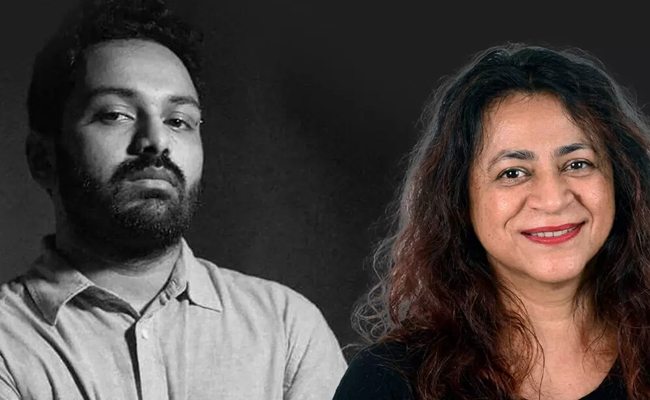
New York (PTI): Indian journalists Anand RK and Suparna Sharma have won the prestigious Pulitzer Prize for their work highlighting digital surveillance and cyber fraud.
Anand and Sharma won the award, announced on Monday, in the Illustrated Reporting and Commentary category. They share the award with Natalie Obiko Pearson of Bloomberg.
According to The Pulitzer Prizes website, the award-winning work titled “trAPPed”, produced for Bloomberg, narrates the "riveting account" of a neurologist in India who was held under a “digital arrest” through her phone, using a blend of "visuals and words" to underscore the "growing global challenges of surveillance and digital scams".
The Pulitzer Prizes, administered by Columbia University, are regarded as among the highest honours in journalism, literature and music composition, recognising excellence in reporting and storytelling.