Palestinians, Israel police clash at Al-Aqsa mosque; 53 hurt
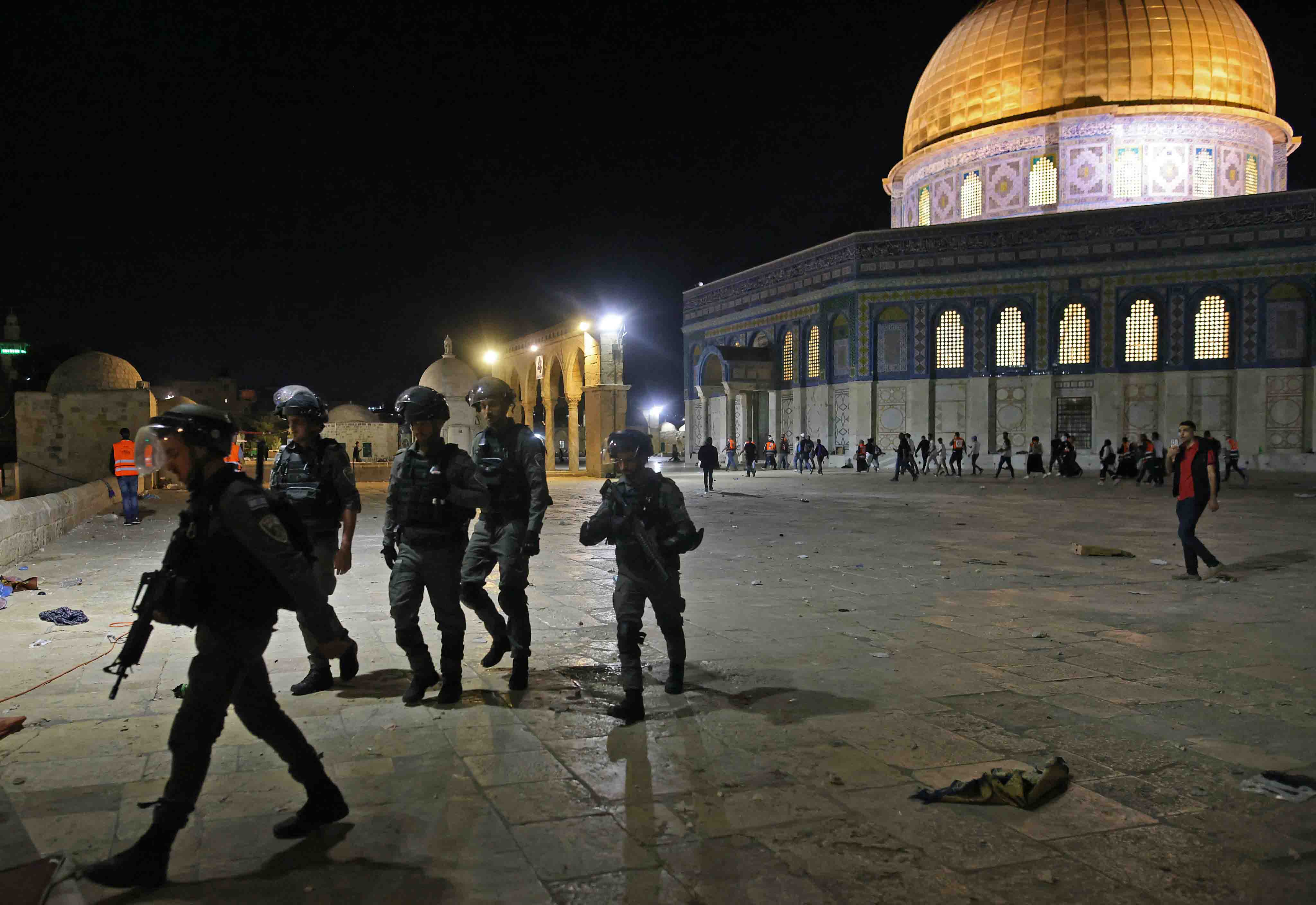
Jerusalem, May 8: Palestinian worshippers clashed with Israeli police on Friday evening at Al-Aqsa Mosque in Jerusalem's Old City as weeks-long tensions between Israel and the Palestinians over Jerusalem soared again.
The Palestinian Red Crescent emergency service said 53 people were wounded in clashes with police there and elsewhere in Jerusalem, including 23 who were hospitalized. It says most were wounded in the face and eyes by rubber-coated bullets and shrapnel from stun grenades.
The clashes were the latest in a deadly day that saw Israeli forces shoot and kill two Palestinians after three men opened fire on an Israeli base in the occupied West Bank.
They erupted when Israeli police deployed heavily as Muslims were performing evening prayers at Al-Aqsa during the holy month of Ramadan. Video footage from the scene shows worshippers throwing chairs, shoes and rocks toward the police and officers responding by opening fire. Israeli police also closed gates leading to Al-Aqsa inside the walled Old City.
Dozens of Palestinians in an east Jerusalem neighborhood are at risk of being evicted following a long legal battle with Israeli settlers, and Palestinian protesters have clashed with Israeli police in the city on a nightly basis since the start of the Muslim holy month of Ramadan.
The unrest has drawn attention from across the region, with neighbouring Jordan warning Israel against further provocative steps, and Iran seizing on the sensitivities around Jerusalem and encouraging the violence.
In the attack on Friday morning, Israeli police said three attackers fired on the base near the northern West Bank town of Jenin. The Border Police and an Israeli soldier returned fire, killing two of the men and wounding the third, who was evacuated to a hospital.
Some 70,000 worshippers attended the final Friday prayers of Ramadan at Al-Aqsa, the Islamic endowment that oversees the site said. Thousands protested afterwards, waving the green flags of the Islamic militant group Hamas and chanting pro-Hamas slogans before dispersing peacefully.
Israelis and Palestinians are bracing for more violence in the coming days.
Sunday night is Laylat al-Qadr or the Night of Destiny, the most sacred in the Muslim holy month of Ramadan. Worshippers will gather for intense nighttime prayers at the Al-Aqsa mosque compound in Jerusalem's Old City, a flashpoint site sacred to both Muslims and Jews, who refer to it as the Temple Mount.
Sunday night is also the start of Jerusalem Day, a national holiday in which Israel celebrates its annexation of east Jerusalem and religious nationalists hold parades and other celebrations in the city. On Monday, an Israeli court is expected to issue a verdict on the evictions.
Israel's archenemy Iran was meanwhile marking its own Quds, or Jerusalem, Day on Friday. The national holiday typically features anti-Israel protests and fiery speeches by Iranian leaders predicting Israel's demise.
The downward and declining movement of the Zionist regime has begun and will not stop," Supreme Leader Ayatollah Ali Khamenei said in a televised address. He called for continuing armed resistance in the Palestinian territories and urged Muslim nations support it.
This year, Ramadan has coincided with an uptick in Israeli-Palestinian violence focused on Jerusalem, where Palestinian protesters have repeatedly clashed with Israeli police over restrictions on outdoor gatherings at the Damascus Gate leading into the Old City.
On Thursday, Israeli forces arrested a Palestinian suspected of carrying out a drive-by shooting earlier this week in the West Bank that killed an Israeli and wounded two others.
On Wednesday, Israeli troops shot and killed a 16-year-old Palestinian during a confrontation near the West Bank city of Nablus. The military said several Palestinians had thrown firebombs toward soldiers.
In recent days, protesters have scuffled with police and settlers over the threatened eviction of dozens of Palestinians in the Sheikh Jarrah neighborhood in east Jerusalem. Several Palestinian families in Sheikh Jarrah have been embroiled in a long-running legal battle with Israeli settler groups trying to acquire property in the neighborhood north of the Old City.
Israel captured east Jerusalem, along with the West Bank and Gaza territories the Palestinians want for their future state in the 1967 Mideast war. Israel annexed east Jerusalem in a move not recognized internationally and views the entire city as its capital.
The Palestinians view east Jerusalem which includes major holy sites for Jews, Christians and Muslims as their capital, and its fate is one of the most sensitive issues in the conflict.
Neighboring Jordan, which made peace with Israel in 1994 and is the custodian of Al-Aqsa, weighed in on Friday, saying Israel's continuation of its illegal practices and provocative steps" in the city is a dangerous game.
Building and expanding settlements, confiscating lands, demolishing homes and deporting Palestinians from their homes are illegal practices that perpetuate the occupation and undermine the chances of achieving a just and comprehensive peace, which is a regional and international necessity," Jordan's Foreign Minister Ayman al-Safadi tweeted.
Israeli police fired at Palestinian protesters at Al-Aqsa Mosque. More than 170 people were injured.
— AJ+ (@ajplus) May 8, 2021
Protesters were showing support for Palestinian families facing eviction in occupied East Jerusalem.
The UN has called Israel's forced evictions a potential war crime. pic.twitter.com/jBECcZXhux
Let the Truth be known. If you read VB and like VB, please be a VB Supporter and Help us deliver the Truth to one and all.
Double-decker electric bus gutted in fire at Kurla BEST depot
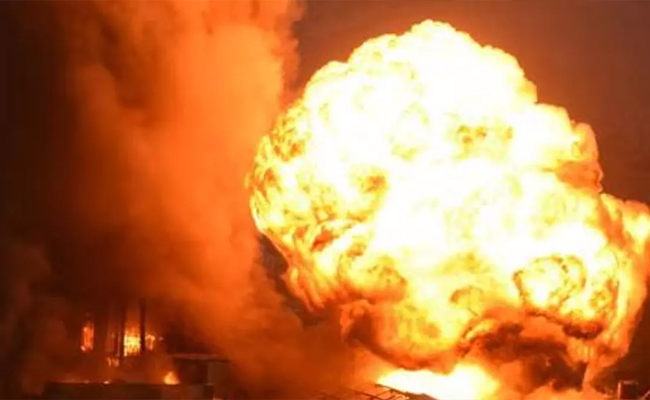
Mumbai (PTI): An empty double-decker electric bus was gutted in a fire during servicing at a BEST depot in Mumbai's Kurla area on Sunday, officials said, adding that nobody was injured.
The blaze broke out inside the Kurla BEST bus depot near Kanakia Building at 4.14 pm, according to preliminary information from the Mumbai Fire Brigade.
The parked bus was unoccupied at the time of the incident.
Fire brigade personnel rushed to the spot and brought the blaze under control. The exact cause of the fire was yet to be ascertained, they said.
No injuries were reported in the incident, officials added.
The Brihanmumbai Electricity Supply and Transport (BEST) Undertaking has hired 50 electric double-decker buses from Switch Mobility in its fleet of around 2,700 buses.