Phase II trial finds Chinese COVID-19 vaccine is safe, induces immune response
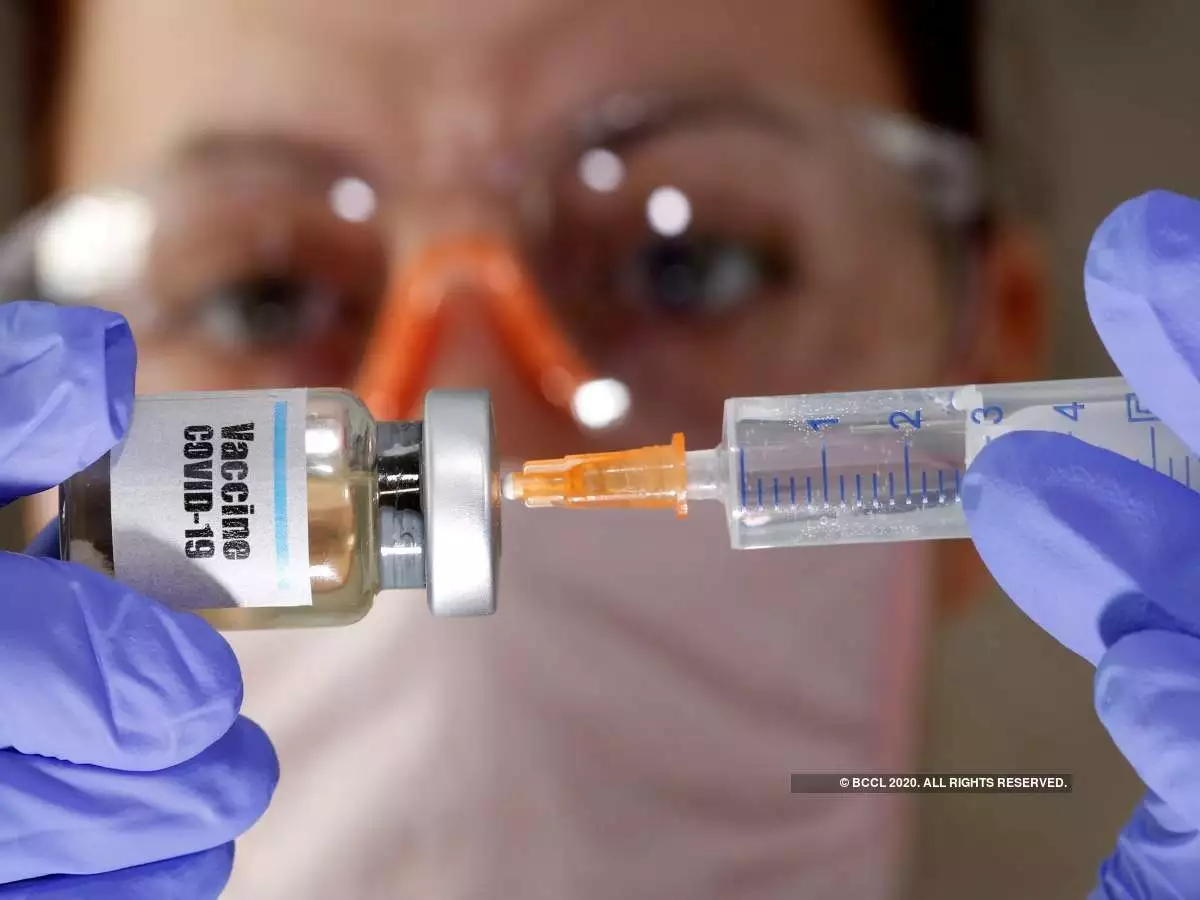
Beijing: A phase II clinical trial of a COVID-19 vaccine candidate, conducted in China, has found that it is safe and induces an immune response, a study published in The Lancet says.
Scientists, including those from the Chinese Center for Disease Control and Prevention, said the trial sought to evaluate the safety and immunogenicity of the vaccine candidate.
They said the results provide data from a wider group of participants than their earlier phase I trial, including a small sub-group of participants aged over 55 years and older.
However, the researchers cautioned that no participants in the current trial were exposed to the novel coronavirus, SARS-CoV-2, after vaccination. So they said it is not possible for the current study to determine whether the vaccine candidate effectively protects against SARS-CoV-2 infection.
In the trial, the researchers used a weakened human common cold virus (adenovirus, which infects human cells readily but is incapable of causing disease) to deliver the genetic material which codes for the novel coronavirus spike protein into the cells.
The scientists said these cells then produced the coronavirus spike protein, and travel to the body's lymph nodes where the immune system creates antibodies.
They said these antibodies then recognise the spike protein and fight off the coronavirus.
"The Beijing approach is based on the backbone of a conventional human, common-cold virus to which some people have pre-existing antibodies and they therefore make a lower response in some people to the vaccine because people have pre-existing antibodies to their vector, so may clear it before it has a chance to work properly," explained Danny Altmann, Professor of Immunology at Imperial College London in the UK, who is unrelated to the research team.
According to the scientists, 508 participants took part in the trial of the new vaccine candidate.
Of these, they said 253 people received a high dose of the vaccine, 129 received a low dose, and 126 received a dummy treatment, a placebo.
The study noted that about two-thirds of the participants were 18-44 years old, a quarter were aged 45-54 years, and 13 per cent were 55 years or older.
The participants were monitored for immediate adverse reactions for 30 minutes after injection, and were followed for any injection-site reactions within 14- and 28-days post-vaccination, the study noted.
It said serious adverse events reported by participants during the whole study period were also documented, and blood samples were taken from them immediately before treatment, and 14- and 28-days post-vaccination to measure antibody responses.
The findings revealed that 95 per cent (241/253) of the participants in the high dose group, and 91 per cent (118/129) of those in the low dose group showed either T cell or antibody immune responses at day 28 post-vaccination.
According to the researchers, the vaccine induced a neutralising antibody response in 59 per cent (148/253) and 47 per cent (61/129) of the participants, and binding antibody response in 96 per cent (244/253) and 97 per cent (125/129) of participants, in the high and low dose groups, respectively, by day 28.
The study noted that the proportion of participants who had any adverse reactions like fever, fatigue and injection-site pain were significantly higher in vaccine recipients, than those who were given the placebo.
However, the scientists said, most adverse reactions were mild or moderate. They said the most common severe reaction was fever.
The researchers cautioned that pre-existing immunity to the human adenovirus which was used as the vector (the Ad5 vector) for this vaccine, and increasing age could partially hamper the specific immune responses to vaccination, particularly for the antibody responses.
"Since elderly individuals face a high risk of serious illness and even death associated with COVID-19 infection, they are an important target population for a COVID-19 vaccine. It is possible that an additional dose may be needed in order to induce a stronger immune response in the elderly population, but further research is underway to evaluate this," said study co-author Wei Chen from the Beijing Institute of Biotechnology in China.
Since the trial participants were not exposed to the coronavirus after vaccination, the scientists said it is not possible for the current study to determine the efficacy of the candidate vaccine.
They said it is also not possible to say from the current research if there are any risks associated with the antibody induced by vaccination when exposed to the novel coronavirus.
Let the Truth be known. If you read VB and like VB, please be a VB Supporter and Help us deliver the Truth to one and all.
Bengal: Over 55 pc turnout till 1 pm in repoll in 15 booths of 2 assembly seats
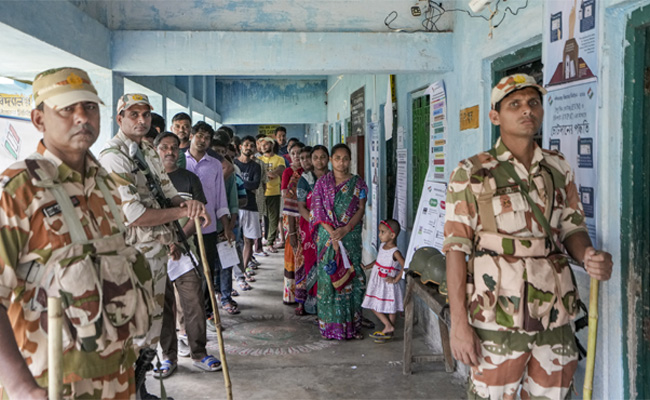
Kolkata (PTI): Over 55 per cent turnout was recorded till 1 pm in repoll in 15 booths of two assembly constituencies in West Bengal's South 24 Parganas district on Saturday, an official said.
Voting was underway more or less peacefully at 11 polling stations of Magrahat Paschim assembly constituency and four in Diamond Harbour, where the EC ordered repoll a day ago, following reports of electoral malpractices.
However, at booth number 179 at Chanda Primary School of Diamond Harbour seat, the Trinamool Congress alleged that a specially abled voter and his mother were harassed by central forces. The alleged incident sparked protests by party workers and locals.
The TMC claimed that the voter's mother, who had entered the booth to assist him, and her son were detained for a considerable time by central forces over alleged rule violations.
ALSO READ: Man arrested for duping Delhi resident of Rs 2 lakh in online car sale fraud
"TMC leaders Manmohini Biswas and Pratik Ur Rahman reached the spot and led the protests, with residents terming the action unwarranted harassment. The matter has been taken care of by our officials there," an official of the poll body said.
Polling was otherwise peaceful across 15 booths in the area, he added.
Voting began at 7 am and will continue till 6 pm, the official said, adding that till 1 pm, the turnout was 55.57 per cent.
Magrahat Paschim registered 56.33 per cent voter turnout, while in Diamond Harbour, it was 54.9 per cent, a poll official stated.
Voting in these two assembly constituencies was held in the second phase of the state elections on April 29.
The repoll order was based on reports received from returning officers and observers of the two constituencies and "material circumstances", the Election Commission official said.
In Magrahat Paschim, TMC's Md Samim Ahamed Molla is pitted against BJP nominee Goursundar Ghosh, while Abdul Majid Halder of the Congress and ISF candidate Abdul Aziz Al Hassan are also in the fray.
TMC candidate Panna Lal Halder is contesting against Dipak Kumar Halder of the BJP in the Diamond Harbour seat. Goutam Bhattacharya of the Congress and CPI(M)'s Samar Naiya are among other candidates.
The BJP had alleged rampant electoral malpractices in certain polling stations of both the assembly seats under the Diamond Harbour Lok Sabha constituency, which is represented by TMC national general secretary Abhishek Banerjee.
The EC had deputed its special observer, Subrata Gupta, to fact-check the allegations from the ground.
The poll panel will decide on repolling in the Falta assembly constituency on Saturday.
The West Bengal assembly elections were held in two phases -- April 23 and April 29 -- amid unprecedented security arrangements.
Counting of votes will take place on May 4.