Queen Elizabeth II's husband, Prince Philip, dies aged 99
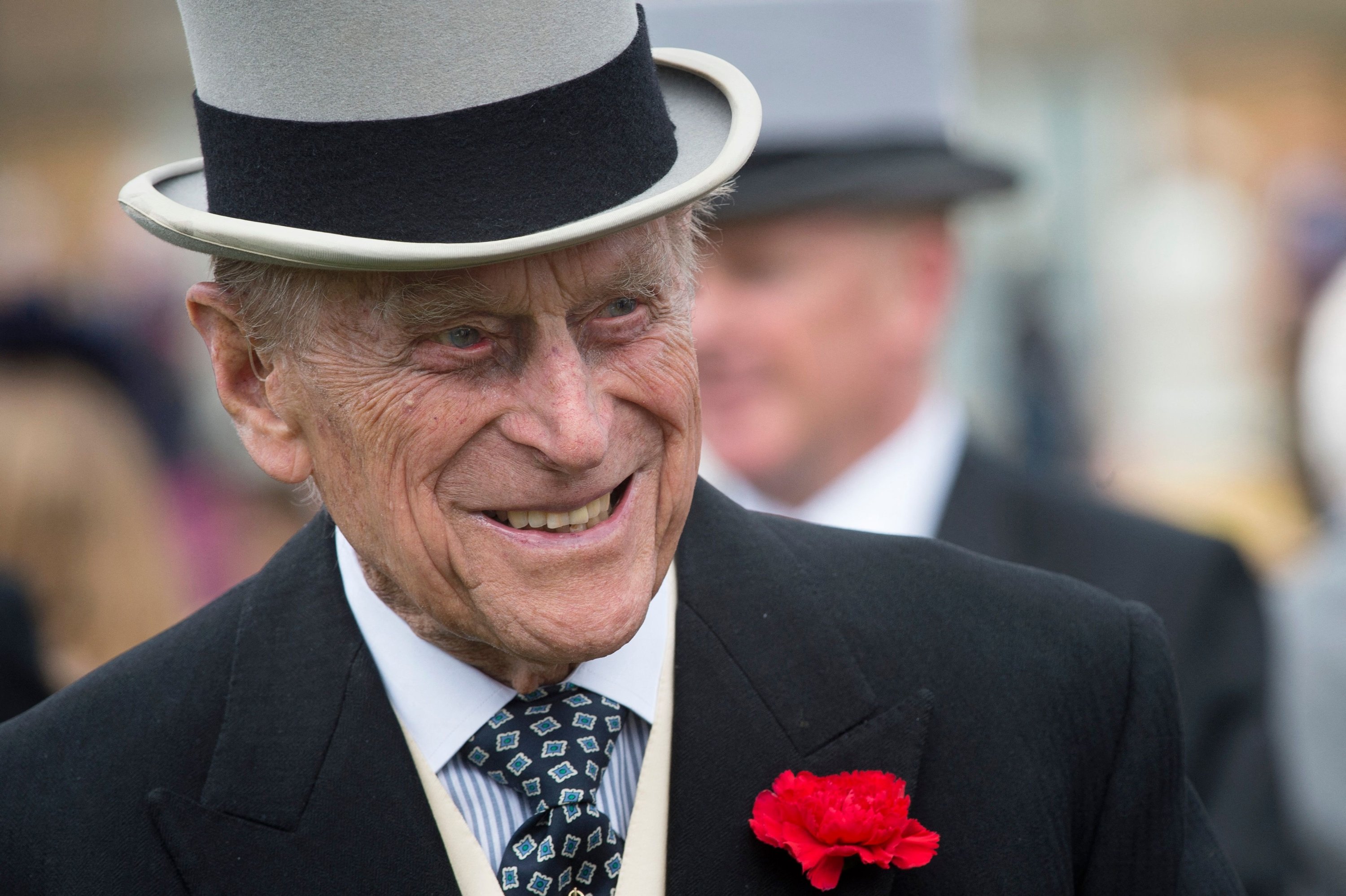
London: The husband of Britain's Queen Elizabeth II, Prince Philip the Duke of Edinburgh, passed away on Friday aged 99, Buckingham Palace said.
In a statement issued on behalf of the 94-year-old monarch, the palace said that the country's longest-serving royal consort died peacefully at Windsor Castle on Friday morning.
It is with deep sorrow that Her Majesty The Queen has announced the death of her beloved husband, His Royal Highness The Prince Philip, Duke of Edinburgh, the palace statement read.
His Royal Highness passed away peacefully this morning at Windsor Castle, it said.
The Duke, who was to mark his 100th birthday on June 10, had been discharged from hospital after a month since he had been admitted there and went on to have a successful heart procedure.
The 28-night stay had been his longest spell in hospital after he was first admitted to the King Edward VII Hospital on February 16 before moving to a National Health Service (NHS) specialist St. Bartholomew's Hospital two weeks later, where he underwent a procedure for a pre-existing heart condition.
Prince Philip and the Queen had spent most of the lockdown at Windsor Castle in England with a small group of household staff, nicknamed HMS Bubble . The couple, who have been married for 73 years, received their first COVID-19 jabs together in January.
In 2011, Prince Philip was taken to hospital by helicopter from Sandringham after suffering chest pains as the royal family was preparing for Christmas. He was treated for a blocked coronary artery at Papworth Hospital in Cambridgeshire and had a stent fitted.
The Duke retired from official royal duties in 2017 after years of service in the armed forces and then as a consort to the monarch, with several charity endeavours.
Let the Truth be known. If you read VB and like VB, please be a VB Supporter and Help us deliver the Truth to one and all.
Allahabad HC orders probe into 'reinstatement' of teacher in UP's Barabanki
Lucknow (PTI): The Lucknow Bench of the Allahabad High Court on Friday ordered a probe by the special task force (STF) into alleged irregularities in the rejoining of a teacher at City Intermediate College in Barabanki, observing that the reinstatement appeared to be prima facie illegal.
The court also directed the recovery of the salary paid to the teacher during the disputed period.
A bench of Justice Rajeev Singh passed the order on a petition filed by the college management committee. The court expressed doubts over the roles of the District Inspector of Schools (DIOS), Barabanki, the college principal and the teacher concerned and hence, directed a detailed inquiry into the matter.
Taking note of alleged manipulation of records and misleading submissions, the court ordered the immediate transfer of the Barabanki DIOS to ensure a fair probe. It also directed the initiation of disciplinary proceedings against the then joint director of education of the Ayodhya division.
In its order, the court found that the teacher, Abhay Kumar, was initially appointed as an assistant teacher in 2018 but joined an Eklavya Model Residential School in Chhattisgarh as a lecturer in June 2024 without obtaining permission from the management. His subsequent request to retain the lien was rejected.
Despite this, he was allowed to rejoin the Barabanki College in September 2025 on the directions of the joint director of education and the DIOS, and was even paid the salary for October 2025. The court termed the rejoining "wholly illegal" and lacking any legal basis.
The bench also expressed concern over lapses in communication within the education department and directed the Uttar Pradesh chief secretary to ensure that official orders are communicated through email and WhatsApp as well, to prevent disputes.
The matter is next listed for hearing on May 28 when a compliance report is sought.