Record 383 aid workers killed in global hotspots in 2024, nearly half in Gaza: UN
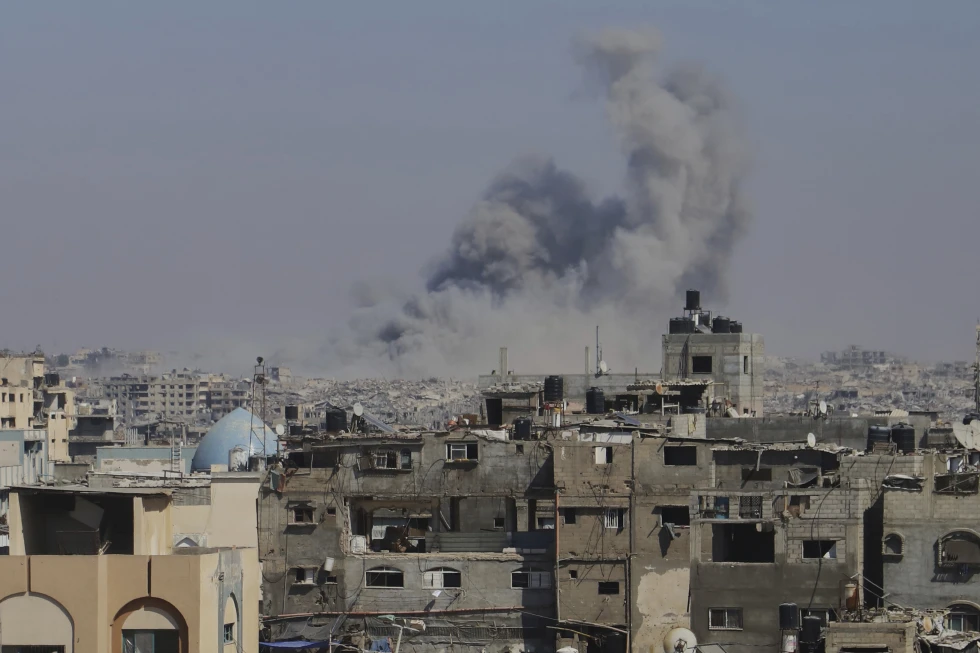
United Nations (AP): A record 383 aid workers were killed in global hotspots in 2024, nearly half of them in Gaza during the war between Israel and Hamas, the UN humanitarian office said Tuesday on the annual day honouring the thousands of people who step into crises to help others.
UN humanitarian chief Tom Fletcher said the record number of killings must be a wake-up call to protect civilians caught in conflict and all those trying to help them.
“Attacks on this scale, with zero accountability, are a shameful indictment of international inaction and apathy,” Fletcher said in a statement on World Humanitarian Day.
“As the humanitarian community, we demand — again — that those with power and influence act for humanity, protect civilians and aid workers and hold perpetrators to account.”
The Aid Worker Security Database, which has compiled reports since 1997, said the number of killings rose from 293 in 2023 to 383 in 2024, including over 180 in Gaza.
Most of the aid workers killed were national staff serving their communities who were attacked while on the job or in their homes, according to the UN Office for the Coordination of Humanitarian Affairs, known as OCHA.
So far this year, the figures show no sign of a reversal of the upward trend, OCHA said.
There were 599 major attacks affecting aid workers last year, a sharp increase from the 420 in 2023, the database's figures show. The attacks in 2024 also wounded 308 aid workers and saw 125 kidnapped and 45 detained.
There have been 245 major attacks in the past seven plus months, and 265 aid workers have been killed, according to the database.
One of the deadliest and most horrifying attacks this year took place in the southern Gaza city of Rafah when Israeli troops opened fire before dawn on March 23, killing 15 medics and emergency responders in clearly marked vehicles.
Troops bulldozed over the bodies along with their mangled vehicles, burying them in a mass grave. UN and rescue workers were only able to reach the site a week later.
“Even one attack against a humanitarian colleague is an attack on all of us and on the people we serve,” the UN's Fletcher said. “Violence against aid workers is not inevitable. It must end.”
According to the database, violence against aid workers increased in 21 countries in 2024 compared with the previous year, with government forces and affiliates the most common perpetrators.
The highest number of major attacks last year were in the Palestinian territories with 194, followed by Sudan with 64, South Sudan with 47, Nigeria with 31 and Congo with 27, the database reported.
As for killings, Sudan, where civil war is still raging, was second to Gaza and the West Bank with 60 aid workers losing their lives in 2024. That was more than double the 25 aid worker deaths in 2023.
Lebanon saw 20 aid workers killed compared with none in 2023. Ethiopia and Syria each had 14 killings, about double the number in 2023, and Ukraine had 13 aid workers killed in 2024, up from 6 in 2023, according to the database.
Let the Truth be known. If you read VB and like VB, please be a VB Supporter and Help us deliver the Truth to one and all.
Tumakuru: Dalit family allegedly prevented from entering temple; accused arrested
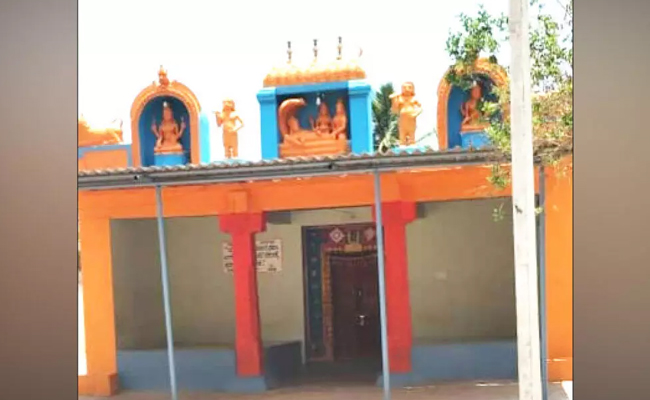
Tumakuru: Police in Turuvekere have arrested a 65-year-old man for allegedly obstructing a Dalit family from entering a temple and making caste-based remarks, officials said on Saturday.
The accused, identified as Rajanna, has been booked under provisions of the Scheduled Castes and Scheduled Tribes (Prevention of Atrocities) Act based on a complaint filed by Rangaramu T. of Thuyalahalli village.
According to the FIR, the incident took place on April 18 around 5:30 pm when Rangaramu T. and his family visited the Sri Ranganathaswamy temple in Mallur village to offer prayers. It states that the accused allegedly objected to their entry and made remarks referring to caste hierarchy and questioning their presence inside the temple premises.
The FIR further states that the accused made additional remarks asserting that such entry into the temple was not permitted and asked the family to leave. It also mentions that the complainant was subjected to mental harassment through these statements.
Following the complaint, DySP Om Prakash Gowda along with revenue officials and police visited the spot and conducted an inspection.
Further investigation is underway.