Rohingya refugees sue Facebook for USD 150 billion, alleging role in violence
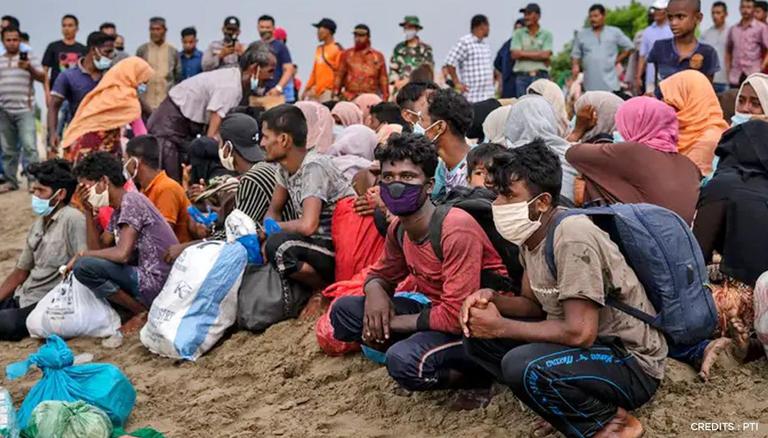
London, Dec 7: Rohingya refugees sued Facebook parent Meta Platforms for more than USD 150 billion over what they say was the company's failure to stop hateful posts that incited violence against the Muslim ethnic group by Myanmar's military rulers and their supporters.
Lawyers filed a class-action lawsuit Monday in California saying "Facebook's arrival in Myanmar helped spread hate speech, misinformation and incitement to violence that amounted to a substantial cause, and eventual perpetuation of, the Rohingya genocide."
Lawyers in the United Kingdom have issued notice of their intention to file a similar legal action. Facebook, which was recently renamed Meta, did not immediately, reply to a request for comment.
It's the latest in a series of accusations that the social media giant fueled misinformation and political violence, outlined in redacted internal documents obtained by a consortium of news organizations, including The Associated Press.
The combined legal claims from Rohingya refugees are being filed on behalf of anyone worldwide who survived the violence or had a relative who died from it.
The Rohingya are a Muslim ethnic group forced to flee persecution and violence in Myanmar starting in 2017, with an estimated 1 million living in refugee camps in neighboring Bangladesh. Some 10,000 have ended up in the United States.
In 2018, United Nations human rights experts investigating attacks against the Rohingya said Facebook had played a role in spreading hate speech.
More than 10,000 Rohingya have been killed and more than 150,000 were subject to physical violence, according to the law firms organizing the cases.
The lawsuits say Facebook's algorithms amplified hate speech against the Rohingya people and that it didn't spend enough money to hire moderators and fact checkers who spoke the local languages or understood the political situation.
They also say Facebook failed to shut accounts and pages or take down posts inciting violence or using hate speech directed at the ethnic group.
Facebook arrived in Myanmar in 2011, arranging for millions of residents to access the internet for the first time, according to the lawsuit filed in California Superior Court for San Mateo County. But the lawsuit says the company did little to warn people about the dangers of online misinformation and fake accounts tactics employed by the military in its campaign against the Rohingya.
The lawsuit says Facebook knew that rewarding users for posting dangerous content and allowing fake accounts created by autocrats to flourish would radicalize users.
Let the Truth be known. If you read VB and like VB, please be a VB Supporter and Help us deliver the Truth to one and all.
Sengottaiyan secures historic 10th victory in Gobichettipalayam assembly constituency
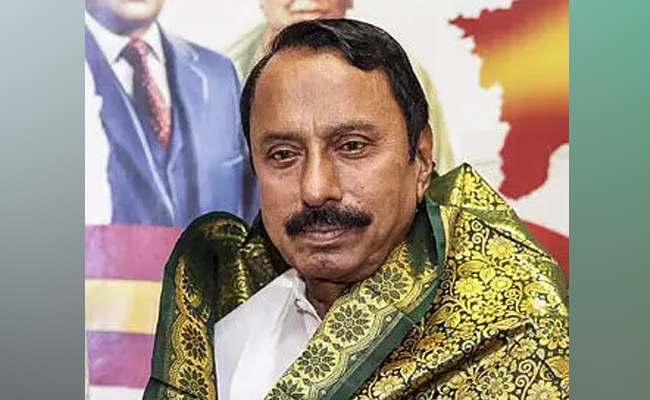
Gobichettipalayam (Tamil Nadu) (PTI): In a historic 10th win, veteran leader K A Sengottaiyan clinched the Gobichettipalayam seat in the 2026 Assembly elections.
Contesting for the first time under actor Vijay’s TVK, the 78-year-old secured approximately 71,380 votes, defeating DMK’s N Nallasivam by a margin of nearly 13,000 votes.
This win marks Sengottaiyan’s 10th consecutive victory in the constituency, cementing his status as an immovable force in the region despite his high-profile exit from the AIADMK in late 2025.
His success was a cornerstone for the TVK, which emerged as a formidable force across the state. Supporters celebrated the win as a testament to Sengottaiyan’s personal influence, which successfully transitioned from his former Dravidian home to the newly formed TVK.