SARS-like virus spreads in China, nearly 140 new cases
Beijing: A mysterious SARS-like virus has spread around China -- including to Beijing -- authorities said on Monday, fuelling fears of a major outbreak as millions begin travelling for the Lunar New Year in humanity's biggest migration.
The new coronavirus strain, first discovered in the central city of Wuhan, has caused alarm because of its connection to Severe Acute Respiratory Syndrome (SARS), which killed nearly 650 people across mainland China and Hong Kong in 2002-2003.
Wuhan has 11 million inhabitants and serves as a major transport hub, including during the annual Lunar New Year holiday which begins later this week and sees hundreds of millions of Chinese people travel across the country to visit family.
No human-to-human transmission has been confirmed so far, but authorities have previously said the possibility "cannot be excluded". A third person was confirmed to have died, and in Wuhan 136 new cases were found over the weekend, the local health commission said. Three cases have been reported overseas -- two in Thailand and one in Japan.
Health authorities in Beijing's Daxing district said two people who had travelled to Wuhan were treated for pneumonia linked to the virus and are in stable condition.
In Guangdong, a 66-year-old Shenzhen man was quarantined on January 11 after contracting a fever and showing other symptoms following a trip to visit relatives in Wuhan, the provincial health commission said in a statement. He is also in stable condition.
"Experts believe that the current epidemic situation is still preventable and controllable," the Guangdong health commission said. A total of 201 people have now been diagnosed with the virus in China.
A seafood market is believed to be the centre of the outbreak in the city, but health officials have reported that some patients had no history of contact with the facility.
Scientists with the MRC Centre for Global Infectious Disease Analysis at Imperial College in London warned in a paper published Friday that the number of cases in the city was likely to be closer to 1,700, much higher than the number officially identified.
Wuhan deputy mayor Chen Xiexin said on state broadcaster CCTV at the weekend that infrared thermometers had been installed at airports, railway stations and coach stations across the city.
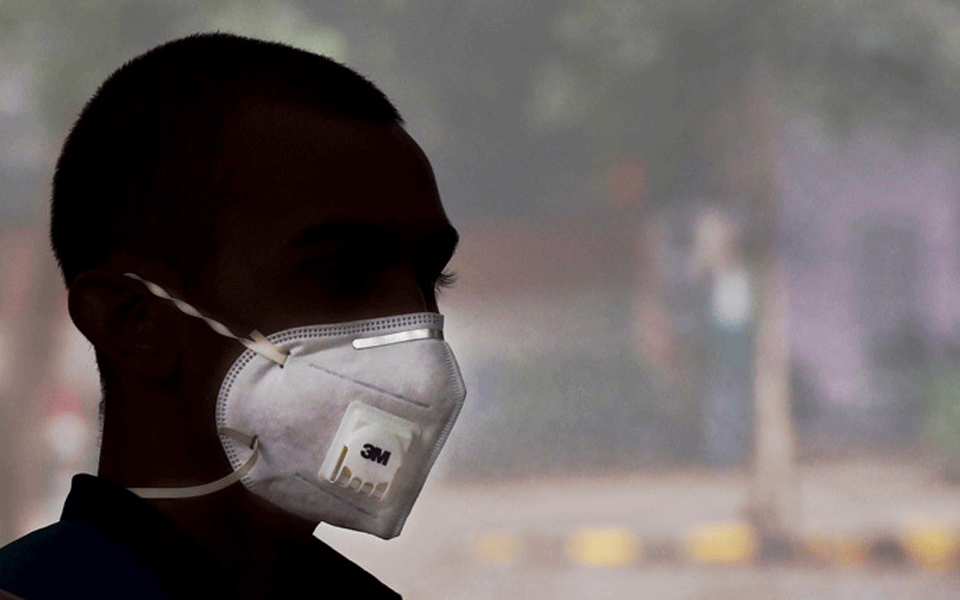
Chen said passengers with fevers were being registered, given masks and taken to medical institutions. Nearly 300,000 body temperature tests had been carried out, according to CCTV.
Authorities in Hong Kong have stepped up detection measures, including rigorous temperature checkpoints for inbound travellers from the Chinese mainland.
The United States said from Friday it would begin screening direct flights arriving from Wuhan at San Francisco airport and New York's JFK, as well as Los Angeles, where many flights connect.
Thailand said it was already screening passengers arriving in Bangkok, Chiang Mai and Phuket, and would soon introduce similar controls in the beach resort of Krabi.
In Wuhan, 170 people are still being treated at hospital, including nine in critical condition, the city health commission said. The new patients are between 25 and 89 years old and their symptoms included fever, coughing and chest pain.
Guangdong's health authority said it was taking measures including intensifying its triage of fever at clinics and banning illegal wildlife sales.
Let the Truth be known. If you read VB and like VB, please be a VB Supporter and Help us deliver the Truth to one and all.
Miscreants decamp with 70 kg silver articles from jewellery shop in Bengaluru
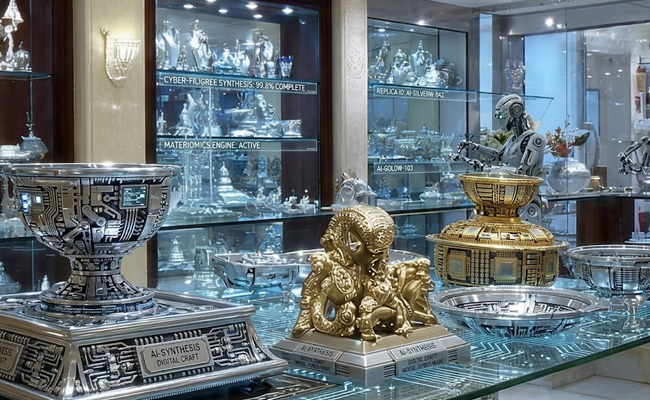
Bengaluru (PTI): Unidentified miscreants allegedly broke into a jewellery shop here and decamped with approximately 70 kg of silver articles worth crores of rupees, police said on Friday.
The incident was reported at a jewellery shop near 8th Mile, Havanur, on April 28, they said.
According to police, the accused are suspected to have entered the premises from the rear after breaking open the lock and drilling a hole through the wall of the shop.
The incident came to light at around 7 am on April 28 when shop staff opened the premises and discovered signs of forced entry and extensive damage to the rear section of the building, following which they alerted police authorities.
Preliminary estimates indicate that around 70 kg of silver articles, worth crores, were stolen. Most of the silver items displayed in the cupboards were taken, while valuables kept in the locker remained intact, a senior police officer said.
Police said CCTV cameras inside the shop were not functioning. Efforts are underway to identify the suspects using footage from cameras installed in the vicinity.
The miscreants also allegedly took away the Digital Video Recorder (of CCTV) of an adjacent shop, the officer added.
Investigators are also examining the tools and techniques used to gain access to the shop, suspecting the involvement of a professional gang with prior knowledge of the store layout.
A case has been registered at Bagalagunte Police Station, and further investigation is underway to identify and apprehend the accused, police said.