Singapore's Indian-origin human rights lawyer M Ravi dies, says report
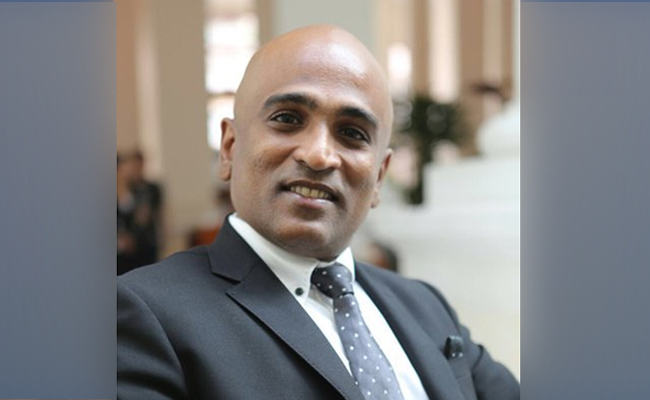
Singapore (PTI): An Indian-origin former lawyer M Ravi, widely known for representing death row inmates, including Malaysians, in Singapore, has died on Wednesday at 56.
He was found dead in the early hours of December 24, according to a report by The Straits Times. Police are investigating a case of unnatural death, said the daily report.
Ravi, whose full name was Ravi Madasamy, was born in 1969 and was a lawyer for more than 25 years.
ALSO READ: Success of LVM-3 mission reinforces India's growing role in global commercial launch market: PM Modi
He had also been in the news over his conduct, and was an advocate for the LGBTQ community and supported the abolition of the death penalty. Ravi was diagnosed with bipolar disorder in 2006.
Lawyer Eugene Thuraisingam, who had previously served as Ravi's counsel, said that he "was a man who stood up for and fought hard in court for what he believed in".
"He was dedicated to his pro bono work and deeply cared for his clients," the Channel News Asia quoted Thuraisingam as saying.
"He was a friend and he will be deeply missed by all in the legal fraternity."
According to the Encyclopedia of Singapore Tamils, an online resource, Ravi was a graduate of the National University of Singapore and Cardiff University and was called to the Bar in 1996.
He founded his own law firm, M Ravi Law, in 2019.
In 2023, he was recognised for his human rights work by the International Bar Association, receiving its "Award for Outstanding Contribution by a Legal Practitioner to Human Rights".
The organisation, according to the Channel report, praised Ravi for his "extraordinary dedication to defending human rights and advocating for the decriminalisation of homosexuality and the abolition of the death penalty in the Republic of Singapore".
Thirty-three offences—including murder, drug trafficking, terrorism, use of firearms and kidnapping—warrant the death penalty under Singaporean law.
Ravi had several brushes with the law, being fined for disorderly behaviour in 2004 and given a mandatory treatment order to address his bipolar disorder in 2018, before he was sentenced to 14 weeks' jail for a string of offences in 2024.
He was handed a five-year suspension from practising law in 2023 for making "grave and baseless accusations of improper conduct" against the attorney-general, officers from the Attorney-General's Chambers and the Law Society.
Ravi was a one-time political candidate, running in the 2015 General Election as part of a Reform Party slate.
He was also an author, publishing an autobiography, Kampong Boy (a boy from a village), in 2013. The book was shortlisted for the Singapore Literature Prize the following year.
Let the Truth be known. If you read VB and like VB, please be a VB Supporter and Help us deliver the Truth to one and all.
Leopard that killed 8-year-old boy caught after weeks in Thane
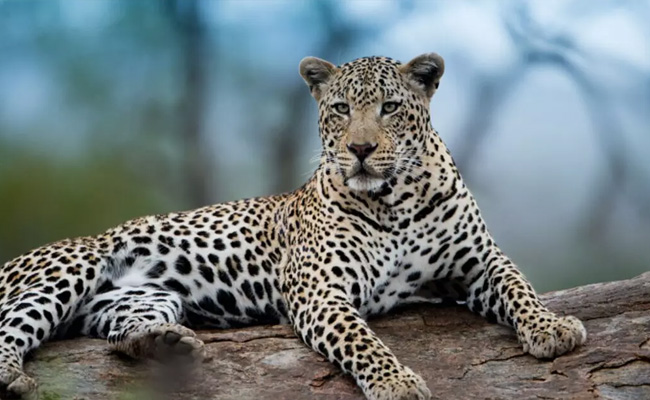
Thane (PTI): Forest officials on Sunday captured a leopard that mauled an eight-year-old child to death nearly a month ago in Shahapur of Maharashtra’s Thane district.
The predator walked into one of the cages set up in the area late Saturday night, ending weeks of panic in several villages in the region, an official from the Dolkhamb division of the forest department said.
"The captured leopard will undergo a thorough medical examination before any further decision is taken regarding its relocation or release," he said.
Senior inspector Suresh Gavit from the Kasara police station confirmed the development, stating that the forest department had successfully secured the animal.
Following the news of the capture, a video surfaced on social media showing a large crowd of villagers, including children, cheering and following the vehicle carrying the caged leopard.
The capture comes as a major relief to the area, which had been on edge since April 16, when the big cat killed an eight-year-old boy.
Krishna Bhaga Agiwale, a resident of Kalbhonde in the Kasara range, had ventured into a forest patch near his house to collect wild fruits when the leopard pounced on him, dragged him into the thicket and killed him on the spot.