Sirisena says parliament was dissolved to prevent unrest
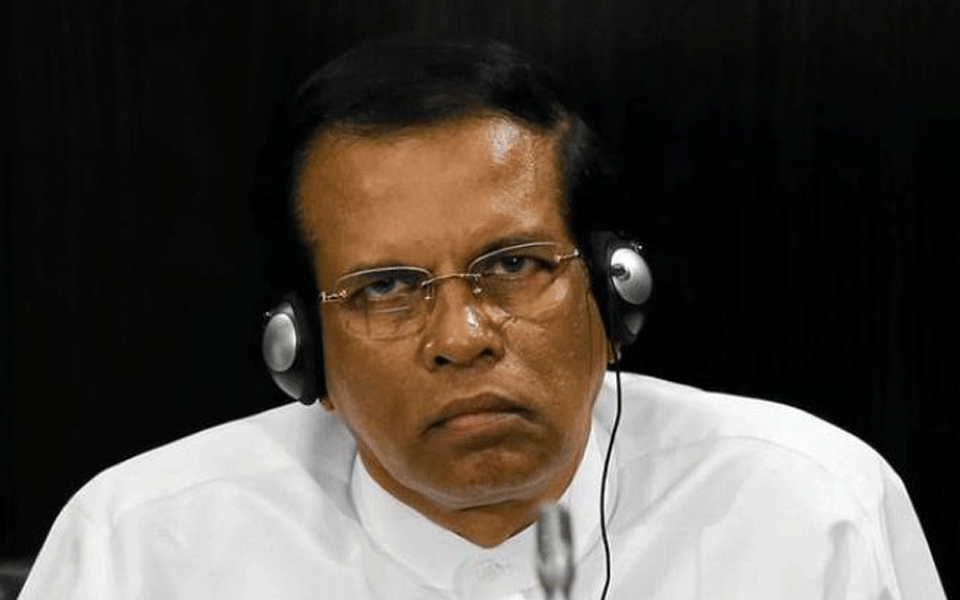
Colombo, Nov 11: Sri Lanka's president Maithripala Sirisena on Sunday defended his controversial sacking of parliament, saying the decision was taken to prevent violent clashes among rival lawmakers, after Speaker Karu Jayasuriya accused him of "usurping" the rights of legislators.
Sirisena in an address to the nation outlined his reasons for dissolving parliament well ahead of its scheduled closure. Sirisena's decision was criticised by some political parties and civil society groups as unconstitutional and illegal.
He said there were media reports that politicians would clash during a vote to decide between two men claiming the premiership.
On October 26, Sirisena abruptly sacked Ranil Wickremesinghe as prime minister and replaced him with Mahinda Rajapaksa, after three-and-a-half years of an estranged relationship with him.
The island nation plunged into a constitutional crisis following the move. Sirisena had suspended parliamentary proceedings until November 16. Later, owing to domestic and international pressure, he issued a notice to reconvene parliament on November 14.
However, on Friday, Sirisena dissolved parliament and announced snap polls on January 5 next year after it became evident that he did not have enough support in the House to prove the premiership of Rajapaksa.
"If I allowed the parliament to meet on November 14, there would have been violence in the House and it could have spread to our villagers and towns," Sirisena said.
"It was sad that parliamentarians were being traded for rupees 100 to 150 million," Sirisena said, referring to statements made by some of the parliamentarians that they were offered huge money to switch sides.
Sirisena also blamed parliamentary Speaker Jayasuriya for the current political situation.
"The other reason for my dissolution of parliament was the behaviour of Speaker Karu Jayasuriya. He issued statements saying that he would not recognise the appointment of a new prime minister using my presidential powers."
He said Jayasuriya's insistence of having a floor test on the very first day of the parliamentary session was unacceptable.
Jayasuriya, earlier, accused Sirisena of "usurping" the rights of legislators.
"I have watched over the last two weeks as the executive branch has seized the rights and usurped the powers of members of parliament who were elected to represent the people," Jayasuriya said.
"I call upon all public servants to refuse to execute any illegal orders they may receive, no matter from whom," he said.
Referring to remarks by Sirisena loyalist Sarath Amunugama, Jayasuriya said, "I lament that the purported foreign minister, a highly regarded politician, has falsely alleged that I intended to prevent the president from delivering the statement of government policy when parliament was set to reconvene on November 14. It is on this imaginary premise that the minister suggests that parliament had to be dissolved."
Let the Truth be known. If you read VB and like VB, please be a VB Supporter and Help us deliver the Truth to one and all.
NIA court to complete framing of charges against 2010 hand-chopping case accused on May 15
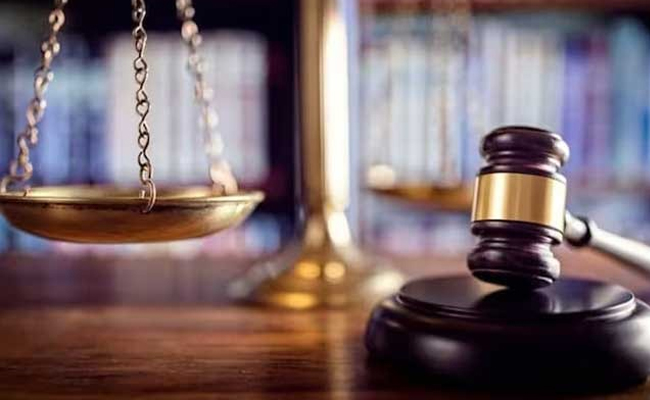
Kochi (PTI): A special court here will complete proceedings for framing charges against the prime accused in the 2010 hand-chopping case involving professor T J Joseph, in which PFI activists were accused of attacking him at Muvattupuzha.
Ernakulam Special Court for NIA cases judge P K Mohandas, on April 30, heard the arguments of counsel for accused Savad and Shafeer C and decided to proceed with framing charges against the duo.
A group chopped off Thodupuzha Newman College professor Joseph's right hand in July 2010, accusing him of religious blasphemy in a question paper he had prepared.
The case, later taken over by the National Investigation Agency (NIA), resulted in the conviction of 19 accused.
The first accused, Savad, who allegedly chopped off Joseph’s palm, was arrested in Berram in Mattannur, Kannur, in January 2024, where he had allegedly been hiding under the pseudonym Shajahan.
The NIA also arrested Shafeer, who allegedly arranged shelter and provided logistical support to Savad at Chakkad and Mattannur in Kannur since 2020.
On April 30, the court heard the counsel for the accused and the NIA prosecutor on framing charges against the duo.
"On going through the documents and evidence in the case and on hearing the counsel for the accused and the prosecutor, I am of the opinion that there are grounds for presuming that the first accused has committed offences punishable under provisions of the IPC, the Explosive Substances Act and the Unlawful Activities (Prevention) Act, and that the second accused has committed offences punishable under the IPC and the UAPA, and there are materials for framing charges under these provisions against the accused," the court said.
The court directed that Savad be produced and Shafeer, who is on bail, appear before it on May 15 for recording their pleas as part of the charge-framing process.
After framing the charges, the court will schedule the trial in the case.