Sri Lanka Cabinet approves proposal to ban face coverings in public places
Colombo, Apr 28: Sri Lanka's Cabinet on Tuesday approved a controversial proposal to ban all forms of face coverings in public places, citing a threat to national security.
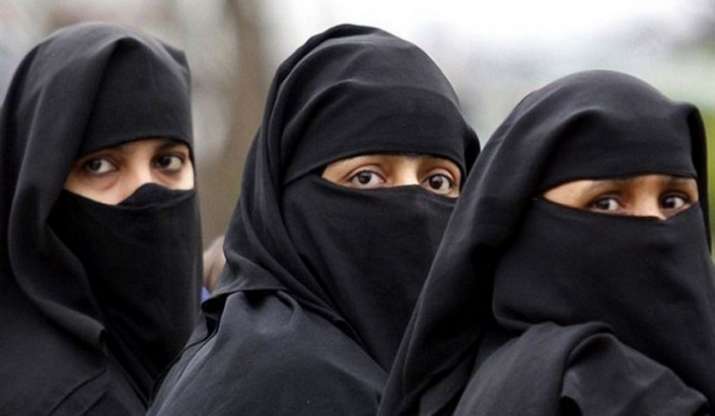
The move came weeks after Minister of Public Security Sarath Weerasekara signed a note in March, seeking the approval of the Cabinet to ban burqas -- outer garments that cover the body and face worn by some Muslim women.
The Cabinet has decided to ban all forms of face coverings in public places, Cabinet spokesperson and information minister Keheliya Rambukwella told reporters here, without specifying burqas.
He said the decision was taken two years after a wave of coordinated terror attacks on hotels and churches on Easter Sunday.
All forms of face covers are a threat to national security, he said.
However, wearing face masks to combat COVID-19 is allowed.
The covering of the full face will automatically include burqa and niqab.
The proposal now must be approved by Parliament to become a law.
Last month, Pakistan's High Commissioner to Sri Lanka Ambassador Saad Khattak had criticised the proposal to ban the wearing of burqas in the country, saying such "divisive steps" in the name of security will not only hurt the sentiments of Muslims but also strengthen wider apprehensions about the fundamental human rights of minorities in the island nation.
Meanwhile, Weerasekera in a Facebook post wrote that the Cabinet has approved the proposal to ban all face coverings, including the burqa.
"I requested approval to draft a law for the covering of full-face adhering to the quarantine law which means there will be no prohibition to wear face masks to prevent the COVID-19 virus," he was quoted as saying by the Daily Mirror news website.
The Buddhist-majority nation in 2019 had temporarily banned wearing of burqas under emergency regulations following the Easter Sunday attacks in which nine suicide bombers belonging to the local Islamist extremist group National Thawheed Jamaat (NTJ) carried out a series of blasts that tore through three churches and as many luxury hotels, killing 270 people, including 11 Indians, and injuring over 500.
Muslims make up about 9 per cent of the 22 million people in Sri Lanka, where Buddhists account for more than 70 per cent of the population. Ethnic minority Tamils, who are mainly Hindus, comprise about 12 per cent, while Christians account for over 7 per cent of the population.
Let the Truth be known. If you read VB and like VB, please be a VB Supporter and Help us deliver the Truth to one and all.
Allahabad HC orders probe into 'reinstatement' of teacher in UP's Barabanki
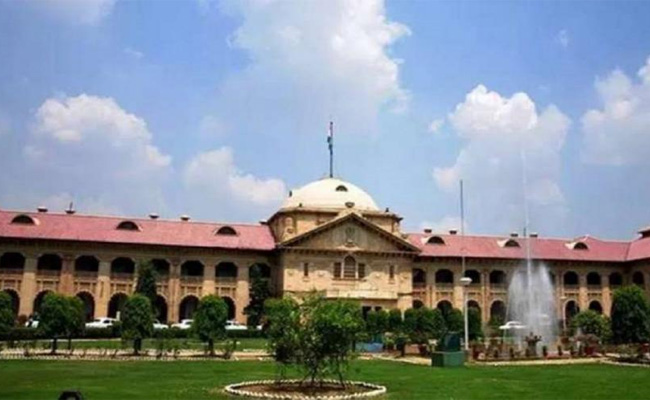
Lucknow (PTI): The Lucknow Bench of the Allahabad High Court on Friday ordered a probe by the special task force (STF) into alleged irregularities in the rejoining of a teacher at City Intermediate College in Barabanki, observing that the reinstatement appeared to be prima facie illegal.
The court also directed the recovery of the salary paid to the teacher during the disputed period.
A bench of Justice Rajeev Singh passed the order on a petition filed by the college management committee. The court expressed doubts over the roles of the District Inspector of Schools (DIOS), Barabanki, the college principal and the teacher concerned and hence, directed a detailed inquiry into the matter.
Taking note of alleged manipulation of records and misleading submissions, the court ordered the immediate transfer of the Barabanki DIOS to ensure a fair probe. It also directed the initiation of disciplinary proceedings against the then joint director of education of the Ayodhya division.
In its order, the court found that the teacher, Abhay Kumar, was initially appointed as an assistant teacher in 2018 but joined an Eklavya Model Residential School in Chhattisgarh as a lecturer in June 2024 without obtaining permission from the management. His subsequent request to retain the lien was rejected.
Despite this, he was allowed to rejoin the Barabanki College in September 2025 on the directions of the joint director of education and the DIOS, and was even paid the salary for October 2025. The court termed the rejoining "wholly illegal" and lacking any legal basis.
The bench also expressed concern over lapses in communication within the education department and directed the Uttar Pradesh chief secretary to ensure that official orders are communicated through email and WhatsApp as well, to prevent disputes.
The matter is next listed for hearing on May 28 when a compliance report is sought.