Sri Lanka's anti-Muslim riots claim first death, nationwide curfew imposed
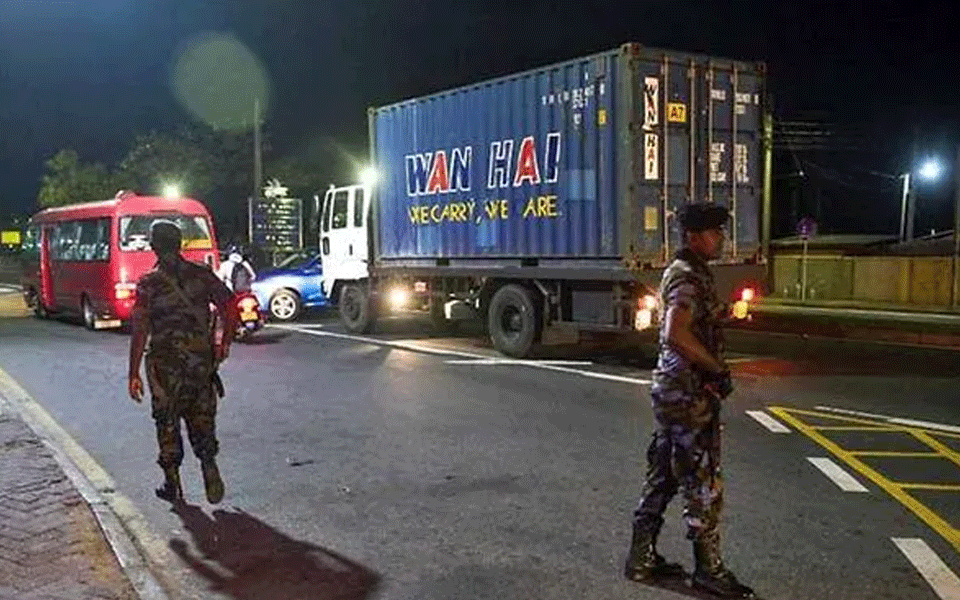
Colombo: A Muslim man was slashed to death in Sri Lanka Monday, police said after imposing a nationwide curfew to contain a violent new backlash against Easter suicide bombings.
The 45-year-old man died shortly after admission to a hospital in Puttalam district during anti-Muslim rioting which began Sunday in the area, a police official told AFP.
"Mobs had attacked him with sharp weapons at his carpentry workshop," the official said. "This is the first death from the riots." His death was reported after authorities ordered the entire country placed under a night curfew and police were ordered to use maximum force to deal with troublemakers.
Police will take stern action against rioters and constables have been issued with orders to use maximum force, Police Chief Chandana Wickramaratne warned in a televised address after rampaging mobs set fire to Muslim-owned shops and vehicles.
Homes and mosques were also vandalised by large groups of people armed with sticks and blunt weapons, police said.
The unrest was concentrated in three districts north of the capital, but a night curfew was imposed across the country to prevent the spread of violence, police said.
The latest rioting came three weeks after a string of suicide bomb attacks against three Christian churches and three luxury hotels, leaving 258 people dead and nearly 500 wounded.
Let the Truth be known. If you read VB and like VB, please be a VB Supporter and Help us deliver the Truth to one and all.
Kohli's U-19 teammate Amanpreet Singh Gill dies at 36
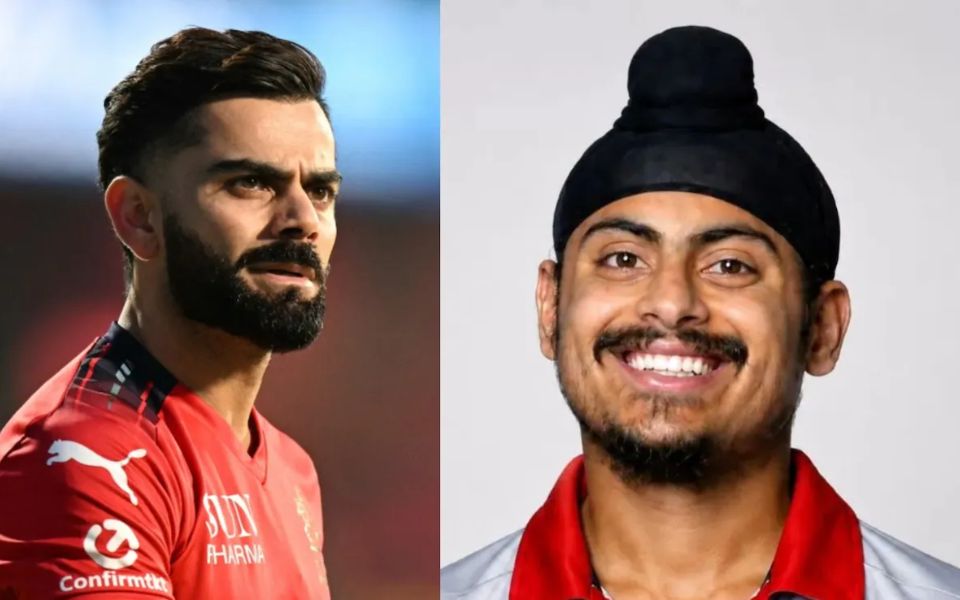
New Delhi (PTI): Former India U-19 and Punjab medium pacer Amanpreet Singh Gill died at the age of 36 in Chandigarh on Wednesday, leaving the cricket fraternity in mourning.
The cause of death is not yet known.
Gill, who was Virat Kohli's U-19 teammate, featured in six first-class matches for Punjab, picking up 11 wickets.
He was also part of the Punjab franchise (Kings XI Punjab) in the inaugural Indian Premier League season, and later served as a member of Punjab's senior selection committee.
"Punjab Cricket Association deeply mourns the sad demise of Amanpreet Singh Gill, former Punjab cricketer and Member, Senior Selection Committee Punjab,” the Punjab Cricket Association announced on X.
"Our heartfelt condolences to the bereaved family and loved ones. May Waheguru grant eternal peace to the departed soul and strength to the family in this difficult time."
Two-time World Cup-winning India all-rounder Yuvraj Singh also paid tribute to Gill.
"Deeply saddened to hear about Amanpreet Singh Gill’s passing. Shared the dressing room in our early days, he was a quiet, hardworking cricketer who loved the game. My heartfelt condolences to his family and loved ones. Rest in peace Om Shanti,” Singh posted on X.
Gill played five Youth ODIs and one Youth Test for India in 2007.
In the longer format, he claimed the wicket of former Sri Lanka all-rounder Thisara Perera.
However, he did not make the Virat Kohli-led India U-19 side that went on to win the 2008 World Cup.
“Deeply saddened by the passing of Amanpreet Singh Shergill, who proudly represented Punjab and was a part of the Punjab Kings family. Our heartfelt condolences to his family, friends, and the entire cricketing fraternity,” Punjab Kings posted on their official Instagram account.