Sri Lanka’s top court orders ex-prez, 4 others to pay 310 mn rupees in compensation
2019 Easter attack
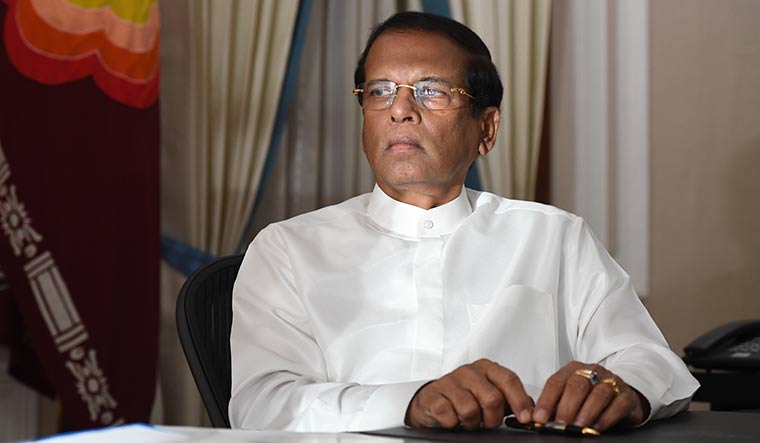
Colombo, Jan 12: Sri Lanka's Supreme Court Thursday ordered ex-president Maithripala Sirisena and four top former officials to pay a total of 310 million rupees as compensation to the victims of the 2019 Easter attack for their negligence in preventing the country's one of the worst terror strikes despite having credible intel of an imminent attack.
In its verdict, a seven-member bench of the apex court ruled that the respondents named in the petitions for failing to prevent the 2019 Easter Sunday attack had violated the fundamental rights of the petitioners.
The court ordered the then president Sirisena, who was also defence minister and commander in chief of the armed forces, to pay a compensation of 100 million rupees (USD 273,300) from his personal fund.
It also ordered former police chief Pujith Jayasundara and former state intelligence services chief Nilantha Jayawardene to pay a compensation of 75 million rupees (USD 204,975) each, former defence secretary Hemasiri Fernando to pay a compensation of 50 million rupees (USD 136,650) and former national intelligence service chief Sisira Mendis 10 million rupees (USD 27,330).
The court said top officials failed to act on the detailed intelligence information shared by India to avert the deadly suicide bombings.
They have been ordered to pay from their personal funds to the victim fund maintained by the office of reparations.
The apex court must be reported within 6 months on the payment of compensation.
The bench said Easter Sunday was just a few weeks away when the intel about the imminent attack came from India. Still, the officials failed to show alertness or perceptiveness to carry out any measures to safeguard churches across the country.
The bench also asked the state to take disciplinary action against Jayawardena.
Nine suicide bombers belonging to local Islamist extremist group National Thawheed Jamaat (NTJ) linked to ISIS carried out a series of devastating blasts that tore through three Catholic churches and as many luxury hotels on April 21, 2019, killing nearly 270 people, including 11 Indians, and injuring over 500.
The attack stirred a political storm as the then President Sirisena and then Prime Minister Ranil Wickremesinghe were blamed for their inability to prevent the attacks despite prior intelligence being made available.
As many as 12 petitioners, including the kin of the victims, the Catholic clergy, and the lawyers' body Bar Association of Sri Lanka, filed the fundamental rights petition against the then president for his negligence in preventing the attacks that proved fatal for the island nation's economy primarily dependent on tourism.
A presidential panel of inquiry appointed by Sirisena after the attacks ironically found the then-president guilty of his failure to prevent the attacks.
Sirisena, however, pleaded not guilty to the charge in the case filed after the panel's findings.
The head of the local Catholic Church, Malcolm Cardinal Ranjith, continued to express his dissatisfaction over the probe in the matter, claiming that the investigation was a cover-up.
Let the Truth be known. If you read VB and like VB, please be a VB Supporter and Help us deliver the Truth to one and all.
Yenepoya University conducts autism awareness campaign in Mangaluru
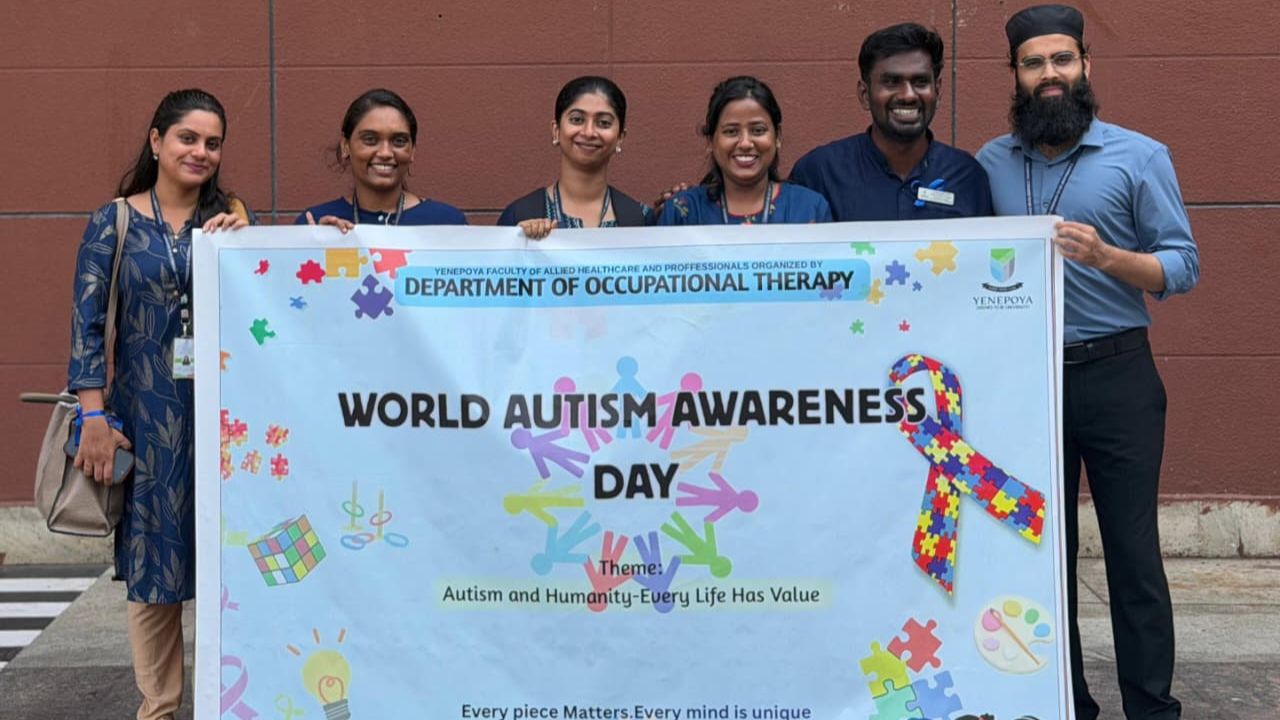
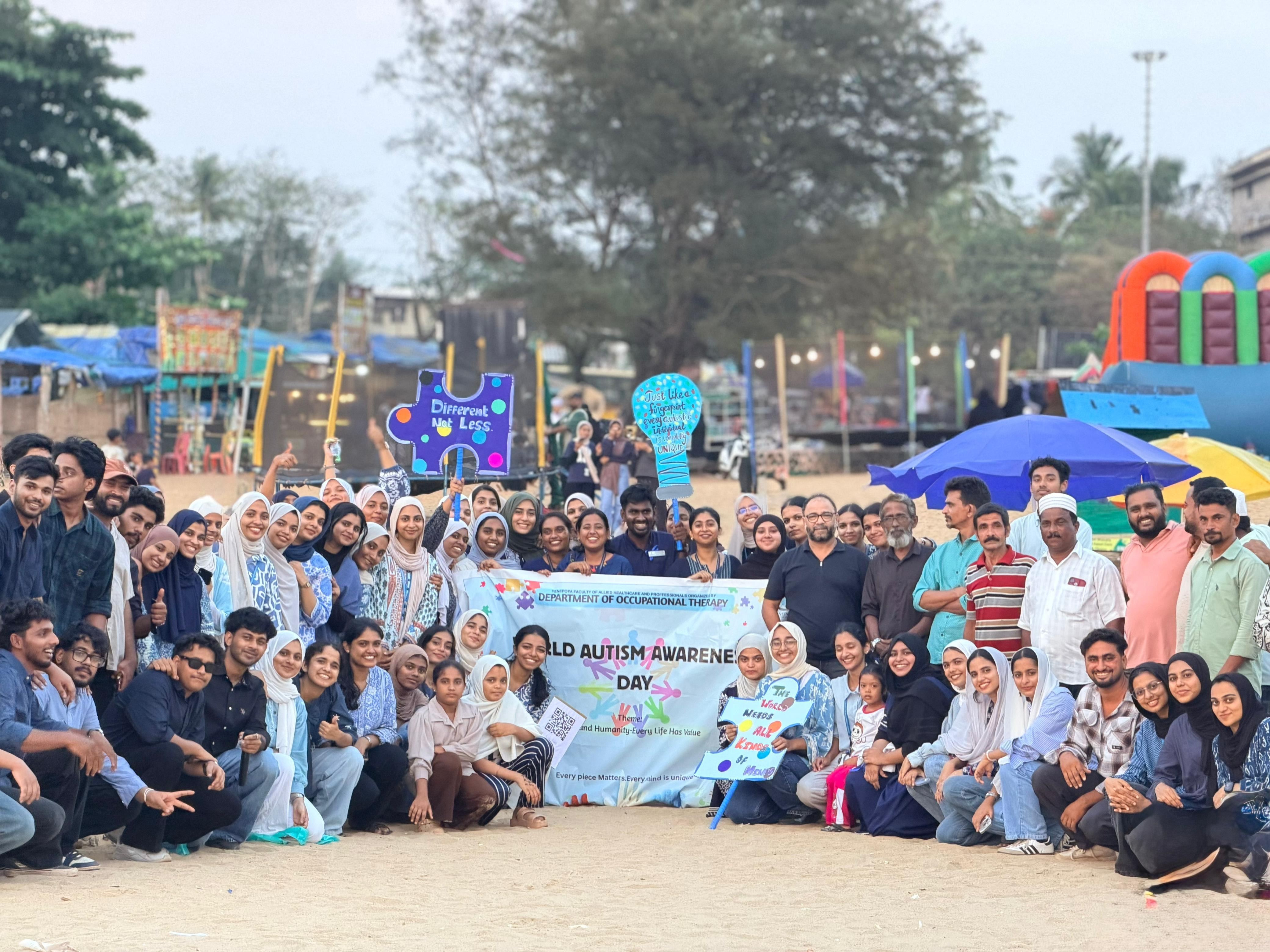
Mangaluru: The Department of Occupational Therapy at Yenepoya (Deemed to be University) conducted a community-based Autism Awareness Campaign at Fiza Mall and Ullal Beach in the city.
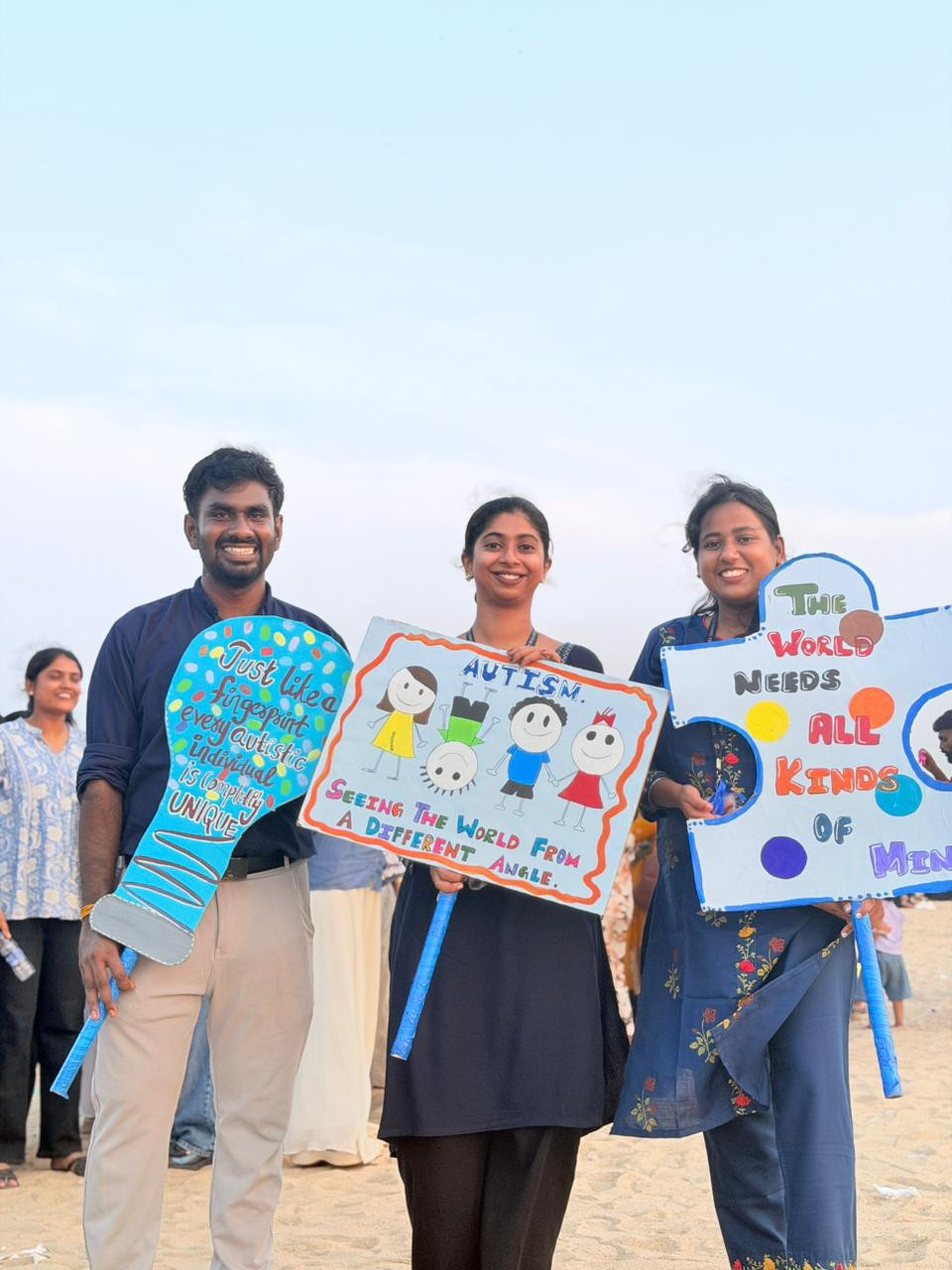
The campaign was aimed at promoting awareness, inclusion, and early identification of autism, in line with the global theme, “Autism and Humanity – Every Life Has Value.”
The programme was led by Dr. Dhayanithi K and Dr. Ananya Jana as organising chairpersons, with Dr. Anas, Dr. Amanda S. Phillip, and Dr. Ansu V. David served as organising members.
Students of the Bachelor of Occupational Therapy (BOT) programme participated in conducting the campaign.
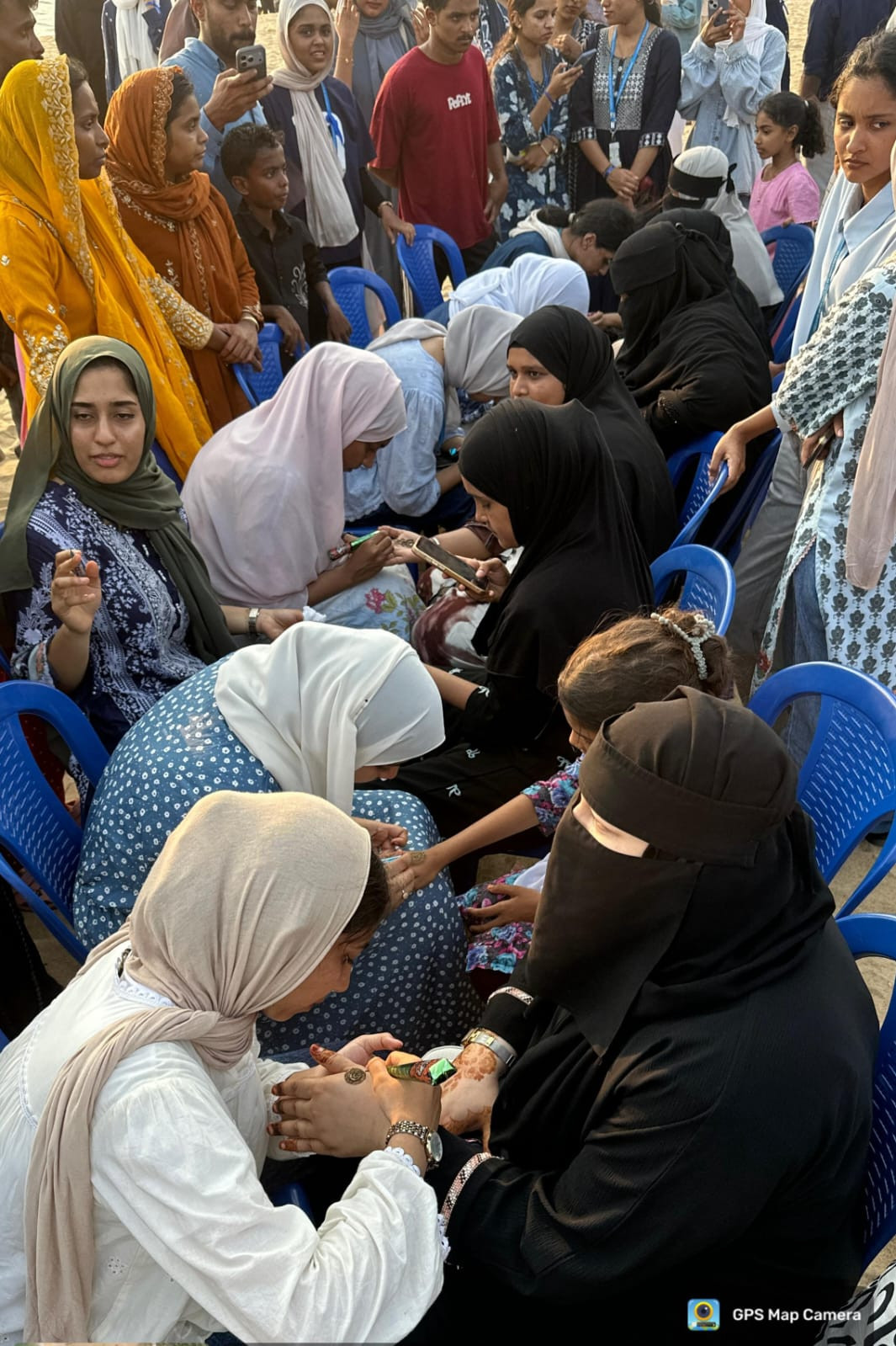
The event included activities such as flash mobs, street plays, face painting, mehendi, and direct interaction with the public.
These activities focused on highlighting early signs of autism, the need for early intervention, and the importance of inclusion and acceptance of individuals with autism.
The campaign reached around 300 to 500 members of the public. It also provided students with practical exposure to community-based rehabilitation and public health education.
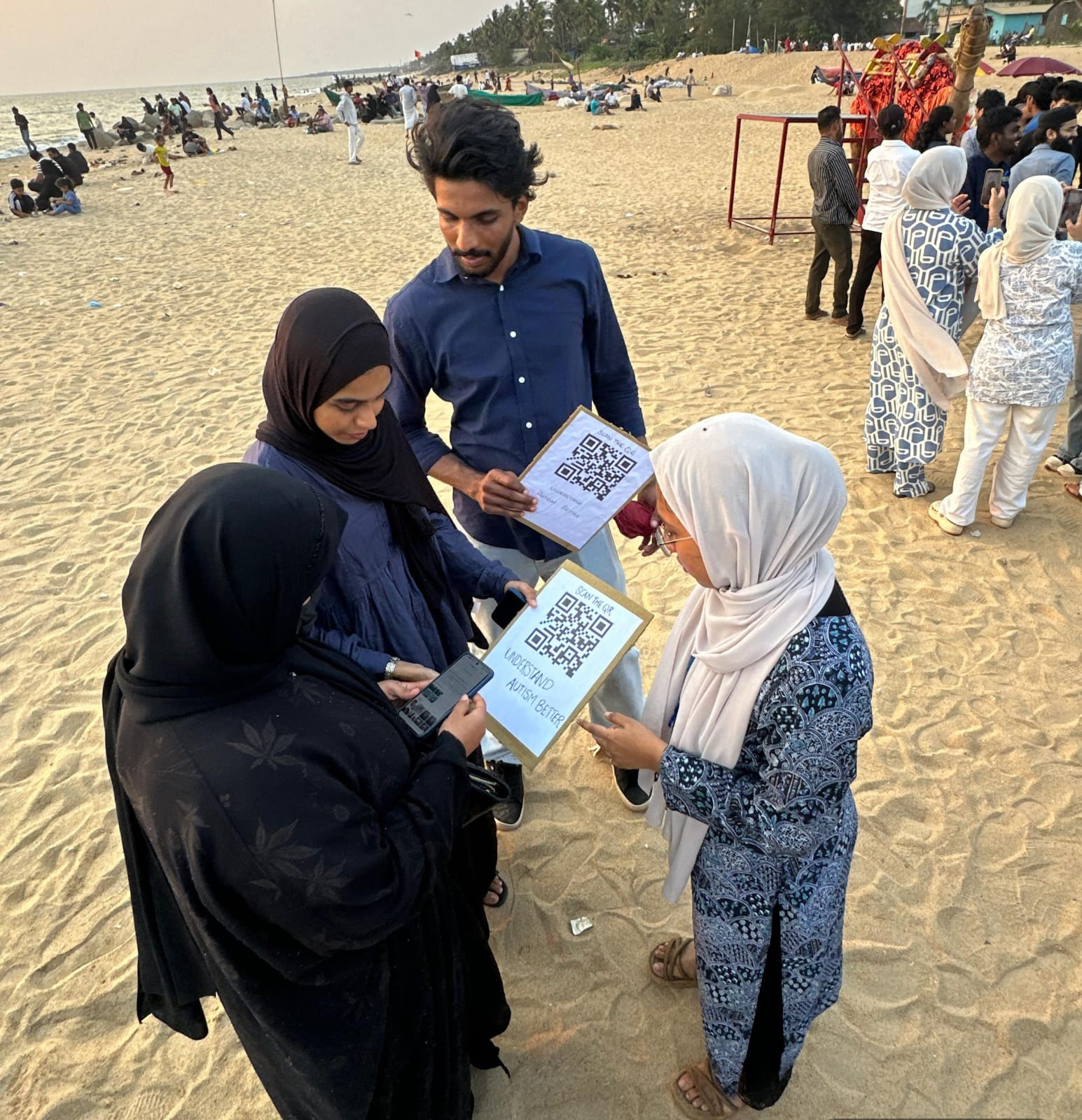
As part of the initiative, QR-based digital resources were introduced to help the public access reliable information on autism.
“Awareness is the first step towards inclusion, and early intervention can significantly improve outcomes,” the organising team said.
The department thanked the university for its support in organising the campaign. It also acknowledged the cooperation of the management of Fiza Mall and the Ullal Beach Police Department in facilitating the event.