Taliban: Women can study in gender-segregated universities
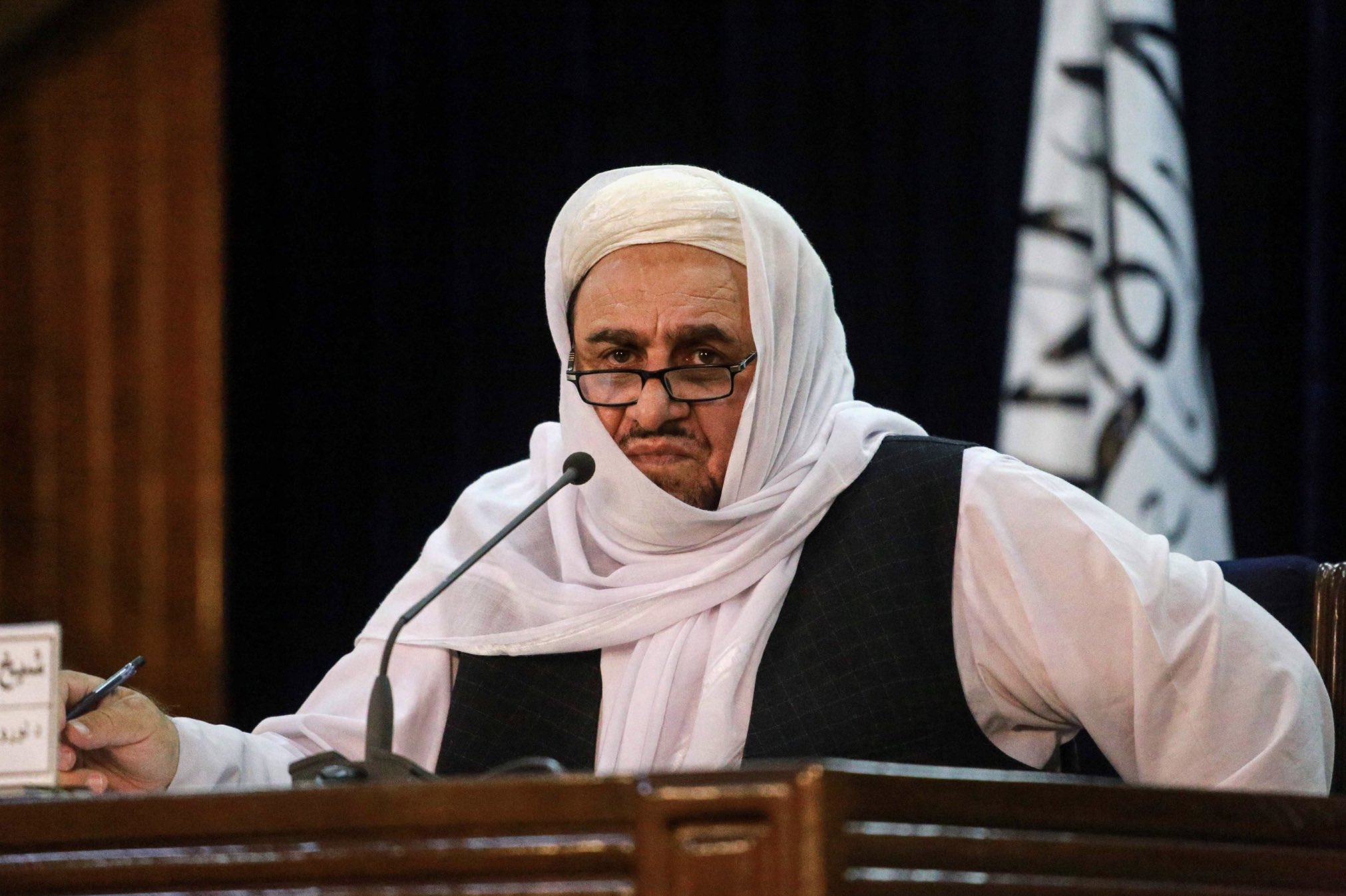
Kabul, Sep 12: Women in Afghanistan can continue to study in universities, including at post-graduate levels, but classrooms will be gender-segregated and Islamic dress is compulsory, the Taliban government's new higher education minister said Sunday.
The minister, Abdul Baqi Haqqani, laid out the new policies at a news conference, several days after Afghanistan's new rulers formed an all-male government. On Saturday, the Taliban had raised their flag over the presidential palace, signaling the start of the work of the new government.
The world has been watching closely to see to what extent the Taliban might act differently from their first time in power, in the late 1990s. During that era, girls and women were denied an education, and were excluded from public life.
The Taliban have suggested they have changed, including in their attitudes toward women. However, women have been banned from sports and the Taliban have used violence in recent days against women protesters demanding equal rights.
Haqqani said the Taliban did not want to turn the clock back 20 years. We will start building on what exists today, he said.
However, female university students will face restrictions, including a compulsory dress code. Haqqani said hijabs will be mandatory but did not specify if this meant compulsory headscarves or also compulsory face coverings.
Gender segregation will also be enforced, he said. We will not allow boys and girls to study together, he said. We will not allow co-education.
Haqqani said the subjects being taught would also be reviewed. While he did not elaborate, he said he wanted graduates of Afghanistan's universities to be competitive with university graduates in the region and the rest of the world.
The Taliban, who subscribe to a strict interpretation of Islam, banned music and art during their previous time in power. This time around television has remained and news channels still show women presenters, but the Taliban messaging has been erratic.
In an interview on Afghanistan's popular TOLO News, Taliban spokesman Syed Zekrullah Hashmi said last week that women should give birth and raise children. While the Taliban have not ruled out the eventual participation of women in government, the spokesman said it's not necessary that women be in the Cabinet.
The Taliban seized power on Aug. 15, the day they overran the capital of Kabul after capturing outlying provinces in a rapid military campaign. They initially promised inclusiveness and a general amnesty for their former opponents, but many Afghans remain deeply fearful of the new rulers.
Taliban police officials have beaten Afghan journalists, violently dispersed women's protests and formed an all-male government despite saying initially they would invite broader representation.
The new higher education policy signals a change from the accepted practice before the Taliban takeover. Universities were co-ed, with men and women studying side by side, and female students did not have to abide by a dress code. However, the vast majority of female university students opted to wear headscarves in line with tradition.
In elementary and high schools, boys and girls were taught separately, even before the Taliban came to power. In high schools, girls had to wear tunics reaching to their knees and white headscarves, and jeans, makeup and jewelry were not permitted.
Meanwhile, the Taliban's new government faces enormous economic challenges with near daily warnings of an impending economic meltdown and a humanitarian crisis. The United Nations warns it could drive 97% of Afghans below the poverty level by the end of the year.
Thousands of desperate Afghans wait daily outside Afghanistan's banks for hours to withdraw the 200 weekly allotment. In recent days, the Taliban appear to have been trying to establish an organized system for allowing customers to withdraw funds but it rapidly deteriorates into stick waving as crowds surge toward the bank gates.
Outside the New Kabul Bank, Afghanistan's first private bank established in 2004, nearly 2,000 people demanded their money Sunday.
For Zaidullah Mashwani, Sunday was the third day he had come to the bank hoping to get his 200. Each night the Taliban make a list of eligible customers the next day and each morning Mashwani said a whole new list is presented.
This is our money. The people have the right to have it, he said. No one has money. The Taliban government needs to do something so we can get our money.
Let the Truth be known. If you read VB and like VB, please be a VB Supporter and Help us deliver the Truth to one and all.
Allahabad HC orders probe into 'reinstatement' of teacher in UP's Barabanki
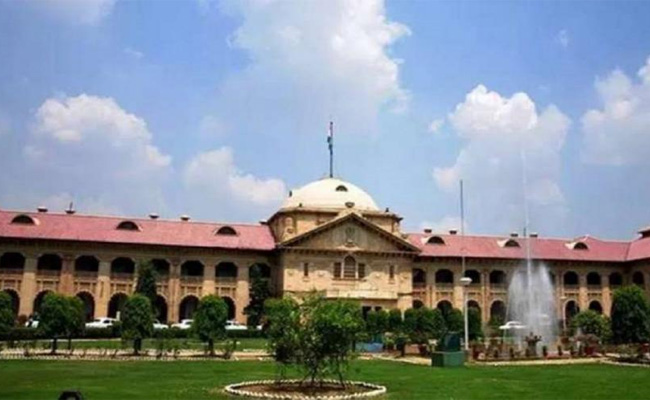
Lucknow (PTI): The Lucknow Bench of the Allahabad High Court on Friday ordered a probe by the special task force (STF) into alleged irregularities in the rejoining of a teacher at City Intermediate College in Barabanki, observing that the reinstatement appeared to be prima facie illegal.
The court also directed the recovery of the salary paid to the teacher during the disputed period.
A bench of Justice Rajeev Singh passed the order on a petition filed by the college management committee. The court expressed doubts over the roles of the District Inspector of Schools (DIOS), Barabanki, the college principal and the teacher concerned and hence, directed a detailed inquiry into the matter.
Taking note of alleged manipulation of records and misleading submissions, the court ordered the immediate transfer of the Barabanki DIOS to ensure a fair probe. It also directed the initiation of disciplinary proceedings against the then joint director of education of the Ayodhya division.
In its order, the court found that the teacher, Abhay Kumar, was initially appointed as an assistant teacher in 2018 but joined an Eklavya Model Residential School in Chhattisgarh as a lecturer in June 2024 without obtaining permission from the management. His subsequent request to retain the lien was rejected.
Despite this, he was allowed to rejoin the Barabanki College in September 2025 on the directions of the joint director of education and the DIOS, and was even paid the salary for October 2025. The court termed the rejoining "wholly illegal" and lacking any legal basis.
The bench also expressed concern over lapses in communication within the education department and directed the Uttar Pradesh chief secretary to ensure that official orders are communicated through email and WhatsApp as well, to prevent disputes.
The matter is next listed for hearing on May 28 when a compliance report is sought.