Terrorism one of gravest threats to humanity: Jaishankar at UN meet
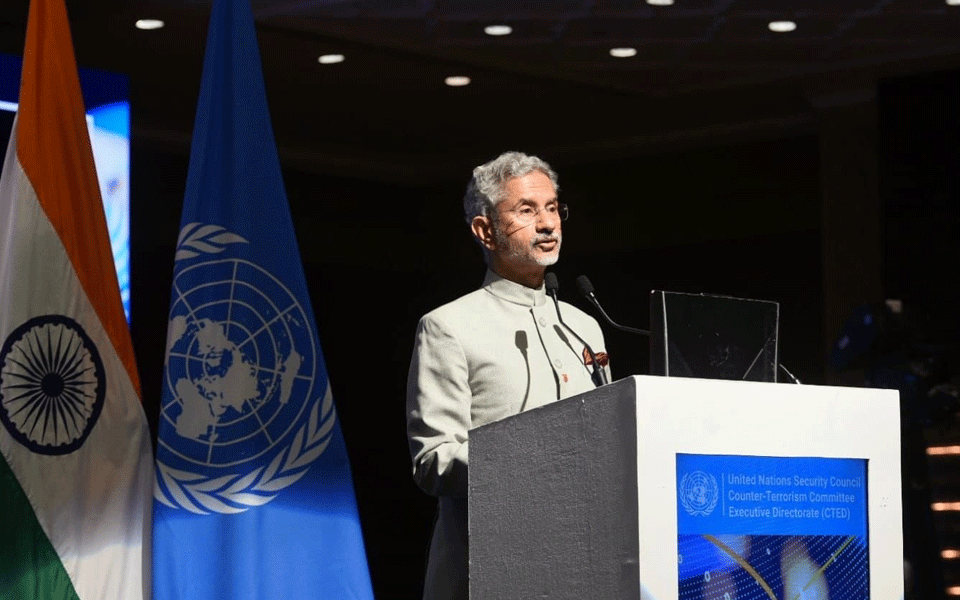
New Delhi (PTI): The counter-terror sanction regime of the United Nations has been effective to put countries on notice that turned terrorism into a state-funded enterprise, External Affairs Minister S Jaishankar said on Saturday, in an apparent reference to Pakistan.
In an address at the meeting of the UN Security Council Counter-Terrorism Committee in Delhi, Jaishankar described terrorism as "one of the gravest threats" to humanity.
He said despite efforts by the UN, the threat of terrorism is only growing and expanding, particularly in Asia and Africa.
"The UN Security Council, in the past two decades, has evolved an important architecture, built primarily around the counter-terrorism sanctions regime, to combat this menace," he said.
"This has been very effective in putting those countries on notice that had turned terrorism into a state-funded enterprise," Jaishankar said.
"Despite this, the threat of terrorism is only growing and expanding, particularly in Asia and Africa, as successive reports of the 1267 Sanctions Committee Monitoring Reports have highlighted," he added.
The minister said the ethos of open societies is being used to attack freedom, tolerance and progress.
He also spoke extensively on the use of new technologies by terror groups, saying the internet and social media platforms have turned into potent instruments in the "toolkit of terrorists and militant groups
"In recent years, terrorist groups, their ideological fellow travellers, particularly in open and liberal societies, and 'lone wolf' attackers have significantly enhanced their capabilities by gaining access to these technologies," Jaishankar said.
"They use technology and money, and most importantly the ethos of open societies, to attack freedom, tolerance and progress," he said.
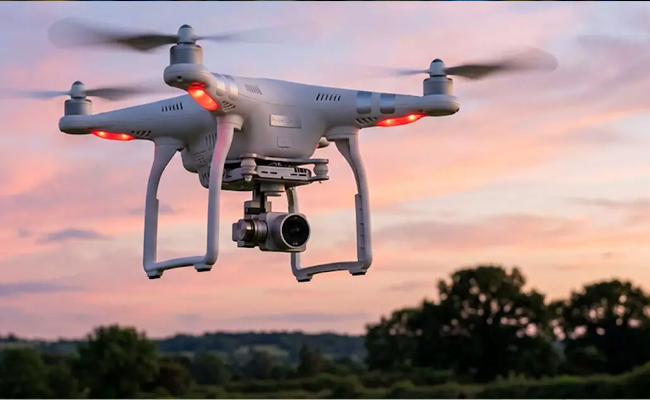
Jaishankar said another "add-on" to the existing worries for governments around the world is the use of unmanned aerial systems by terrorist groups and organised criminal networks.
"The possibilities of using weaponised drones for terrorist purposes against strategic, infrastructure and commercial assets call for serious attention by the member states," he said.
Let the Truth be known. If you read VB and like VB, please be a VB Supporter and Help us deliver the Truth to one and all.
CM Siddaramaiah alleges ‘criminal conspiracy’ in Sringeri recount, vows legal action
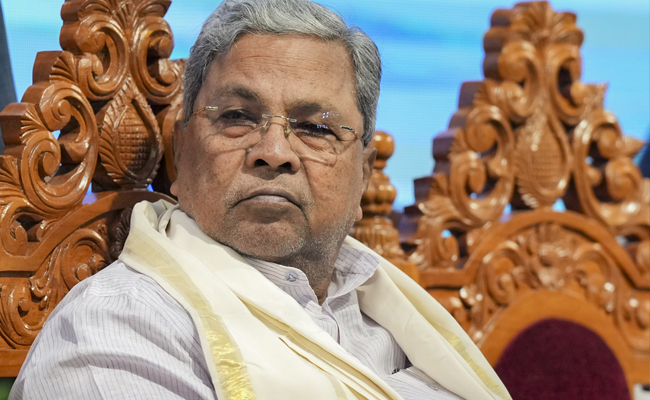
Bengaluru (PTI): Alleging a “criminal conspiracy” by BJP candidate D N Jeevaraj in the Sringeri Assembly poll recounting, Karnataka CM Siddaramaiah on Tuesday said the outcome was manipulated after valid postal ballot votes in favour of Congress leader T D Raje Gowda were tampered with during the recounting process.
Following a Karnataka High Court order on an election petition filed by Jeevaraj, challenging Raje Gowda’s election, the reverification and recounting were conducted on Saturday.
After the reverification and recount of postal ballots for the Sringeri Assembly constituency, votes polled in favour of Raje Gowda were reduced by 255, the returning officer said.
A report on the matter has been submitted to the Election Commission of India for further action, the officer added.
Congress leader Raje Gowda had won the 2023 Assembly polls from Sringeri by 201 votes, defeating his nearest rival Jeevaraj.
Addressing a press conference in Bengaluru, Siddaramaiah said the High Court had directed the recounting of postal ballots and that irregularities were noticed during the exercise conducted on May 2.
“This is a clear case of criminal conspiracy,” Siddaramaiah said, alleging that valid votes cast in favour of Raje Gowda were altered after being accepted by counting agents of all parties, including Congress, BJP, and JD(S).
He claimed that during the recounting of postal ballots, 255 votes were initially accepted as valid by all agents but were later tampered with by subordinate officials.
“There is a second mark on the votes polled in favour of Raje Gowda. They had accepted these as valid votes. Subsequently, another mark was made by officials. This is a clear case of criminal conspiracy,” he said.
When asked who was behind the alleged conspiracy, the CM replied, “It was hatched by Jeevaraj and others. It is planned.”
Siddaramaiah further alleged that the returning officer acted improperly by declaring the result despite the presence of an Election Commission observer during the recounting.
“Immediately after the counting, the returning officer announced the result. He should not have done so; this is against the law,” he said.
He pointed out that Raje Gowda had originally won by 201 votes, but after the recounting, the BJP candidate was declared the winner by 52 votes.
“The BJP has committed a criminal act of conspiracy. This is not vote chori but vote dacoity,” he alleged.
The CM said a police complaint had already been filed by Raje Gowda’s election agent, Sudhir Kumar, and emphasised the need for electoral integrity.
“We want transparency and free and fair elections. That is what our Constitution mandates,” he added.
Stating that the government would pursue legal remedies, Siddaramaiah said, “We are preparing an appeal challenging the returning officer’s announcement in a court of law.”
Responding to a separate query on elections in other states, the CM said there appeared to be an anti-incumbency factor in West Bengal, while results in Tamil Nadu were “surprising,” adding that Vijay’s party was emerging as the largest there.
Following the victory of party candidates in Bagalkote and Davanagere South, Siddaramaiah expressed confidence about future electoral prospects in Karnataka.
“Even in 2028, we will win the Assembly elections. We will come back,” the CM said.
Siddaramaiah added that he would order a forensic examination into the alleged tampering of postal ballots.