Thailand PM fined for not wearing face mask; Indians not allowed to visit country from May 1
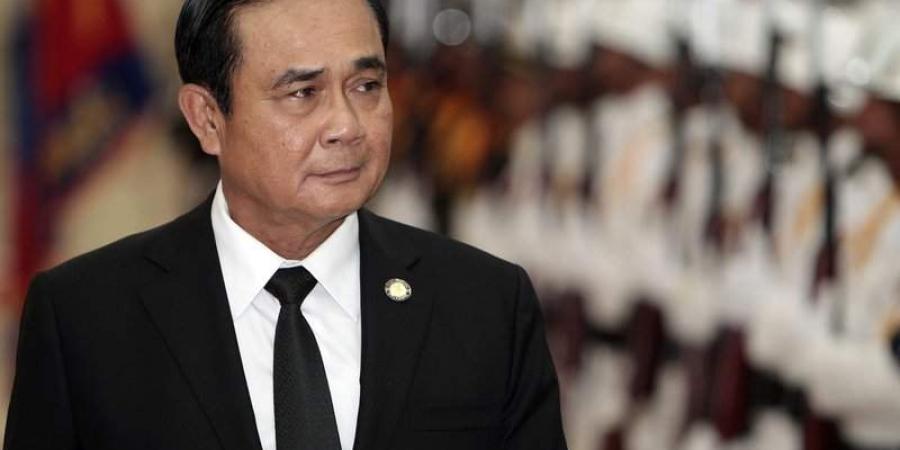
Bangkok, Apr 26: Thailand Prime Minister Gen. Prayut Chan-o-cha was fined 6,000 baht (Rs 14,270) on Monday for not wearing a mask, as his government struggled to combat a new wave of coronavirus cases in the country.
Thailand, which has barred the entry of travellers from India, with the exception of Thai citizens, from May 1, on Monday announced 2,048 new infections and eight new deaths, the fourth consecutive day with over 2,000 new COVID-19 cases.
Gen. Prayut was fined as he did not wear a mask during a meeting with his vaccine procurement advisers on Monday, the Bangkok Post reported.
The Thai capital Bangkok has made mask-wearing compulsory from Monday.
Thai officials are imposing fines of up to 20,000 baht (Rs 47,610) on people who fail to wear face masks in public in 48 provinces, as the government in struggled to cope with a new wave of coronavirus cases that is straining the country's medical system.
Bangkok Governor Aswin Kwanmuang posted on Facebook on Monday that he had filed a complaint against the prime minister with the police.
City officials swing into action after social media criticised the Prime Minister. His Facebook page showed him sitting with his face unprotected at the head of a meeting table while everyone else was wearing a mask.
In his Facebook post in the afternoon, Police General Aswin wrote Gen Prayut had asked him to check whether he had done wrong.
I told him he had violated a Bangkok Metropolitan Administration announcement, which requires everyone in the capital to wear a mask at all times while outside his or her home or residence. Violation results in a fine up to 20,000 baht under Section 51 of the 2015 Disease Control Act, he wrote.
Since investigators may determine the fine for the offence based on a fining regulation, Gen Prayut was asked to pay 6,000 baht, the Bangkok Post reported.
Meanwhile, Thailand will close its border to travellers from India, with the exception of Thai citizens, from Saturday, the Thai embassy in New Delhi announced on Sunday.
The embassy said it will not issue certificates of entry for non-Thai nationals until further notice. From May 1, only Thai nationals will be able to enter Thailand from India, the mission announced on Sunday.
"The issuance of Certificate of Entry (COEs) for non-Thai nationals who will be arriving in Thailand from India from 1 May 2021 onwards will be suspended until further notice," the embassy said in a press release.
"Therefore, the Embassy will not accommodate non-Thai nationals on the flights on 1, 15 and 22 May 2021," it said.
Thailand has reported a total of 57,508 COVID-19 cases and 148 deaths.
Let the Truth be known. If you read VB and like VB, please be a VB Supporter and Help us deliver the Truth to one and all.
Double-decker electric bus gutted in fire at Kurla BEST depot
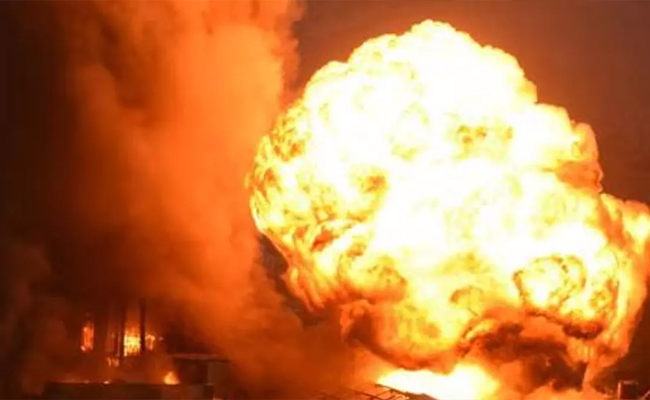
Mumbai (PTI): An empty double-decker electric bus was gutted in a fire during servicing at a BEST depot in Mumbai's Kurla area on Sunday, officials said, adding that nobody was injured.
The blaze broke out inside the Kurla BEST bus depot near Kanakia Building at 4.14 pm, according to preliminary information from the Mumbai Fire Brigade.
The parked bus was unoccupied at the time of the incident.
Fire brigade personnel rushed to the spot and brought the blaze under control. The exact cause of the fire was yet to be ascertained, they said.
No injuries were reported in the incident, officials added.
The Brihanmumbai Electricity Supply and Transport (BEST) Undertaking has hired 50 electric double-decker buses from Switch Mobility in its fleet of around 2,700 buses.