Third Canadian detained in China: report
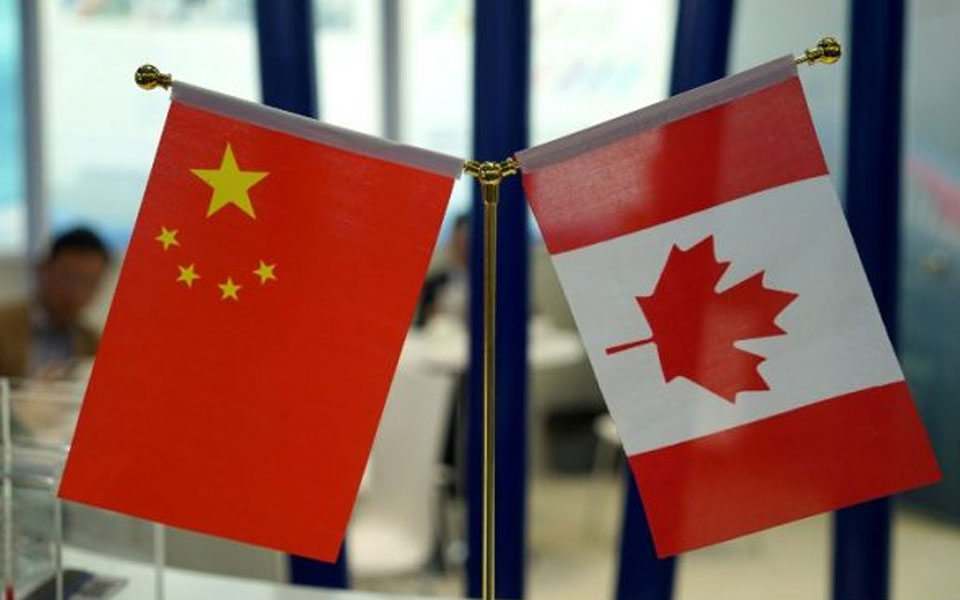
Beijing, Dec 19 : A third Canadian citizen has been detained in China, a Canadian newspaper reported Wednesday, amid a diplomatic spat between Beijing and Ottawa over the arrest of a Chinese telecom executive.
Canada's foreign ministry said it was "aware of a Canadian citizen" having been detained, according to the National Post, which cited a ministry spokesperson.
The spokesperson did not provide further details and did not suggest that the detention was linked to the arrest of Huawei chief financial officer Meng Wanzhou, the report said.
Chinese foreign ministry spokeswoman Hua Chunying told a regular press briefing that she had "not heard" about the reported detention.
The recent detentions of two Canadians has raised suspicions that Beijing is holding them in retaliation for Meng's December 1 arrest, though no link has officially been made between the cases.
Meng was released on bail last week in Vancouver pending a US extradition hearing on US fraud charges related to sanctions-breaking business dealings with Iran.
China has accused the other detainees -- former Canadian diplomat Michael Kovrig and China-based business consultant Michael Spavor -- of activities "that endanger China's national security".
They were both detained on December 10.
Kovrig is a Hong Kong-based senior adviser at the International Crisis Group think tank, while Spavor facilitates trips to North Korea and helped former NBA star Dennis Rodman travel to the neighbouring country.
Beijing has threatened Canada with "grave consequences" if Meng is not freed and Chinese state-run media has lashed out at the arrest, saying it was politically motivated.
Let the Truth be known. If you read VB and like VB, please be a VB Supporter and Help us deliver the Truth to one and all.
Man arrested with Rs 2.54-crore heroin in Mumbai

Mumbai (PTI): Police have arrested a man and seized over 500 grams of heroin worth Rs 2.54 crore in the illicit market from him in Mumbai, officials said on Friday.
The police's Anti-Narcotics Cell (ANC) made the drug seizure in Santacruz in the western suburbs. The operation was conducted by the Kandivali unit of the ANC on Thursday as part of a special crackdown against drug trafficking in the area, they said.
Acting on specific inputs, an ANC team conducted a raid in Santacruz (East) and intercepted a man. During a search, the team recovered 508 grams of high-grade heroin from his possession, an official said.
The seized contraband, a highly addictive, opioid drug derived from morphine, is estimated to be worth Rs 2.54 crore in the international market, he informed.
Following the seizure, a case was registered against the man under relevant sections of the Narcotic Drugs and Psychotropic Substances (NDPS) Act, 1985, and he was formally placed under arrest in the early hours of Friday.
The police are currently investigating the source of the drug and trying to identify the intended recipients of the consignment, he said.