Trump announces plan to cap credit card interest rates at 10% for one year

Washington: US President Donald Trump on Friday announced plans to cap credit card interest rates at 10% for a period of one year, saying the move is aimed at easing affordability concerns for American consumers, The Times of India reported.
In a post on his Truth Social platform, Trump said credit card companies would no longer be allowed to charge interest rates of 20% to 30% or higher. He also criticised the previous Joe Biden administration for not checking high interest rates in recent years.
"Please be informed that we will no longer let the American public be “ripped off” by Credit Card Companies that are charging Interest Rates of 20 to 30%, and even more, which festered unimpeded during the Sleepy Joe Biden Administration. AFFORDABILITY!"
According to Trump, the proposed cap would come into effect from January 20, 2026, and remain in place for one year. The date marks the first anniversary of his return to the White House as US president.
"Effective January 20, 2026, I, as President of the United States, am calling for a one-year cap on Credit Card Interest Rates of 10%," he said. He further wrote, "coincidentally, the January 20th date will coincide with the one-year anniversary of the historic and very successful Trump Administration."
The announcement comes as the Trump administration pushes measures aimed at easing financial pressure on American consumers. Earlier, the US government said it would purchase nearly $200 billion worth of mortgage-backed securities, a move officials said was intended to help bring down mortgage rates amid ongoing housing affordability concerns.
Let the Truth be known. If you read VB and like VB, please be a VB Supporter and Help us deliver the Truth to one and all.
Remarks against St Francis Xavier: Right-wing speaker Gautam Khattar gets bail
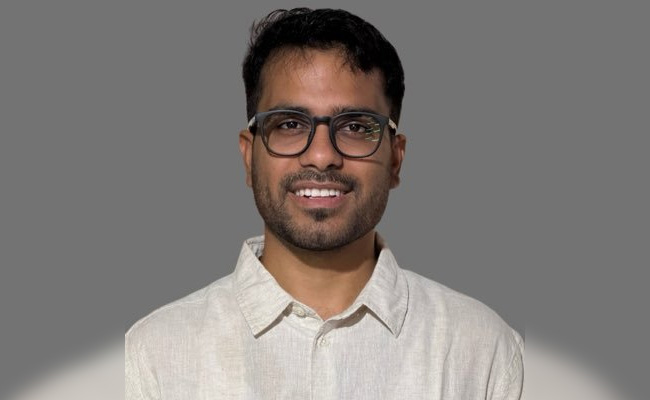
Panaji (PTI): A court in Goa on Saturday granted bail to right-wing speaker Gautam Khattar, who was arrested after he allegedly made derogatory comments against St Francis Xavier.
Judicial Magistrate First Class, Vasco, granted regular bail to Khattar, currently admitted to Goa Medical College and Hospital at Bambolim for treatment of chest pain after he was shifted from the District Hospital in Mapusa two days back.
A row erupted after a video of remarks by Khattar, the founder of Sanatan Mahasangh, at an event on April 18 in the presence of Swami Brahmeshanand, State Transport Minister Mauvin Godinho and BJP MLAs Sankulp Amonkar and Daji (Krishna) Salkar, went viral.
St Francis Xavier is revered as the patron saint of Goa.
The controversial remarks led to the Vasco Police registering an FIR against Khattar on charges of hurting religious sentiments and creating enmity between groups.
He was detained in Kullu, Himachal Pradesh, by local police. His custody was later handed over to the Goa Crime Branch, according to officials.